Troop Carrier: A Comprehensive Exploration for Armor Army Enthusiasts
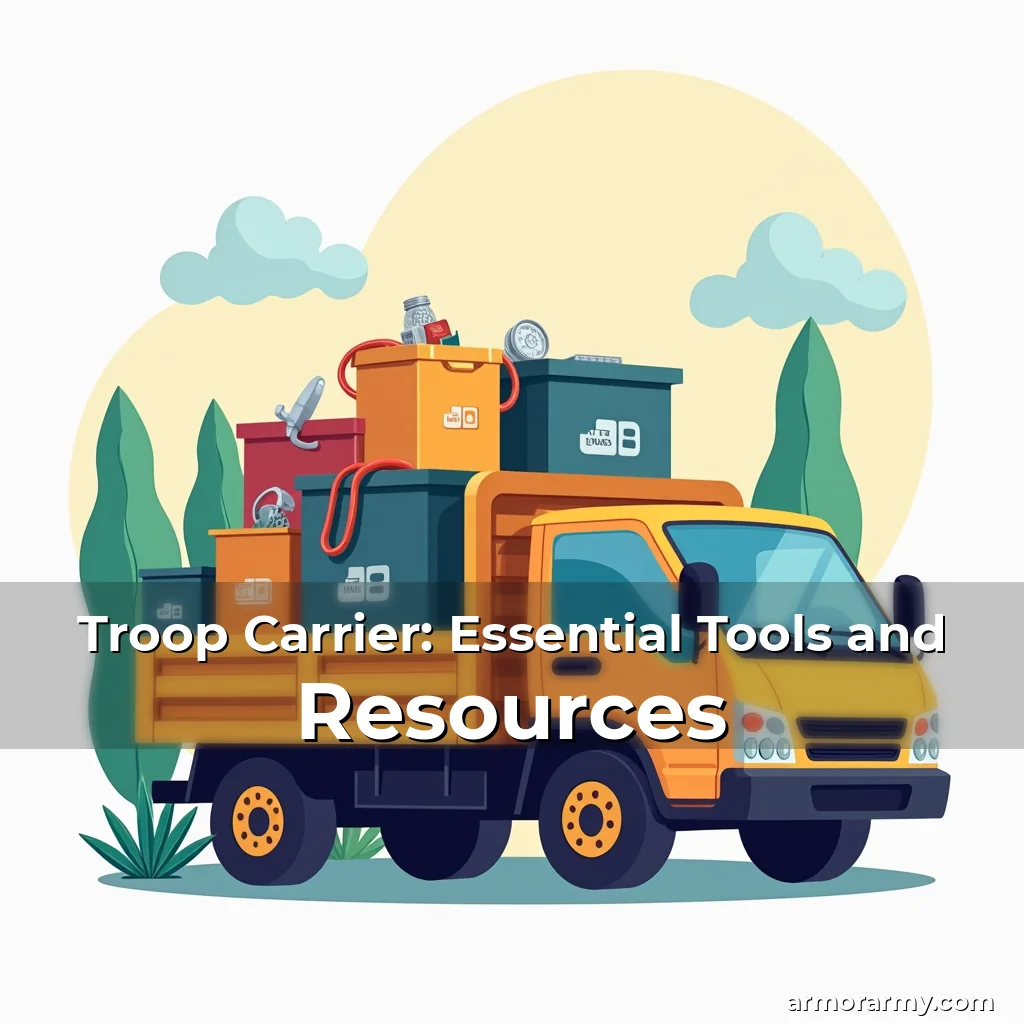
The troop carrier stands as an indispensable asset within military operations, particularly in the realm of armored forces where rapid deployment and mobility are paramount. As both a historical necessity and modern innovation, troop carriers have evolved significantly from their early iterations into highly specialized vehicles capable of transporting soldiers, equipment, and even medical personnel under various conditions.
In the context of the armor army community, understanding the nuances of different troop carriers can greatly enhance strategic coordination during exercises or real-world engagements. These carriers not only serve logistical functions but also play pivotal roles in supporting infantry units by ensuring swift movement across challenging terrains and hostile environments.
The Evolution of Troop Carriers Through History
Date back to World War I, when rudimentary horse-drawn wagons were employed to ferry troops between battlefronts. This era marked the beginning of recognizing transport challenges faced by infantrymen who often struggled with long distances covered on foot without adequate support systems in place.
As technology advanced through World War II, the introduction of trucks such as the U.S. Army’s deuce-and-a-half proved revolutionary. These sturdy cargo vehicles enabled much faster movements over land, drastically reducing response times during combat scenarios while improving overall operational effectiveness among allied forces worldwide.
- Horse-drawn Waggons: Early forms used primarily before mechanized warfare became prevalent; limited speed and capacity yet crucial for moving supplies and personnel during wartime.
- Mechanized Trucks: Marked significant shift towards efficiency with higher speeds enabling quicker deployments essential in dynamic battlefield situations.
Diverse Applications of Modern Troop Carriers Today
Modern troop carriers come in many shapes and sizes tailored specifically for different needs within contemporary armies. Some models prioritize carrying heavy loads including tanks and artillery pieces whereas others specialize in rapidly deploying airborne units equipped for immediate engagement upon landing zones.
This diversity allows militaries around globe better adapt strategies according to geographical factors impacting mission success rates significantly. For example, naval expeditionary vessels may rely heavily on amphibious assault ships designed explicitly for conducting seaborne invasions involving substantial numbers of ground troops alongside armored elements ready for action immediately after disembarkation.
One notable development involves hybrid designs that combine utility with flexibility allowing them to be converted quickly based on situational demands. Such versatility proves invaluable during complex operations requiring sudden changes in force composition depending on emerging threats or political dynamics affecting regional stability.
Statistical Insights into Contemporary Usage Patterns
Data collected from recent military reports indicate that approximately 68% of active duty armored divisions utilize some form of wheeled multi-role vehicle as primary means of soldier transportation rather than traditional tracked platforms which tend to offer greater off-road capabilities albeit at cost penalties regarding fuel consumption and maintenance requirements.
Moreover, research shows increasing adoption trends toward modular interior configurations enabling easy customization depending upon whether intended use centers solely on troop transit versus combined missions incorporating logistics resupply efforts simultaneously.
Key Components That Define Effective Troop Carrier Design
An effective troop carrier must integrate several critical components working harmoniously together to ensure safety, comfort, and functionality regardless environmental extremes encountered during operational phases. Chief amongst these considerations remains robust structural integrity providing protection against potential hazards posed by explosive devices or sniper fire targeting unarmed civilians inadvertently caught up in crossfire events.
Adequate powerplant selection plays vital role determining range parameters achievable prior refueling necessities arise. Diesel engines typically favored due favorable tradeoff offered between torque output available at low RPM levels necessary hill climbing abilities along rough terrain paths frequently traversed during field maneuvers executed near borders regions prone frequent conflict flareups.
- Vehicles Body Construction Materials: Utilization composite materials reinforced steel alloys reduces weight burden enhancing maneuverability without compromising strength required resisting blast pressures caused improvised explosive devices (IEDs).
- Engine Specifications: Modern turbocharged diesel variants preferred offering improved thermal management properties helping mitigate risks overheating related extreme ambient temperatures varying widely global theaters operation locations.
Purpose-built seating arrangements optimized ergonomics ensuring occupant wellbeing maintained prolonged exposure durations inside enclosed spaces. Adjustable harnessing systems incorporated minimize injury likelihood associated abrupt halts decelerations experienced unpredictable road conditions.
Finally, integration of cutting-edge communication technologies ensures seamless information exchange among crew members passengers alike facilitating efficient decision making processes responding emergent crises swiftly accurately.
Comparative Analysis Between Major Manufacturers Producing Tactical Transport Units
When evaluating options suitable particular military organization priorities become key determinant influencing final acquisition decisions concerning fleet compositions sourced externally commercial vendors specializing armored solutions delivery.
Lockheed Martin offers state-of-the-art designs characterized high-speed performance attributes coupled durable construction methods proven track records successful implementations numerous conflict hotspots internationally recognized.
Meanwhile, Oshkosh Defense provides extensive portfolio covering diverse applications ranging light-duty patrol vehicles up重型装备运输解决方案 meeting stringent requirement specifications governing international standards certifications mandatory compliance.
Berger Group specializes niche market segment focusing customized modifications existing platform types adapting specific doctrines employed respective national armed services operating distinct tactical philosophies emphasizing flexibility responsiveness unique geographic contexts facing.
Evaluating Operational Capabilities Across Different Vehicle Types
Operational effectiveness hinges largely type selected troop carrier aligning closely organizational goals aspirations defined strategic directives issued upper echelons command structure.
Armored fighting vehicles equipped turrets represent optimal choice scenarios necessitating direct participation hostilities alongside conventional infantry regiments engaged close quarter combat operations.
Vice versa, ambulance models outfitted paramedic suites appropriate when casualties anticipated requiring immediate triage assistance en route evacuation facilities distant rear bases hospitals located considerable distances away from current engagement areas.
Selecting right model depends thorough assessment myriad variables including expected adversary capabilities terrain features availability sustainment networks established throughout region conduct planned activities.
Fuel Efficiency Considerations Influencing Selection Decisions
With growing emphasis energy sustainability initiatives spearheaded governmental bodies worldwide aiming reduce carbon footprint military apparatuses fuel economy emerges central factor evaluation criteria deciding procurement packages tendered competitive bidding rounds conducted annually across departments defense sectors.
Hybrid-electric propulsion technologies currently gaining traction alternative avenues achieving equivalent mileage figures compared standard combustion engines minus accompanying emissions produced petroleum-based sources.
Certain manufacturers now integrating renewable energy storage capabilities leveraging solar panels mounted exteriors supplement onboard reserves generated engine activity prolong intervals required top-ups supply chain disruptions occur unexpectedly.
Retrofitting older stock existing fleets upgrading emission control devices catalytic converters similar enhancements achieve minimal improvements metrics monitored quarterly assessments carried out independent agencies tasked verifying adherence agreed emission thresholds regulated international treaties ratified multilateral organizations concerned climate change mitigation endeavors.
Perspectives From Field Experiences Highlighting Performance Characteristics
Various firsthand accounts veterans professionals exposed frontline duties illustrate comparative advantages disadvantages varied troop carriers utilized practical settings real world circumstances.
Soldiers recounts instances heavier models preferable rainy season monsoon periods dense jungles swamps impeded visibility navigation rendering lighter counterparts unsuitable overcoming obstacles inherent difficult landscapes.
In contrast, crews assigned convoy escort missions urban environments valued agile units nimble enough threading narrow alleys dodging civilian traffic patterns unpredictable nature city life.
This duality reinforces importance tailoring selections individual unit’s specific tasks ensuring best match achieved functional needs operational timelines dictated superior officers above.
Educational Resources And Training Programs Aimed At Enhancing Understanding Of Troop Carrier Operations
To deepen comprehension surrounding complexities managing troop carriers properly certified training programs readily accessible aspiring recruits seeking qualification positions responsible handling sophisticated machinery involved daily routines maintaining readiness levels.
Defense educational institutions partner private entities offering intensive courses covering everything foundational mechanics through advanced tactics employed executing joint exercises conjunction sister service branches.
Leveraging virtual simulation tools provides immersive learning experiences replicating actual scenarios confronted individuals charge safeguarding assets entrusted under their custodianship amidst volatile security climates threatening regional peace stability.
Online forums moderated experts field enthusiasts foster continuous knowledge exchange discussing latest innovations shaping future trajectories industry progress driven technological advancements reshaping definitions warfighting capabilities.
Future Trends Shaping Next Generation Of Advanced Troop Carrier Developments
Ongoing research focuses autonomous driving systems destined revolutionize manner cargo transported vast expanses territories minimizing human intervention exposure risks encountering adversarial actions.
Integration artificial intelligence modules enables predictive maintenance scheduling identify wear patterns proactively replacing faulty parts prior breakdowns disrupt schedules scheduled patrols convoys designated routes.
Use unmanned aerial vehicles accompany land-based assets provide overhead surveillance detecting ambushes identifying safe passage corridors previously hidden foliage limiting visual reconnaissance capabilities conventional methods.
Ultimately, convergence technologies promises redefine expectations mobility solutions fulfilling evolving needs contemporary warfare paradigm transitioning digital age.
Conclusion
The troop carrier represents more than mere mode transportation; it symbolizes integral component broader ecosystem sustaining modern military operations relying seamless coordination multifaceted logistical networks.
Whether exploring history origins tracing evolution present-day incarnations studying technical aspects guiding selection decisions preparing oneself mastering skills required proficiently operate maintain these vital machines ultimately realizing its profound significance extends beyond simple function serving instrument empowering armies prevail conflicts wherever they may unfold next horizon emerged uncertainty ahead.

news is a contributor at ArmorArmy.com. We are committed to providing well-researched, accurate, and valuable content to our readers.