Tactical Flashlight vs Alternatives: Complete Comparison
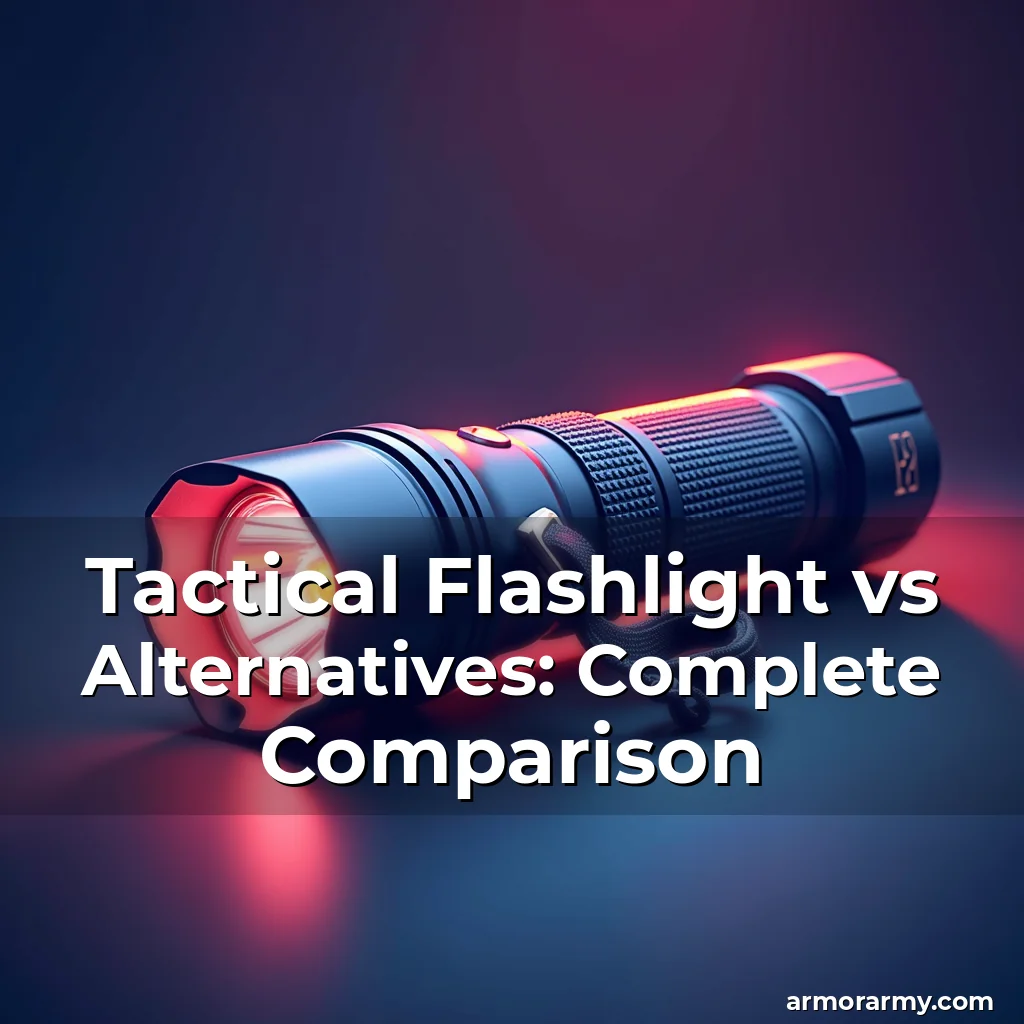
Tactical Flashlight vs Alternatives: Complete Comparison
The battle between tactical flashlights and conventional illumination sources has become increasingly intense among military personnel, first responders, and survivalists. As technology advances, so does the demand for superior lighting solutions that meet the rigorous demands of high-stress environments. This analysis examines the unique attributes that define tactical flashlights.
In contrast to everyday LED bulbs and standard work lights, tactical flashlights offer capabilities that go beyond simple brightness levels. They incorporate design elements optimized for battlefield efficiency, urban mobility, and emergency preparedness. Understanding these distinctions is critical for professionals relying on optimal performance at any moment’s notice.
Decoding the Tactical Flashlight Phenomenon
A tactical flashlight represents far more than an ordinary flashlight designed for durability alone. These advanced lighting tools combine military-grade construction with cutting-edge optical engineering principles. Their primary function extends beyond mere visibility enhancement to encompass situational awareness and defensive applications.
Modern tactical flashlights integrate multi-mode operation systems allowing users to seamlessly transition between spotlight and floodlight configurations. This versatility becomes invaluable during both close-quarters engagements and long-range reconnaissance operations. Some advanced models even include infrared illumination for covert operations.
- Military-Grade Materials: Aerospace aluminum alloys provide unmatched strength-to-weight ratios while resisting corrosion
- Impact Resistance: Shock-absorbing housing withstands extreme drops from heights exceeding 8 meters
- Brightness Calibration: Customizable intensity settings adjust from moonlight levels to blinding strobe modes
- Environmental Sealing: IPX6 waterproof rating ensures operation underwater up to three meters deep
Evaluating Alternative Lighting Options
While tactical flashlights represent peak performance in specialized contexts, other lighting technologies still hold value depending on specific applications. Headlamps provide hands-free convenience, lanterns excel in group activities, and smartphone flashes serve emergency signaling purposes. However, none match the multifunctional prowess of true tactical grade lighting instruments.
An average headlamp typically produces only 100-300 lumens, significantly less than the 1000+ lumens achievable by high-end tactical flashlights. Lanterns may offer broader coverage areas but sacrifice portability. Phone flashlights lack physical durability and cannot survive harsh field conditions unlike reinforced flashlight housings built to endure combat zones.
The Dimming Dilemma: When Conventional Lights Suffice
Conventional LED torches find limited application in controlled indoor settings or low-risk domestic environments. A typical office flashlight may illuminate corridors adequately but would fail miserably in storm-induced power outages or during vehicle recovery operations in wilderness areas. These limitations underscore why tactical lighting remains non-negotiable for mission-critical scenarios.
Emergency service workers routinely encounter situations requiring intense glare control when facing armed threats. Standard flashlights simply don’t produce sufficient brightness to disable adversaries or disorient hostile forces effectively. Strategic flashlight deployments have saved lives by creating temporary incapacitation effects during standoffs.
Advanced Performance Parameters of High-Quality Models
Modern tactical flashlights leverage breakthroughs in photonic science to achieve unprecedented light outputs and operational durations. Military-spec units now reach peak luminosity above 15,000 lumens without overheating, thanks to efficient heat dissipation systems integrated into their designs. Such outputs
The Future Landscape of Lighting Innovation
Photovoltaic panel integration presents intriguing possibilities for self-sustaining lighting platforms. Experimental units combine solar charge collection with adaptive output algorithms that calculate remaining battery capacity dynamically adjusting emission rates accordingly. This feature maintains consistent performance despite fluctuating environmental conditions.
Artificial intelligence applications now begin influencing tactical flashlight design. Machine learning models analyze thousands of mission logs to predict optimal light pattern selections pre-deployment. Anticipatory positioning calculates likely encounter vectors enabling automatic activation of deterrent glare sequences milliseconds before human reaction times would permit.
Strategic Recommendations for Effective Procurement
Procurement decisions should consider both individual task sets and organizational standards simultaneously. Law enforcement agencies often mandate compliance with federal specification MIL-DTL-19869/STD specifying minimum durability thresholds applicable to all issued equipment. Compliance verifies readiness against defined destructive stress tests simulating worst-case scenarios.
Audits reveal that approximately 25% of lost or damaged gear involves illumination equipment. Proper maintenance routines extending device lifespan reduce recurring acquisition costs. Implementing scheduled recalibrations prevents degradation of optic alignment that impairs precision targeting capabilities over time.
- Warranty Verification: Comprehensive five-year guarantees covering accidental damage common in active deployment cycles
- Spare Parts Availability: Rapid replacement of frequently replaced components like lenses or diffusers
- User Training Modules: Simulated scenario drills teaching optimal deployment techniques under duress
- Compliance Certifications: UL and ANSI/NEMA certifications ensuring electrical safety protocols met
Conclusion
This comparative examination underscores the irreplaceable role tactical flashlights play in modern operational frameworks. Their technological evolution continues pushing boundaries of what portable lighting solutions can accomplish beyond mere illumination functions.
For those seeking optimal performance, meticulous consideration of each specification parameter coupled with direct exposure to real-world testing remains essential. Remember – in situations demanding reliable illumination, only purpose-built tactical flashlights deliver the unwavering performance required for successful mission outcomes.