The Evolution and Role of Infantry Vehicles in Modern Warfare
In the ever-evolving landscape of military technology, infantry vehicles have emerged as pivotal assets that bridge the gap between traditional foot soldiers and heavily armored combat units. These specialized vehicles are designed not only to transport troops but also to provide them with protection, mobility, and firepower during operations.
Their importance has grown significantly over time, especially with advancements in both offensive and defensive technologies making battlefield conditions increasingly complex. As such, understanding what an infantry vehicle is and its various forms can offer crucial insights into how modern armies conduct their missions effectively.
What Exactly Is an Infantry Vehicle?
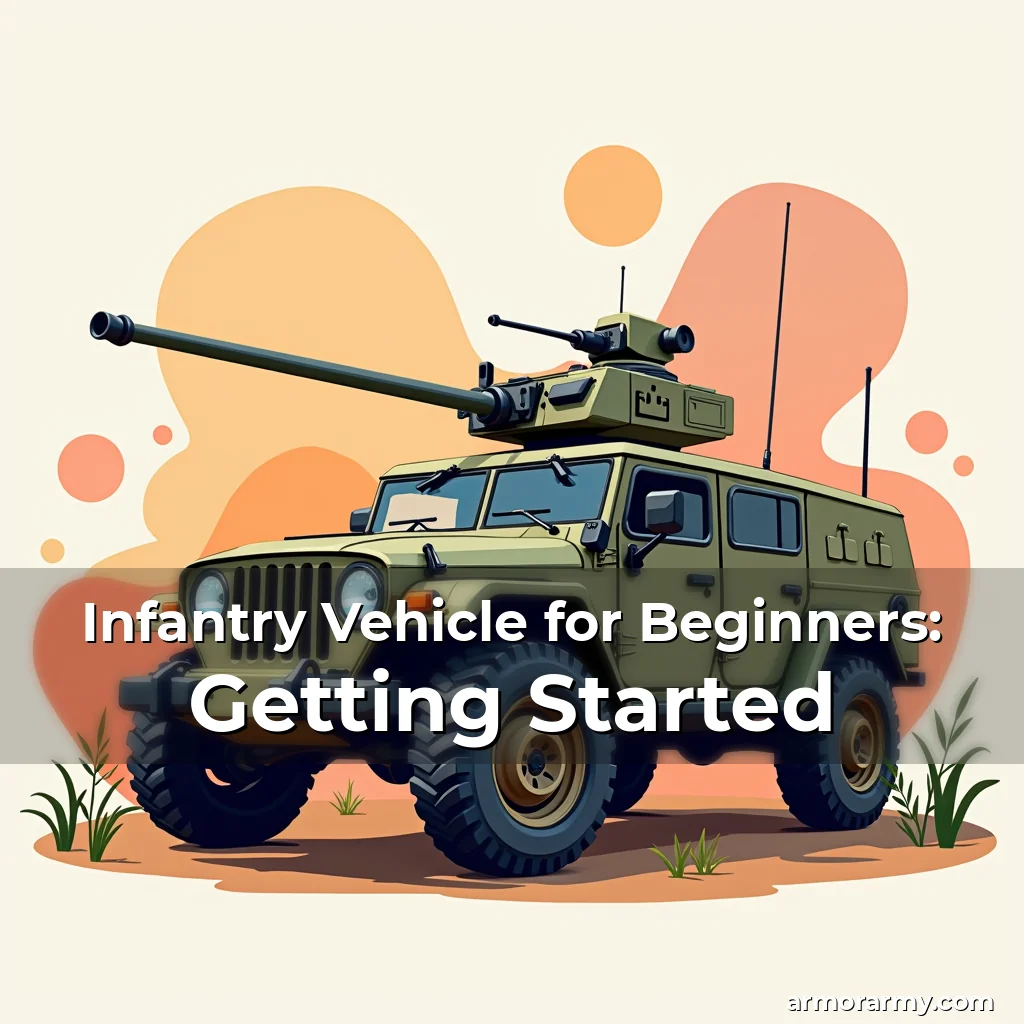
An infantry vehicle refers to any type of military vehicle primarily used by ground forces for transporting personnel, providing troop support, or offering mobile fire support. This category encompasses a wide range of vehicles from lightly armed scout cars to heavily fortified personnel carriers.
Different nations define and classify these vehicles based on their design specifications, armaments, and intended use cases within their respective militaries. For example, while some countries may categorize certain models under different names like APCs (Armored Personnel Carriers) or IFVs (Infantry Fighting Vehicles), they all serve similar core functions.
A defining characteristic of most infantry vehicles is their ability to traverse varied terrains efficiently while maintaining operational readiness even under adverse weather conditions. They often feature four-wheel drive systems along with reinforced suspensions capable of handling rough landscapes without compromising speed or agility.
Mobility remains paramount; hence many infantry vehicles incorporate advanced suspension mechanisms such as torsion bars or hydropneumatic systems which allow them to maintain stability across uneven surfaces at high speeds.
Protection capabilities vary depending upon whether the vehicle serves primarily as transport or combat platform roles. Lighter variants might offer minimal armor plating whereas heavier ones could include reactive armor packages and active defense systems against incoming projectiles.
Fighters fighting vehicles typically carry light weapons including machine guns mounted externally for crew members who need quick access during engagements whereas more robust designs integrate internal turrets equipped with medium caliber cannons suitable for direct engagement scenarios.
Some infantry vehicles are specifically engineered around amphibious requirements allowing them either floatation devices or water jet propulsion enabling full land-water transition abilities useful particularly during coastal assaults or river crossings.
- Crew Configuration: Most infantry vehicles accommodate crews ranging from two up through twelve individuals depending upon size and complexity level;
- Variants Based On Mission Requirements: There exists numerous subtypes tailored towards reconnaissance duties versus assault operations each having distinct features;
- Modular Design Philosophy: Many contemporary models embrace modularity allowing rapid reconfiguration according to mission needs ensuring versatility across diverse theatres;
- Advanced Electronics Integration: Incorporation of digital command controls navigation aids sensor suites enhances situational awareness critical during dynamic combat situations;
- Safety Features: Inclusion of blast-resistant seating compartments emergency ejection systems ensures occupant safety amidst explosive threats common nowadays.
Historical Context & Development Timeline
The concept behind using wheeled/track-based platforms for carrying soldiers dates back centuries though formalization began notably during World War I when trench warfare necessitated mechanized solutions to move men safely through hazardous environments.
Early examples included rudimentary trucks modified merely for troop transportation purposes lacking significant protective measures. However post-WWI technological progress led toward development dedicated purpose-built armored vehicles aimed explicitly at enhancing soldier survivability alongside mobility enhancements.
World War II marked turning point where infantry vehicles became integral components of combined arms doctrine emphasizing synchronized operations involving tanks aircraft helicopters etc. During this period we saw introduction iconic models like Soviet BMP series American M113 Bradley respectively representing East West approaches differing philosophies regarding balance between mobility protection firepower.
Post-war era witnessed further refinement improvements driven largely by Cold War tensions prompting extensive research efforts focused enhancing lethality durability adaptability characteristics inherent within these platforms thereby expanding their utility beyond mere transport functions evolving multifunctional warfighting machines.
Types Of Infantry Vehicles And Their Distinct Roles
Understanding types helps appreciate diversity present among infantry vehicles serving different tactical objectives requiring particular attributes. Broadly speaking there exist three primary classifications namely Armored Personnel Carriers (APCs), Infantry Fighting Vehicles (IFVs), and Special Operations Vehicles (SOVs).
Each category caters unique needs fulfilling specific roles within broader military framework ensuring optimal utilization resources available at given moment strategic context dictates.
Armored Personnel Carrier (APC)
Primarily focused upon safe evacuation insertion extraction of troops from contested areas APCs prioritize passenger security above all else incorporating substantial levels body armor ballistic resistant materials ensuring occupants remain protected hostile fire exposure.
Typically these vehicles lack integrated weapon systems relying instead external mountings accessible crew members needing engage targets manually whenever necessary. While less lethal compared alternatives they excel logistical resupply tasks medical evacuations due spacious interiors accommodating greater number passengers cargo simultaneously.
Classic examples include US Army’s M113 which served decades long being versatile enough adapting myriad roles including ambulance school bus training unit conveyance. Similarly Russian BTR series known reliability ruggedness operating extreme climates proving invaluable peacekeeping operations globally.
Despite limitations regarding offensive capabilities APCs remain essential element force structure owing unparalleled capacity swiftly moving large numbers troops secure locations minimizing casualties attributable enemy action.
Infantry Fighting Vehicle (IFV)
In contrast to APCs IFVs represent evolution combining elements transport platform combat system delivering dual functionality. Designed enable dismounted infantry squads operate independently yet supported close-range fires cover provided onboard weaponry.
These vehicles generally possess stronger hulls better armament options facilitating direct participation battles rather than passive role confined transporting alone. Internal turret housing usually fitted 20mm – 40mm cannon complemented coaxial machine gun allowing effective suppression lighter targets.
Modern iterations often feature advanced targeting systems thermal imaging night vision capabilities augmenting accuracy effectiveness during nocturnal urban engagements. Additionally integration electronic warfare equipment jamming devices contributes overall survivability countering drone attacks cyber intrusions becoming prevalent today’s asymmetric conflicts.
Examples abound such as Germany’s Panther II which showcases cutting-edge engineering blending power protection precision. Likewise Namer APC developed Israel offers exceptional survivability thanks composite armor packages defeating RPG rounds common insurgent arsenals.
Such innovations underscore commitment continuous improvement ensuring future generations maintain edge potential adversaries face rapidly changing threat environment.
Special Operations Vehicle (SOV)
For elite units demanding stealth concealment SOVs specialize covert deployments special missions requiring low visibility profile. Unlike standard issue models they emphasize noise reduction camouflage techniques avoiding detection hostile forces.
Many incorporate V-shaped hulls mitigating blast effects explosions underneath vehicle floor protecting occupants blast waves directed away vital areas. Moreover silent running modes electrically powered components minimize acoustic signature critical clandestine operations.
Notable instances include USAF’s MH-60G Pave Hawk helicopter adapted variant serving Special Forces conducting hot extraction insertions remote regions worldwide. Another prime candidate Swedish CV90K which combines agility firepower suitability maritime operations showcasing flexibility needed unconventional warfare contexts.
This segment exemplifies specialization required executing highly sensitive assignments where conventional means prove insufficient risks involved too great accept unless absolutely necessary.
Tactical Advantages Offered By Infantry Vehicles
Deployment infantry vehicles confers multitude advantages improving efficiency effectiveness military campaigns. Foremost amongst these enhanced mobility permitting swift relocation across vast expanses terrain otherwise inaccessible foot soldiers alone.
With capability traversing difficult landscapes quickly reaching objectives before opponents establish strongholds advantageous positional superiority key factor winning skirmishes. Furthermore availability self-contained shelters minimizes exposure dangers outdoor elements weather extremes considerably benefitting long-term sustainability campaigns.
Prominent advantage lies increased survivability offered through layered defenses shielding occupants projectile fragments shrapnel originating detonations mines roadside bombs increasingly utilized terrorist organizations nowadays.
Additionally presence armed guards aboard provides immediate response threats encountered en route destination reducing likelihood successful ambushes hijackings. This proactive measure deters would-be attackers reassures passengers knowing constant vigilance maintained throughout journey.
Technological Innovations Shaping Future Designs
Rapid pace advancement science technology continuously reshapes parameters defining next generation infantry vehicles. Emerging trends indicate shift emphasis automation digitization artificial intelligence promising revolutionize current paradigms established past decades.
Autonomous driving features now under testing aiming reduce human workload increase operational tempo without sacrificing safety standards already achieved prior implementations. Such developments foresee future wherein robotic counterparts handle mundane aspects leaving operators concentrate higher-level decision-making processes.
Integration augmented reality headsets enables real-time data overlays superimposing vital information surrounding area onto visor field view aiding navigation target acquisition without manual consultation maps instruments traditionally relied upon earlier eras.
Moreover incorporation renewable energy sources solar panels hydrogen fuel cells addresses growing concern environmental impact associated fossil fuels currently powering majority existing fleets. Transition cleaner alternatives reduces dependency volatile oil markets simultaneously lowers carbon footprint global scale.
Smart textiles embedded sensors monitoring physiological states occupants detecting early signs fatigue dehydration injury prompting timely interventions preventing escalation minor issues severe complications affecting performance morale alike.
Advancements cybersecurity protocols safeguard communication networks vulnerable hacking attempts ensuring encrypted channels untraceable transmission classified intel exchanged securely among allied forces regardless geographical dispersion involved parties.
Economic Considerations Behind Acquisition Programs
Acquiring fleet infantry vehicles entails considerable financial investment necessitating careful evaluation cost-benefit analyses determining viability procuring new models upgrading obsolete stockpiles accordingly.
Initial purchase prices fluctuate widely depending manufacturer country origin technical sophistication desired outcome. Advanced systems featuring state-of-the-art electronics modular upgrades inevitably commands premium compared basic versions fulfilling minimum operational criteria.
Ongoing maintenance expenses constitute another major component total lifecycle costs encompassing routine servicing replacement parts repairs incurred normal wear tear service life expectancy estimated anywhere 15–30 years depending model quality care received throughout tenure deployment.
Labor expenditures tied logistics support infrastructure also play decisive role overall budgetary allocations. Establishing adequate repair facilities stocking sufficient inventory spare components requires upfront capital outlays recurring administrative overheads managing supply chain complexities arising sudden breakdowns unforeseen circumstances.
Training programs essential familiarizing personnel operating sophisticated machinery demand additional funding covering instructor salaries courseware development simulator usage fees etcetera. Ensuring proficiency users imperative mitigate accidents malfunctions potentially catastrophic consequences poorly trained individuals mishandling delicate equipment improperly.
Lastly considerations environmental compliance regulations impose restrictions emissions waste disposal methods adopted manufacturing stages recycling initiatives undertaken end-of-life phases. Adhering guidelines avoids penalties fines reputational damage associated noncompliance policies enforced national international bodies governing industrial practices environmentally responsible manner.
Operational Challenges Faced Throughout Service Life
While benefits abundant drawbacks accompany prolonged utilization infantry vehicles presenting hurdles require mitigation ensure sustained performance longevity despite adversarial conditions faced frontline units regularly.
One persistent challenge mechanical failures resulting prolonged downtime repairs disrupting schedules affecting mission readiness levels unacceptable situations demanding urgent attention resolution promptly.
Corrosion degradation exacerbated harsh environments accelerates deterioration metal alloys composing frames chassis leading premature obsolescence unless preventive measures implemented consistently throughout lifespan.
Counterinsurgency scenarios pose unique difficulties wherein improvised explosive devices (IEDs) frequently targeted vulnerabilities exposed beneath vehicles creating risk injuries fatalities unless countermeasures employed proactively such mine detection systems warning indicators activated prior contact occurs.
Logistical constraints sometimes limit availability spares consumables essential keeping fleet fully operational particularly theaters located remote locations lacking adequate bases depots stocked necessary supplies conveniently accessible nearby.
Furthermore evolving nature threats demands periodic updates software firmware patches hardware modifications aligning capabilities emerging challenges posed modern adversaries employing novel tactics exploiting weaknesses conventional approaches previously deemed sufficient.
Strategic Implications For Military Doctrine
Adoption infantry vehicles profoundly influences shaping contemporary military doctrines prioritizing flexible adaptive strategies leveraging strengths mobility protection firepower inherent these platforms.
Conventional wisdom dictating linear formations rigid hierarchies gradually giving way decentralized command structures empowering lower echelons make decisions autonomously reacting fluid dynamics battlefields characterized unpredictable shifts control momentum.
Interoperability becomes cornerstone joint operations requiring seamless coordination air naval ground branches sharing common data formats communication protocols enabling unified responses crises threatening collective security interests regional stability.
Resilience built-in redundancies fail-safe mechanisms crucial sustaining operations amid disruptions caused natural disasters cyberattacks physical sabotage attempting disrupt continuity services rendered citizens affected conflict zones.
Finally ethical implications arise concerning autonomous weapons systems raising questions accountability responsibility falling AI algorithms programmed execute lethal actions without human oversight potentially violating principles law armed conflict codified Geneva Conventions humanitarian laws applicable belligerents engaged hostilities.
Conclusion
In conclusion, infantry vehicles have evolved dramatically from simple troop transports to complex multi-functional platforms that enhance modern warfare capabilities significantly. Their historical progression highlights their indispensable role in shaping military strategies and operations across various conflicts.
As technology advances continue to influence design and function of these vehicles, their significance will undoubtedly grow. Understanding their types, roles, advantages, and challenges equips military planners and enthusiasts alike with valuable knowledge for informed discussions and future developments in this crucial domain of warfare.

news is a contributor at ArmorArmy.com. We are committed to providing well-researched, accurate, and valuable content to our readers.