
Troop Carrier on a Budget: Money-Saving Tips
In today’s fast-paced world, finding ways to cut corners without compromising quality is crucial, especially when it comes to essential items like a troop carrier. A troop carrier is not just any ordinary vehicle—it serves a vital function in transporting personnel efficiently and safely. Whether you’re a business owner looking to transport employees or an individual in need of reliable mobility, the importance of selecting the right carrier cannot be overstated.
The significance of troop carriers extends beyond mere transportation. They play a pivotal role in ensuring timely delivery of people to their destinations, promoting productivity, and enhancing the overall logistics framework. Understanding your needs and considering budget-friendly options can lead to smarter spending and better returns on your investment. With careful planning, anyone can find a solution that fits their financial capabilities while still delivering exceptional service.
Understanding Troop Carriers: What They Are and Why They Matter
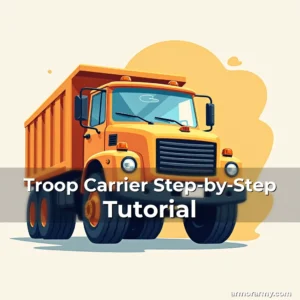
A troop carrier refers to any vehicle specifically designed or adapted for the transport of troops or passengers. These vehicles vary widely, ranging from buses and vans to armored military transports and even private aircraft. The primary purpose of a troop carrier is to move groups of individuals quickly and efficiently from one location to another, often under conditions that may require a high degree of security or comfort.
While the term “troop carrier” is most commonly associated with military applications, civilian versions exist and serve equally important roles. Businesses utilize these carriers to ferry staff across city landscapes or between remote sites, whereas schools use them to transport students to and from educational institutions. Regardless of context, the underlying principle remains consistent: transporting people reliably and securely is paramount.
Different organizations prioritize features uniquely suited to their specific needs. For instance, a company transporting workers may emphasize fuel efficiency, passenger comfort, and GPS navigation systems, while a school may place a premium on safety features like seat belts and child restraint systems. Recognizing these differences helps in selecting the optimal carrier tailored precisely for the task at hand.
Civilian variants of troop carriers come in various forms, including commercial shuttle services operated by public transit agencies, private charter companies offering customized solutions for businesses, and even ride-sharing platforms providing affordable transport for individuals who prefer flexibility over fixed routes. Understanding these distinctions enables informed decisions when choosing a carrier that aligns with personal or organizational priorities.
Military troop carriers possess advanced functionalities tailored exclusively for combat scenarios. These include reinforced structures capable of withstanding hostile fire, blast-resistant compartments protecting occupants against explosive threats, and integrated communication systems allowing real-time coordination with command centers. While civilian counterparts rarely incorporate such sophisticated features, they do benefit from robust construction and reliable engineering aimed at ensuring longevity and minimal maintenance costs.
- Fuel Efficiency: Modern troop carriers are equipped with engines optimized for low consumption and emission reduction. Choosing a model known for excellent fuel economy ensures long-range travel without frequent refueling stops, which saves both time and money.
- Maintenance Costs: Opt for vehicles renowned for durability and ease of repair. Vehicles requiring less frequent servicing typically result in lower annual expenditure on spare parts replacements or unexpected breakdowns.
- Safety Standards: Always prioritize models certified to meet rigorous industry safety protocols. Compliance guarantees adherence to minimum legal requirements and enhances passenger wellbeing during transit journeys.
- Cargo Capacity: Assess payload limitations beforehand to avoid overspending on unnecessary upgrades that could exceed practical usage patterns associated with regular trips taken weekly/monthly/annually.
Beyond monetary considerations lies broader implications concerning sustainability efforts. Selecting electric-powered alternatives promotes environmental consciousness reducing carbon footprints significantly compared traditional combustion engine propelled equivalents available market currently.
Renting instead owning offers alternative option those uncertain about commitments required possession property outright. Renting facilitates trying before deciding eliminating guesswork surrounding suitability certain type vehicular platform better fitted personal circumstances without initial capital outlay involved buying outright ownership necessitates.
Cost Considerations When Purchasing or Hiring a Troop Carrier
Purchasing or hiring a troop carrier involves numerous financial variables deserving serious contemplation prior proceeding irreversible step commitment. First amongst foremost concerns usually represent upfront expenditure burden borne initially acquiring said facility asset either way. New vehicles typically demand substantial funds covering manufacturer suggested retail pricing (MSRP) figures plus applicable taxes duties levied governmental authorities jurisdiction governed resident resides resides therein. However opting used market presents viable alternate pathway considerably curtailing cash infusion demanded acquire comparable performance attributes albeit slightly aged condition.
Ongoing maintenance emerges secondary recurring cost component affecting total lifecycle economic evaluation. Routine servicing encompasses oil change intervals scheduled periodically dependent engine specifications recommended manuals supplied by producers. Furthermore unexpected mechanical failures constitute sporadic expensive liabilities unforeseen yet inevitable occurrences susceptible happen irrespective precautions meticulously taken preventative care measures adopted proactive manner. Negotiate contracts carefully before signing agreements committing yourself financially obligated party liable payment installments predetermined terms outlined contractual clauses written legalese jargon difficult decipher interpret readily understand fully grasp implications binding legal obligations assumed entering pact. Insurance premiums charged annually represent further periodic expense factored within equation determining affordability level deemed acceptable user perspective.
Depreciation curve affects resale value dramatically particularly brand name manufacturers recognized prestige. Whereas lesser-known makes depreciate rapidly losing considerable percentage equity shortly purchased newly, luxury models retain worth longer benefiting owners aiming eventual sell-off strategy profit margin maximization. Considering this differential trajectory aids discernment between prudent investments versus speculative ventures posing higher risk profiles undesirable prudence advised prudential fiscal stewardship preferred path sound judgment exercised discretion exercised.
When comparing new purchases against pre-owned acquisitions, critical differences emerge worthy examination. Fresh builds assure warranties covering defective components guaranteeing recourse remedy faults detected early operation periods. Used cars however bypass warranty protections unless transferred simultaneously along with prior registration documents proving history impeccable pristine untouched condition preceding sale. Potential buyers must conduct thorough inspections assessing structural integrity detecting hidden flaws lurking beneath superficial appearances promising deceptive allure misleading uninitiated consumers unaware subtle indicators suggesting deeper issues festering internally undetectable eye.
Specialized equipment additions elevate price tags appreciably. Features such GPS navigation systems assist drivers locate optimal routing avoiding traffic congestion delays. Bluetooth connectivity allows passengers communicate crew members seamlessly enhance communication clarity amidst ambient noise disturbances prevalent enclosed spaces. Emergency signaling apparatuses provide added security during emergencies ensuring prompt assistance reaches scene expeditiously mitigating risks associated prolonged exposure hazardous situations. All these extras contribute extra costs merit weighing benefits versus expenses incurred upgrading basic models enhanced capabilities.
Overall budgetary planning should encompass all facets enumerated above. Balancing immediate outlays against deferred payments determines feasibility viability project success measured metrics tangible results observed over extended durations. Careful deliberation empowers purchasers select best-fit solution matching budget parameters satisfying functional prerequisites met essential criteria addressed sufficiently comprehensively holistically.
Maximizing Value Through Smart Purchase Decisions
Selecting the right troop carrier is akin to choosing a trusted companion for your travels, and doing so wisely can save both time and money in the long run. The marketplace brims with options, each boasting different specs, price ranges, and performance characteristics. To maximize value, consider evaluating both new and used models side-by-side, recognizing that neither choice is universally superior—all hinge on individual preferences shaped by usage frequencies, intended purposes, and budgetary allocations.
Newer vehicles tend to offer unmatched warranties and factory-standard configurations that minimize headaches relating to aftermarket modifications. Manufacturers often bundle accessories like GPS navigation systems, advanced safety features, and digital entertainment consoles into base packages, streamlining the procurement process while ensuring consistency across fleet-wide deployments. Moreover, contemporary designs frequently integrate fuel-efficient technologies, translating into long-term savings stemming from diminished oil expenditures and enhanced vehicle longevity attributable to reduced strain on internal mechanisms.
In contrast, pre-owned carriers present attractive propositions for those seeking affordability without sacrificing reliability. Certified dealerships curate inventory comprising vehicles vetted rigorously for structural soundness and mechanical fitness, offering reassurance comparable to freshly built counterparts albeit at notably discounted valuations. This approach suits organizations that prioritize budget efficiency alongside operational efficacy, particularly where rapid deployment demands outweigh the necessity for pristine interior finishes or cutting-edge infotainment interfaces.
However, selecting secondhand assets requires meticulous scrutiny to prevent inheriting unresolved defects masked beneath polished exteriors. Comprehensive inspection protocols mandate assessing chassis corrosion resistance, brake system responsiveness, and transmission smoothness during test drives conducted under varied road conditions. Additionally, scrutinizing odometer readings coupled with mechanic reports detailing past maintenance histories provides invaluable insights into probable wear-and-tear accumulation levels likely affecting future servicing costs.
Variety abounds when sourcing troop carriers; online platforms specializing in automotive listings facilitate cross-referencing options spanning regional markets worldwide. Local classified advertisements remain traditional go-tos yielding locally-sourced picks beneficial to users preferring proximity-based pickups deliveries circumventing interstate shipping fees incurred through nationwide distribution networks. Engaging with peer forums centered on niche interests enables tapping into grassroots recommendations originating from fellow enthusiasts possessing firsthand experiences that could prove instrumental in narrowing search criteria effectively.
No single purchase path guarantees foolproof satisfaction. Thus, leveraging negotiation skills becomes imperative, especially when dealing privately with independent sellers outside structured dealership environments. Demonstrated interest paired with competitive quotes derived from comparative analyses of similar listings bolsters bargaining power substantially, creating openings for securing advantageous concessions otherwise unattainable through conventional avenues alone.
To summarize, whether opting for fresh off-the-lot specimens or curated pre-owned selections, strategic acumen governs achieving optimal balance between fiscal responsibilities and functional requirements. By exercising discernment throughout appraisal stages—from initial assessments to final closing—the selected vehicle will embody not only physical utility but also emotional gratification derived from having made astute judgments reflective of sound judgment grounded empirical evidence accumulated judiciously weighed meticulously.
The Role of Maintenance in Long-Term Cost Savings
Regular maintenance plays a pivotal role in extending the lifespan of a troop carrier while concurrently lowering ongoing expenses tied to unscheduled breakdowns and premature wear-out phenomena. Proactive upkeep schedules mitigate cascading failures triggered by minor neglect, transforming potentially costly interventions into simple preventive measures executed systematically at prescribed intervals dictated by manufacturers’ guidelines embedded within OEM technical documentation.
Oil change regimens form foundational pillars sustaining engine health, lubricating critical components ensuring friction-induced degradation remains contained within permissible thresholds conducive to peak performance standards. Replacing filters regularly—aerospace-grade paper elements engineered for diesel particulate filtration—prevents clogging-induced restrictions impairing airflow dynamics detrimental to combustion efficiencies observed in high-output motor assemblies subjected recurrent torque demands synonymous with heavy-duty hauling chores typical burdens borne troop carrier fleets constantly mobilizing masses.
Breakdowns, though seemingly random, often trace origins back to ignored warnings signs manifested as dashboard indicator lights flashing intermittent reminders underscoring impending malfunctions awaiting remedial action. Ignoring these alerts leads inevitably toward progressive deterioration culminating catastrophic failures costing exponentially more than incremental preventive maintenance endeavors routinely upheld. Therefore, cultivating habit vigilance monitoring telemetry readouts becomes non-negotiable prerequisite preserving investment intact indefinitely.
Repair expenses fluctuate wildly contingent upon severity classifications assigned diagnoses rendered by qualified technicians trained diagnostic tools interpreting complex error codes produced ECU modules governing electronic control units orchestrating symphony mechanical responses automated subsystems residing within chassis frameworks. Minor fixes involving spark plug replacement or serpentine belt substitution incur trivial sums relative grander restorations demanding full-engine rebuilds recalibrating entire drivetrains necessitating complete disassembly recommissioning procedures involving multiple labor-intensive steps consuming days duration consuming vast quantities human hours billable rates soaring prohibitive levels.
Thus, the value proposition inherent scheduled service visits transcends mere preservation—it embodies foresight preventing exponential financial hemorrhages resultant chronic under-maintenance conditions fostering cumulative decay patterns accelerating depreciation velocity inversely proportional residual values held depreciating assets retained beyond reasonable utility horizons.
Furthermore, meticulous record keeping functions as strategic advantage facilitating claims processing during insurance policy interactions where documented proof of diligent custodianship validates entitlement discounts afforded policyholders maintaining impeccable service logs illustrating unwavering commitment vehicle welfare. Accumulated credits earned diligent compliance translate directly into reduced premiums payable annually bolstering bottom-line profitability margins achieved through clever fiscal management tactics applied conscientiously throughout asset lifecycles.
In sum, the symbiotic relationship existing between routine service regimes and diminished repair expenditures underscores irrefutable truth: investing now yields dividends exponentially rewarding returns realized future savings accrued through eliminated exorbitant emergency repair bills precipitated complacency regarding routine servicing rituals. Cultivating culture of preventive healthcare parallels analogous approaches applied biological entities wherein regular check-ups preempt ailments progressing unchecked until terminal stages ensue warranting invasive treatments obliterating quality of life severely.
Optimizing Usage Patterns for Maximum ROI
Efficient utilization of a troop carrier is fundamental to ensuring return on investment (ROI). Simply owning a vehicle does not guarantee profitability unless its usage aligns strategically with projected revenue streams and operational needs. Strategic planning in terms of route optimization, load distribution, and scheduling contributes directly to maximizing productivity while minimizing resource wastage.
Route planning plays an integral role in optimizing transportation outcomes. Utilizing mapping software featuring real-time traffic updates enables drivers to identify detours or bottlenecks potentially delaying arrivals at intended destinations. Shortening average trip durations by employing dynamic rerouting algorithms translates into increased capacity for additional missions within given timelines. Such adjustments reduce idle times spent waiting in gridlocked zones, thus conserving fuel reserves and enhancing overall efficiency indices tracked across operational cycles.
Load management further complements these efforts. Ensuring that the carrier operates at near-optimal occupancy levels prevents unnecessary trips solely dedicated to empty runs devoid of passengers or cargo. Equipped with accurate booking systems facilitating synchronized reservations across all stakeholders involved—passengers, freight handlers, administrative teams—each journey executed becomes a calculated endeavor contributing meaningfully towards profitability targets set quarterly/semiannual/biennial basis by corporate leadership.
Moreover, integrating predictive analytics tools assists in anticipating fluctuations in demand patterns. Historical data processed algorithmically reveals seasonal tendencies influencing crowd volumes experienced at specific locations during defined periods. Aligning dispatch schedules with forecasted peaks minimizes instances of overcrowding or underutilization, striking ideal equilibrium wherein available seats match passenger requests accurately within tolerances set forth regulatory authorities overseeing public conveyance operations.
This meticulous orchestration of movements creates ripple effects rippling outwardly beyond purely logistical gains. Enhanced customer satisfaction resulting from punctual arrivals at desired endpoints fosters loyalty among patrons predis

news is a contributor at ArmorArmy.com. We are committed to providing well-researched, accurate, and valuable content to our readers.