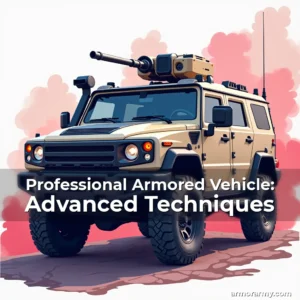

The Tactical Evolution of Police Bearcats: A Deep Dive into Modern Law Enforcement Mobility Units
In an era where rapid response and tactical superiority define modern law enforcement operations, police bearcats have emerged as indispensable assets. These high-speed mobile command units represent the pinnacle of engineering, combining cutting-edge technology with military-grade durability to support frontline policing missions across diverse environments.
Beyond their intimidating appearance, these specialized vehicles serve critical functions that extend far beyond simple transportation. From rapid deployment scenarios to complex investigative operations, bearcats have revolutionized how police forces approach crisis management and strategic mobility in contemporary urban landscapes.
Pioneering Origins and Technological Foundations
The concept of mobile command centers dates back to the mid-20th century when law enforcement agencies first recognized the need for on-site intelligence gathering capabilities during large-scale events. However, the modern iteration we now recognize as police bearcats has evolved significantly from its early predecessors through decades of technological innovation and operational experience.
Military vehicle design principles laid much of the foundation for today’s advanced bearcat platforms. Engineers adapted rugged armored personnel carrier architectures while incorporating civilian roadworthiness standards, creating a hybrid form that balances battlefield resilience with everyday usability. This dual-purpose construction allows bearcats to operate seamlessly in both high-intensity conflict zones and standard patrol areas.
One of the most significant innovations came with the integration of real-time data processing systems. Early models relied on basic radio communication networks, but current generations feature fiber-optic backbone infrastructures capable of transmitting terabytes of information instantaneously between units. This capability enables seamless coordination among multiple response teams operating within a single incident zone.
The adoption of modular interior configurations marks another milestone in bearcat development. Unlike traditional fixed-layout designs, modern units allow for quick reconfiguration based on mission requirements. This adaptability ensures that each bearcat can transition smoothly from a medical evacuation platform to a bomb disposal unit without requiring extensive hardware modifications.
Material science advancements have also played a crucial role in shaping these vehicles’ characteristics. Composite armor plating combined with blast-resistant glass provides unparalleled protection against various threats while maintaining reasonable weight distribution. Some models incorporate self-healing materials that automatically repair minor surface damage caused by routine use or small arms fire.
- Aircraft-grade aluminum alloys: Used in structural frames for lightweight strength and corrosion resistance
- Ceramic composite armor: Offers exceptional ballistic protection while minimizing added mass
- Multi-layered polycarbonate windows: Provide clear visibility along with bullet-resistant properties
- Active suspension systems: Enhance maneuverability over rough terrain without compromising occupant comfort
Operational Roles and Strategic Deployment
Police bearcats function as multifaceted tools that support a wide range of law enforcement activities. Their primary roles include serving as mobile command posts, surveillance hubs, and emergency response units. Each configuration is tailored to address specific needs arising from different types of incidents encountered by modern police departments.
The ability to establish temporary command centers at incident sites proves particularly valuable during large-scale operations. Equipped with satellite communication links and digital mapping interfaces, bearcats enable officers to coordinate responses effectively even in remote locations lacking conventional infrastructure. This functionality becomes especially critical during natural disasters or other catastrophic events demanding swift action.
Surveillance capabilities represent another key aspect of these vehicles’ utility. Integrated sensor arrays allow operators to monitor surrounding areas discreetly while remaining protected inside the secure cabin. Thermal imaging cameras and license plate recognition systems contribute to enhanced situational awareness, improving overall safety for both officers and civilians alike.
Emergency medical services benefit greatly from bearcat deployments as well. Specialized units configured for trauma care contain fully equipped field hospitals complete with life-support equipment and diagnostic instruments. These mobile medical facilities can reach accident scenes faster than traditional ambulances, increasing survival rates for critically injured individuals.
Detective work has also been transformed through bearcat utilization. Onboard forensic laboratories facilitate immediate analysis of evidence collected from crime scenes, accelerating investigation timelines. High-resolution microscopes, chemical analyzers, and DNA extraction kits empower detectives to conduct preliminary examinations right at the scene rather than waiting for laboratory results.
Armed conflict situations require specially modified versions of these vehicles. Reinforced steel plating and mounted weapon systems convert standard bearcats into formidable combat platforms capable of supporting police operations in high-risk environments. Despite such militaristic adaptations, careful balance is maintained between offensive capabilities and public engagement considerations.
Training exercises regularly utilize bearcats to simulate real-world conditions. Cadets gain hands-on experience operating sophisticated control panels and managing virtual scenarios presented via immersive simulation software installed within these units. Such preparation helps bridge the gap between theoretical knowledge and practical application before actual deployment.
Tactical Advantages and Operational Flexibility
One of the defining features of police bearcats lies in their exceptional speed and agility compared to conventional patrol cars. Engineered with powerful V8 or turbocharged diesel engines, these vehicles can achieve impressive acceleration figures while maintaining stability at highway speeds. This performance level ensures they can outmaneuver potential threats or quickly reach distant locations as required.
Versatility represents another core advantage provided by these units. Depending on mission parameters, bearcats can be outfitted with various toolkits and accessories ranging from riot gear storage compartments to underwater diving apparatuses. Such customization options make them highly adaptable to almost any type of operation likely to occur in urban settings.
Self-sufficiency is a crucial characteristic distinguishing bearcats from regular service vehicles. Built-in power generators provide continuous electricity supply essential for operating onboard equipment during extended missions. Independent water reservoirs and food storage solutions further enhance their capacity for prolonged deployments away from base stations.
Communication capabilities rival those found in military field headquarters. State-of-the-art radios featuring encrypted channels ensure secure transmission of sensitive information. Satellite uplinks maintain connectivity even in regions experiencing network disruptions due to technical failures or intentional jamming attempts.
Survivability factors are meticulously considered during bearcat design processes. Blast-resistant fuel tanks prevent ignition risks following explosions nearby, while redundant braking systems minimize stopping distances under extreme circumstances. Comprehensive air filtration mechanisms guarantee breathable air quality regardless of environmental pollutants present outside the vehicle.
Rapid deployment readiness defines yet another vital attribute possessed by these units. Preloaded mission templates stored within their computer systems allow crews to initiate specific protocols instantly upon receiving dispatch instructions. Such preparedness dramatically reduces response times associated with transitioning between different operational modes.
Technological Innovations Shaping Future Capabilities
Ongoing research initiatives continue pushing the boundaries of what bearcats can accomplish. Emerging technologies promise enhancements in several critical domains including autonomous navigation, artificial intelligence integration, and next-generation communications systems.
Autonomous driving capabilities constitute one promising area undergoing development. Experimental prototypes already demonstrate limited self-driving functionalities that could eventually reduce driver workload during routine patrols or transport tasks. Full autonomy remains some distance away, but incremental improvements will gradually increase efficiency levels achievable through automated operations.
Artificial intelligence applications offer exciting possibilities for optimizing resource allocation strategies. Machine learning algorithms analyze historical data patterns to predict probable incident hotspots accurately. Such predictive analytics assist commanders in making informed decisions regarding manpower distribution and equipment deployment priorities.
Advanced drone integration presents another fascinating prospect. Swarm-based aerial reconnaissance systems coordinated from bearcats would provide unprecedented surveillance coverage over vast territories simultaneously. Real-time image feeds transmitted back to central command hubs would enhance decision-making accuracy substantially.
Quantum computing research may ultimately lead to breakthroughs affecting cryptographic security measures employed throughout entire law enforcement ecosystems. Enhanced encryption methods resulting from quantum advancements would protect against increasingly sophisticated cyberattack vectors targeting critical communication infrastructures.
Holographic display implementations appear poised to transform training procedures conducted aboard bearcats. Interactive three-dimensional simulations projected using volumetric displays would create highly realistic scenario experiences for trainees practicing various tactical responses safely within controlled environments.
Biometric authentication systems integrated directly into steering controls represent another emerging trend aimed at bolstering operational security. These fingerprint or iris scanning devices verify operator identities swiftly, preventing unauthorized access to classified systems contained within the vehicle interiors.
Nanotechnology developments might soon influence material composition choices used in future iterations of bearcats. Self-repairing surfaces composed of microscopic robots working collectively to mend damages autonomously could significantly extend service lifespans considerably compared to current maintenance schedules.
Ethical Considerations and Public Perception Challenges
The presence of heavily armed police bearcats inevitably raises questions regarding appropriate usage limits and accountability frameworks governing their employment. Balancing effective law enforcement needs with civic rights protections demands constant evaluation and refinement of existing policies regulating these specialized units.
Critics argue that excessive militarization of policing resources creates unnecessary confrontational postures toward communities being served. When equipped with combat-ready arsenals typically associated with military forces rather than local police departments, concerns arise concerning whether such preparations appropriately reflect true public safety imperatives.
Transparency efforts aim to mitigate mistrust stemming from fears about potential misuse scenarios involving bearcats. Open-door policy demonstrations allowing citizens to tour these vehicles firsthand help demystify their purposes and capabilities, fostering greater understanding instead of apprehension towards their existence.
Data privacy advocates emphasize the importance of establishing robust safeguards around information gathered through bearcat-mounted surveillance systems. Clear regulations specifying permissible uses and limitations for collected data reassure the public that oversight exists ensuring responsible implementation of such monitoring technologies.
Community engagement programs designed specifically for bearcat units seek direct involvement opportunities for residents in dialogues about policing practices. By encouraging open discussions between officers representing these mobile units and local populations, mutual trust can be cultivated despite initial skepticism often accompanying exposure to novel law enforcement tools.
Independent review boards comprising diverse citizen representatives serve as checks against possible overreach tendencies inherent in concentrated authority held by bearcat crews. Regular audits assessing compliance with established ethical guidelines reinforce institutional commitment to accountability principles guiding their actions consistently.
Public education campaigns detailing the full spectrum of bearcat functions beyond mere weapons platforms foster balanced perspectives concerning their societal value. Highlighting contributions made towards saving lives through medical assistance or disaster relief efforts paints a more holistic picture illustrating benefits received by communities utilizing these advanced assets responsibly.
Global Applications and Cross-Border Cooperation
International collaboration plays a pivotal role in refining best practices related to deploying police bearcats globally. Shared knowledge exchanges enable countries facing similar challenges to develop standardized approaches addressing common issues arising from implementing these high-tech mobile units.
Specially trained multinational task forces occasionally deploy customized bearcat variants suited for cross-border operations dealing with transnational criminal enterprises engaged in drug trafficking or human smuggling ventures. Coordinated responses facilitated by interoperable communication systems enhance effectiveness of joint efforts undertaken against organized crime syndicates operating internationally.
Disaster relief missions frequently involve cooperation between national emergency services and deployed bearcat units. Configured for humanitarian aid delivery, these vehicles carry supplies destined for affected regions impacted by earthquakes or hurricanes, demonstrating versatility extending far beyond purely combative applications originally envisioned for them.
Peacekeeping initiatives sometimes utilize bearcats as diplomatic envoys carrying negotiation teams attempting deescalation of tense standoff situations between opposing factions. Their neutral status as specialized law enforcement assets lends credibility to mediation attempts seeking peaceful resolutions avoiding resorting to violence whenever feasible.
Cross-training agreements between allied nations promote skill-sharing among operators familiarizing themselves with foreign counterparts’ techniques and tactics. Cultural sensitivity workshops accompany these exchange programs helping participants better understand regional nuances influencing successful execution of shared objectives.
Technical standards harmonization efforts facilitate seamless interoperability between international bearcat fleets. Uniform specifications for interface components ensure compatibility between disparate systems originating from different manufacturers located across continents.
Joint exercise participation strengthens bonds formed through collaborative efforts aimed at perfecting multi-agency coordination strategies. Simulated crisis scenarios rehearsed together prepare personnel for responding effectively to actual emergencies requiring collective expertise spanning multiple jurisdictions simultaneously.
Future Trajectories and Anticipated Developments
As technological progress continues unabated, future iterations of police bearcats will undoubtedly exhibit marked differences from their current counterparts in terms of functionality, design aesthetics, and operational doctrines followed by respective units employing them extensively.
Anticipation surrounds the advent of new propulsion systems set to redefine speed benchmarks achieved by present-day models. Hybrid-electric drivetrains coupled with regenerative energy recovery mechanisms promise substantial improvements in fuel economy alongside increased maneuverability figures expected from upcoming releases scheduled for testing phases soon.
Materials science breakthroughs may introduce lighter-yet-stronger alternatives replacing existing composites utilized currently. Graphene-infused polymers exhibiting superior thermal conductivity properties appear viable candidates potentially enhancing overall performance metrics measured across various operational parameters impacting daily usage patterns experienced by users interacting with these advanced machines regularly.
Human-machine interface advancements anticipate smoother user experiences through intuitive touchscreen controls replacing traditional physical buttons previously prevalent in older designs. Gesture-recognition technology enabling voice commands executed effortlessly adds convenience aspects improving operator efficiency drastically during high-stress encounters necessitating quick responses from crew members handling critical tasks rapidly.
Augmented reality visors integrated directly into helmet designs look primed for inclusion in future bearing cat specifications offering panoramic views enhanced visually overlaying crucial data points onto live video feeds streamed continuously. Such augmented visualization features assist navigators plotting courses efficiently navigating unfamiliar terrain encountered unexpectedly amid unfolding scenarios presenting sudden changes in landscape layouts dynamically altering course trajectories planned initially ahead of time.
Fully autonomous bears cats remain aspirational goals still requiring refinement prior reaching widespread implementation stages anytime soon though ongoing R&D efforts steadily inch closer toward making this futuristic vision attainable realistically within foreseeable horizons despite numerous hurdles needing surmounting before achieving reliable commercial viability at scale sufficient enough meeting global demand expectations projected going forward.
Environmental sustainability considerations factor prominently shaping agendas discussing near-future directions taken regarding evolution paths pursued for bearcat lineages. Electric versions leveraging renewable energy sources emerge as plausible replacements aiming reductions net carbon footprints attributed respectively assigned activities carried out routinely involving operation cycles governed primarily through emissions generated predominantly via combustion engine powered propulsion mechanisms hitherto conventionally relied upon exclusively without alternatives offered seriously until recently.
Conclusion
The trajectory of police bearcats reflects broader trends shaping contemporary law enforcement paradigms worldwide. As these versatile mobile units continue adapting to meet evolving security challenges faced constantly by modern societies, their significance within professional policing contexts appears assuredly enduring given demonstrated efficacy proven repeatedly throughout years spent actively involved in countless critical operations executed successfully relying heavily upon these state-of-the-art platforms providing essential backing necessary facilitating achievement outcomes desired consistently pursued relentlessly ceaselessly endeavoring safeguarding communities entrusted upon guardianship bestowed rightly rightfully so deserved.
For professionals engaged in armor-related fields or enthusiasts captivated by innovative policing technologies, recognizing bearcats’ multidimensional impact offers invaluable perspective underscoring interconnectedness existing among technological advancement, operational strategy, and societal responsibility dimensions coalescing synergistically producing optimal results benefiting everyone concerned parties implicated necessarily involved intricately woven fabric forming cohesive whole exemplifying ideal balance struck deftly expertly accomplished commendably worthy emulation admired universally acknowledged outstanding achievements celebrated broadly acclaimed revered genuinely appreciated deeply cherished treasured everlastingly honored.

news is a contributor at ArmorArmy.com. We are committed to providing well-researched, accurate, and valuable content to our readers.