Professional Armored Vehicle: Advanced Techniques
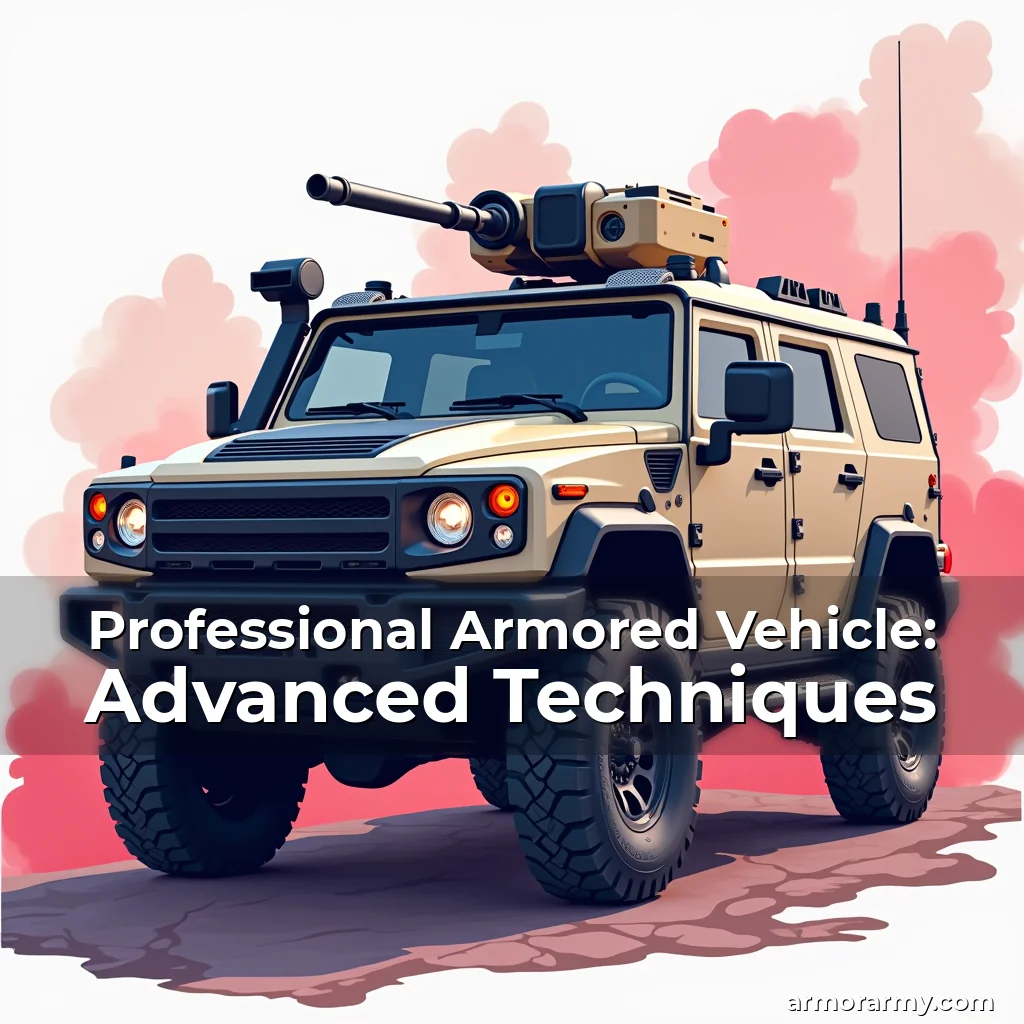
The Evolution and Tactical Significance of Modern Armored Vehicles in Military Operations
In today’s dynamic military landscape, armored vehicles have evolved from simple transport units into sophisticated platforms that define modern warfare. These vehicles are engineered to withstand extreme conditions while providing mobility, firepower, and protection to personnel and critical assets.
With technological advancements shaping every aspect of defense systems, armored vehicles now incorporate cutting-edge features such as reactive armor, advanced targeting systems, and integrated communication networks. This transformation has made them indispensable in both offensive and defensive operations worldwide.
Historical Development of Armored Vehicles
The concept of armored vehicles dates back to ancient times when chariots were used to carry warriors across battlefields. However, these early forms lacked the structural integrity and weaponry required for sustained combat engagements.
During World War I, tanks emerged as revolutionary machines designed to break through entrenched enemy lines. The British Mark I tank was among the first successful implementations of tracked armored vehicles, marking a turning point in land warfare tactics.
The interwar period saw significant improvements in design, leading to the development of heavier and faster tanks equipped with more powerful guns. Nations like Germany and the Soviet Union invested heavily in research and production during this era.
World War II accelerated innovation further, resulting in iconic models such as the German Tiger I and the American M4 Sherman. These vehicles showcased varying philosophies between heavy firepower and balanced performance.
- Early Tanks: Focused primarily on breakthrough capabilities against static defenses.
- Post-WWII Innovations: Introduced composite armor and improved suspension systems for better cross-country mobility.
Modern Design Features of Armored Vehicles
Contemporary armored vehicles integrate multiple layers of protection, including explosive-reactive armor (ERA) and active protection systems (APS). These technologies enhance survivability by neutralizing incoming threats before they impact the hull.
Advanced materials play a crucial role in modern designs. High-strength steel alloys combined with ceramic composites provide superior ballistic resistance without compromising weight efficiency.
The integration of digital command and control systems allows crews to coordinate effectively within larger tactical frameworks. Real-time data sharing enhances situational awareness and decision-making under pressure.
Stealth technology is also being explored for future generations of armored vehicles. Reducing radar signatures can significantly lower detection risks, especially in high-threat environments.
Modular design principles enable rapid reconfiguration based on mission requirements. This flexibility ensures that a single platform can fulfill diverse roles ranging from reconnaissance to direct assault.
- Reactive Armor: Detonates upon contact with projectiles to disrupt their trajectory.
- Ceramic Composites: Offer excellent energy absorption properties against shaped charges.
Tactical Roles and Employment Scenarios
Armored vehicles serve various tactical functions depending on operational needs. They often act as mobile strongpoints capable of holding key positions while supporting infantry advances.
Offensive operations frequently involve armored columns conducting deep strikes behind enemy lines. Such maneuvers aim at disrupting supply chains and command structures rather than merely capturing territory.
In urban warfare scenarios, specialized variants like IFVs (Infantry Fighting Vehicles) allow troops to deploy rapidly and engage targets at close quarters safely.
Logistical support missions require different configurations where protected cargo carriers ensure uninterrupted flow of supplies even amidst hostilities.
- Assault Missions: Emphasize speed and shock effect over prolonged engagement.
- Defensive Posture: Focuses on establishing durable frontlines using mine-resistant ambush protected (MRAP) vehicles.
Operational Advantages and Limitations
One primary advantage of armored vehicles lies in their ability to project power across vast distances quickly. Their protective capabilities make them ideal candidates for high-risk assignments involving hostile terrain.
However, these advantages come with inherent limitations. Increased mass reduces agility compared to lighter wheeled alternatives, making them less suitable for certain terrains or fast-paced skirmishes.
Fuel consumption rates remain another challenge due to higher engine demands associated with heavy armor plating and additional equipment installations.
Maintenance requirements increase substantially because complex mechanical components need regular servicing to maintain optimal functionality during extended deployments.
Economic factors influence procurement decisions globally; acquiring state-of-the-art armored fleets requires substantial investment which not all nations can afford easily.
- Protection: Provides essential safety against small arms fire and improvised explosive devices (IEDs).
- Vulnerabilities: Susceptible to anti-tank guided missiles (ATGMs) unless adequately shielded.
Technological Integration in Contemporary Armored Platforms
Digitalization has transformed how information flows within modern armored formations. Integrated sensor suites offer real-time battlefield mapping, enabling precise coordination among friendly forces.
Satellite communications link individual vehicles seamlessly into broader network-centric warfare strategies. This connectivity facilitates immediate response times and minimizes casualties through enhanced intelligence gathering methods.
Autonomous driving capabilities are gradually being tested for potential deployment in dangerous zones. Drones may accompany armored units to scout ahead or conduct surveillance tasks remotely.
Artificial Intelligence applications help analyze incoming threat patterns faster than human operators could manage alone, allowing quicker reaction times during intense confrontations.
- Sensor Fusion: Combines input from multiple sources to create accurate environmental assessments.
- AI Predictive Analytics: Anticipates possible enemy movements based on historical data analysis techniques.
Training and Crew Proficiency Requirements
Operating modern armored vehicles necessitates rigorous training programs covering everything from basic maintenance procedures up to advanced combat simulations.
Pilots must master intricate weapon handling protocols alongside navigation skills necessary for traversing challenging landscapes efficiently.
Crew synchronization becomes vital during multi-role missions requiring coordinated actions between gunners, drivers, and commanders simultaneously.
Simulator-based exercises expose trainees realistically to simulated conflict situations without exposing them physically to actual dangers.
Continuous professional development ensures crews stay updated regarding new software updates or hardware modifications affecting vehicle performance characteristics regularly.
- Combat Simulations: Provide hands-on experience managing virtual conflicts safely.
- Technical Maintenance Courses: Teach troubleshooting methodologies applicable during field operations.
Future Trends and Emerging Technologies
Ongoing R&D efforts suggest upcoming changes will emphasize greater autonomy and reduced logistical burdens. Future models might rely more on renewable energy sources or hybrid propulsion systems.
Electromagnetic pulse (EMP) shielding is becoming increasingly relevant given concerns about vulnerabilities posed by electronic warfare capabilities deployed by adversaries.
Advancements in nanotechnology promise lighter yet stronger materials potentially replacing traditional metals currently used in construction processes.
Augmented reality visors could revolutionize target acquisition speeds by overlaying critical tactical overlays onto physical surroundings instantly.
- Renewable Energy Sources: Reduce dependency on fossil fuels enhancing sustainability aspects notably.
- Nanomaterials: May lead towards next-generation armors offering unparalleled durability levels previously unattainable.
Conclusion
The evolution of armored vehicles reflects continuous adaptation driven largely by technological progress and changing strategic doctrines employed around the globe.
To leverage full benefits offered by contemporary armored solutions, militaries must prioritize ongoing investments ensuring readiness standards align closely with emerging challenges faced daily.
“`