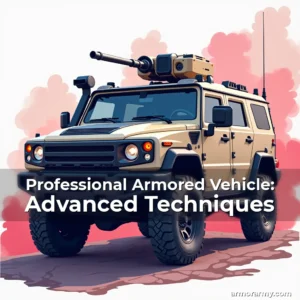

The Ultimate Police Bearcat Field Manual: Tactics, Modifications & Operational Insights
In law enforcement circles, the term “bearcat” refers to specialized armored response vehicles designed for high-risk scenarios. These rugged machines combine military-grade protection with advanced mobility, enabling officers to navigate hostile environments safely.
As technology evolves, so does the role of bearcats in modern policing. From enhanced armor plating to integrated communication systems, today’s units represent a fusion of battlefield engineering and public safety innovation.
Beyond the Surface: Understanding Bearcat Design Principles
Modern police bearcats prioritize both protection and performance through meticulous engineering. Their V-shaped hulls deflect blast energy away from occupants while allowing rapid acceleration over varied terrain.
The choice of materials significantly impacts a unit’s effectiveness. Military-grade steel alloys offer superior resistance against ballistic threats compared to conventional automotive metals.
Cockpit ergonomics receive special attention during development. Ergonomic seating arrangements and intuitive control layouts reduce operator fatigue during extended deployments.
Fuel efficiency improvements have led to hybrid-electric models capable of operating silently for short durations—an invaluable asset during covert operations.
- V-Shaped Hull Technology: This design channels explosive forces downward rather than toward the cabin, minimizing injury risks during ambushes.
- Axial-Torsion Suspension: Advanced suspension systems allow these heavy vehicles to traverse rough surfaces at speeds up to 60 mph without compromising stability.
- Multispectral Coatings: Specialized paint formulations help evade thermal imaging devices commonly used in urban combat zones.
- Active Mine Detection Systems: Some models incorporate ground-penetrating radar to identify hidden explosives before encountering them.
Tactical Applications Across Law Enforcement Sectors
Bearcats serve diverse functions depending on jurisdictional needs. Urban departments often deploy them for hostage rescue missions, while rural agencies use them for border security patrols.
Their modular interiors enable quick reconfiguration for different tasks. A single unit might transition from carrying riot gear to transporting medical supplies within minutes.
District attorneys frequently request bearcat deployment in cases involving armed suspects barricaded inside buildings. Their reinforced exteriors protect officers during forced entry procedures.
Emergency management teams utilize bearcats as mobile command centers during disasters. Internal compartments house satellite communications equipment and field hospitals.
Crime scene investigation units benefit from the vehicle’s ability to remain undisturbed near evidence sites without risking contamination from regular patrol cars.
Operational Scenarios Requiring Bearcat Deployment
Hostage negotiation situations demand careful approach strategies. Bearcats arrive last among responding units to avoid intimidating potential aggressors prematurely.
During active shooter incidents, their presence provides immediate protective barriers for civilians seeking shelter while SWAT teams neutralize threats.
Border patrol applications require specially modified versions equipped with night vision cameras and motion sensors for unattended surveillance.
Some jurisdictions use bearcats as decoys to divert attention from actual undercover operations taking place elsewhere in the city.
Customization Options: Enhancing Capabilities Through Modification
Law enforcement agencies often customize their bearcats based on local threat assessments. Modular armor kits allow adjustments to protection levels depending on expected dangers.
Weapon mounting options vary widely. Some units feature rooftop machine guns, while others integrate grenade launchers beneath the chassis for surprise attacks.
Communication suites receive frequent updates. Modern systems support encrypted radio transmissions and direct links to dispatch centers via fiber-optic cables.
Sensor packages continue evolving. Thermal imaging cameras now work alongside laser rangefinders to enhance situational awareness during nighttime operations.
- Ballistic Plating Upgrades: Additional layers of composite armor can increase protection against rifle rounds at the cost of reduced speed.
- Rapid Deployment Doors: Special access panels allow instant egress during emergencies without requiring complete door removal.
- Remote-Controlled Turrets: Gun mounts operated from inside the vehicle minimize exposure risk during firefights.
- Underbody Explosive Detonation Ports: Strategically placed ports help defuse roadside bombs by detonating them remotely.
Training Protocols for Effective Bearcat Operation
Pilots undergo extensive simulation training before handling live units. Virtual reality programs replicate various emergency scenarios to prepare operators for real-world challenges.
Driving techniques differ significantly from standard vehicles. Operators learn to anticipate weight distribution changes when traversing uneven terrain.
Combat drills emphasize teamwork coordination between the driver and other personnel inside the vehicle. Clear communication protocols prevent confusion during complex maneuvers.
Regular maintenance routines form part of ongoing training. Mechanics receive certification to perform routine inspections and minor repairs in the field.
Psychological preparedness receives equal attention. Stress management exercises help drivers stay calm during life-threatening encounters.
Specialized Training Programs
Elite units participate in annual cross-training exercises with military counterparts. These sessions focus on combined arms tactics and joint mission execution.
New recruits spend weeks mastering vehicle-specific skills before progressing to fieldwork. This includes learning how to operate external weapon systems safely.
Simulated assault courses test physical endurance under extreme conditions. Participants must complete obstacle-filled tracks while managing simulated gunfire.
Mechanics receive hazardous material training to handle fuel leaks and chemical spills that may occur during operations.
Case Studies: Real-World Applications of Police Bearcats
One notable incident involved a bank robbery in downtown Chicago where a bearcat played a pivotal role in resolving the standoff peacefully. Its presence allowed negotiators to de-escalate tensions effectively.
Different jurisdictions showcase varied success stories. In Texas, bearcats were instrumental in tracking fugitives across remote desert regions where traditional pursuit methods proved ineffective.
European cities report increased officer safety due to bearcat deployments during demonstrations. Their imposing presence deters violent confrontations before they escalate.
A recent study found that units equipped with the latest sensor technologies reduced collateral damage by 40% compared to older models lacking similar capabilities.
In some areas, bearcats have been credited with preventing mass casualties during terrorist plots uncovered through their surveillance equipment.
Maintenance and Longevity Strategies for Optimal Performance
Preventative maintenance schedules are critical for keeping bearcats operational. Regular inspections catch potential issues before they become serious problems.
Engine components require special care due to the additional stress from heavy armor. Oil change intervals are typically shorter than those for standard vehicles.
Electrical systems pose unique challenges. Surge protectors and redundant circuits help prevent failures caused by electrical surges from nearby explosions.
Armor plating needs periodic inspection for signs of wear or corrosion. Minor damages should be addressed promptly to prevent structural weaknesses.
- Lubrication Maintenance: High-performance greases are essential for keeping bearings and joints functioning smoothly under extreme loads.
- Hydraulic System Checks: Regular testing ensures steering mechanisms respond accurately even after sustained use.
- Fire Suppression Systems: Monthly checks verify that onboard extinguishers function correctly in case of engine fires.
- Air Filter Replacement: Frequent filter changes maintain optimal air intake quality for combustion engines under demanding conditions.
Ethical Considerations and Legal Framework Surrounding Bearcat Usage
Regulations governing bearcat deployment vary by region but generally aim to balance public safety with civil liberties protections. Local ordinances dictate permissible use scenarios.
Privacy concerns arise when these vehicles are equipped with facial recognition software. Strict protocols govern data collection and storage procedures.
International agreements sometimes restrict certain types of weaponry mounted on bearcats to prevent escalation into full-scale conflicts.
Transparency initiatives promote accountability. Many departments publish usage reports detailing how often these vehicles are deployed and for what purposes.
Ongoing debates exist regarding the militarization of police forces through bearcat acquisitions. Community engagement efforts seek to address public apprehensions about perceived aggression.
Future Trends Shaping Police Bearcat Development
Emerging technologies promise significant enhancements to existing capabilities. Autonomous navigation systems may soon allow remote operation of these powerful machines.
Artificial intelligence integration enables predictive analytics that warn operators of potential threats before they manifest physically.
Advancements in nanotechnology suggest lighter yet stronger materials could eventually replace current metal composites used in construction.
Environmental sustainability is becoming increasingly important. Researchers are exploring biofuel alternatives compatible with bearcat propulsion systems.
Holographic displays may soon replace traditional dashboards, offering immersive visualization tools for pilots navigating complex urban landscapes.
Conclusion
This exploration of police bearcats reveals their multifaceted role in contemporary law enforcement. From technical specifications to ethical implications, these vehicles embody cutting-edge solutions to emerging challenges.
To fully leverage bearcat capabilities, continuous investment in research, training, and responsible policy-making remains essential. Engaging with industry professionals and participating in workshops offers valuable opportunities to deepen your understanding of these remarkable machines.

news is a contributor at ArmorArmy.com. We are committed to providing well-researched, accurate, and valuable content to our readers.