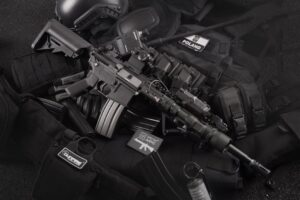

Infantry Vehicle Best Practices 2025
The evolution of infantry vehicles has redefined modern battlefield dynamics, offering soldiers enhanced mobility, protection, and firepower. As technology advances rapidly, understanding best practices becomes crucial for military units seeking operational superiority. This guide explores cutting-edge strategies and innovations shaping the future of infantry transport.
From armored personnel carriers to multi-role combat vehicles, the landscape is constantly shifting with new capabilities emerging each year. Military leaders must stay informed about these developments to maintain tactical advantage across diverse terrains and mission types.
Mobility Innovations in Infantry Vehicles
In 2025, advanced suspension systems have become standard features in next-generation infantry vehicles. These systems reduce crew fatigue during long deployments while maintaining stability over rough terrain.
Hybrid-electric propulsion is another breakthrough that enhances both speed and fuel efficiency. Modern designs allow vehicles to switch between traditional combustion engines and electric powertrains depending on mission requirements.
Adaptive Traction Control: Many models now incorporate AI-driven traction control systems that adjust wheel torque distribution in real-time based on surface conditions. This significantly improves off-road performance compared to older mechanical systems.
Dual-Mode Mobility Systems: Some leading manufacturers offer dual-mode configurations where vehicles can transform from wheeled to tracked operation within minutes using modular components. This flexibility allows rapid adaptation to different environments without requiring separate platforms.
- Ruggedized Undercarriage: Reinforced frames withstand extreme impacts while minimizing maintenance needs through self-diagnostic sensors that predict component failures before they occur.
- Aerodynamic Design: Streamlined shapes reduce wind resistance by up to 25%, improving highway speeds and reducing energy consumption during transit operations.
Protection Technologies for Modern Warfare
Cutting-edge composite materials are revolutionizing infantry vehicle armor solutions. Multilayered structures combine ceramic tiles with reactive armor plates to counteract various threat levels effectively.
New generation active defense systems employ radar-guided interceptors capable of detecting and neutralizing incoming projectiles at distances exceeding 800 meters. These systems provide critical seconds of reaction time against anti-tank guided missiles.
Evolving Threat Landscape
Military analysts report an increase in improvised explosive devices (IEDs) equipped with sophisticated triggering mechanisms. In response, infantry vehicles are being fitted with mine-resistant body armor (MRBA) featuring V-shaped hulls designed to deflect blast forces away from occupants.
Data shows that MRBA-equipped vehicles reduce survivability risks by approximately 60% when encountering roadside bombs. This statistic underscores why many nations are prioritizing such modifications in their fleet upgrades.
Fighting Capabilities Integration
Modern infantry vehicles go beyond mere transportation functions by integrating powerful weapon systems directly onto their platforms. Remote-controlled machine guns and anti-aircraft mounts enhance situational awareness and engagement options.
Sensor fusion technologies enable seamless coordination between onboard weapons and external drones. This interconnected approach creates layered defensive networks that respond dynamically to changing threats.
Integrated Fire Control Systems: Advanced targeting suites use laser rangefinders combined with thermal imaging cameras to identify targets accurately even in low visibility conditions. These systems dramatically improve first-shot accuracy rates.
Modular Weapon Mounts: The latest models feature standardized mounting interfaces allowing quick swaps between different armaments based on mission parameters. This adaptability ensures optimal readiness regardless of deployment scenarios.
- Laser Warning Receivers: These passive detection systems alert crews to potential missile lock-ons well in advance, providing precious moments for evasive maneuvers.
- Electronic Countermeasures: Jamming equipment disrupts enemy communications and guidance systems, creating temporary windows of opportunity for offensive actions.
Logistical Considerations for Effective Deployment
Successful infantry vehicle operations depend heavily on robust supply chains that ensure timely resupply of fuel, ammunition, and spare parts. Digital logistics management systems track inventory levels in real-time across global depots.
Predictive maintenance algorithms analyze sensor data to forecast part replacements before failures occur. This proactive approach reduces downtime by up to 40% according to recent field trials.
Interoperable Fuel Standards: Standardized refueling protocols enable rapid turnaround times when operating alongside allied forces using different vehicle specifications. This interoperability is especially vital during multinational exercises or coalition operations.
Modular Spare Parts Kits: Pre-packaged repair kits contain essential components commonly required during field missions. These kits minimize reliance on centralized repair facilities located far from conflict zones.
- Automated Inventory Tracking: RFID tags attached to individual components allow instant location tracking within storage warehouses, streamlining retrieval processes during urgent repairs.
- Mobile Repair Units: Deployable workshops equipped with diagnostic tools and replacement parts can perform complex repairs closer to front-line positions rather than transporting damaged vehicles back to base.
Training Programs for Crew Proficiency
Effective utilization of infantry vehicles requires specialized training programs tailored to each model’s unique characteristics and capabilities. Simulator-based instruction plays a pivotal role in preparing crews for high-stress situations safely.
Virtual reality immersion systems recreate realistic battlefield environments complete with simulated enemy fire and environmental hazards. This exposure helps build muscle memory necessary for split-second decision making under pressure.
Scenario-Based Drills: Realistic training exercises simulate actual combat scenarios including ambushes, urban warfare, and convoy escorts. These drills reinforce teamwork cohesion among crew members.
Cross-Platform Certification: Training curricula often include modules covering multiple vehicle variants to create versatile operators who can transition smoothly between different platforms as needed.
- Emergency Egress Procedures: Regular practice sessions teach crew members how to evacuate quickly in case of emergencies such as fires or structural damage.
- Tactical Driving Techniques: Specialized driving schools focus on techniques like controlled braking, obstacle negotiation, and night navigation essential for safe vehicle operation in hostile territories.
Environmental Adaptation Strategies
Infantry vehicles must operate effectively across varied climates ranging from desert heatwaves to arctic cold fronts. Thermal regulation systems manage internal temperatures ensuring habitable conditions inside the vehicle compartment.
Desert-specific models feature reinforced cooling systems with auxiliary radiators while polar versions utilize heated exhaust systems to prevent ice buildup affecting engine performance.
Climate-Controlled Habitats: Interior climate control units maintain consistent temperature ranges suitable for prolonged occupancy periods, preventing dehydration or hypothermia risks.
Weather-Resistant Electronics: All electronic systems undergo rigorous testing to function properly under extreme humidity, saltwater expo
- Anti-Fog Coatings: Windows treated with special coatings resist condensation formation, maintaining clear visibility during sudden weather changes.
- Corrosion-Resistant Materials: Exposed metal surfaces are coated with protective layers that inhibit rust development caused by moisture or chemical exposure.
Human Factors Engineering Improvements
Designing infantry vehicles with human factors principles in mind enhances crew comfort, safety, and overall effectiveness. Ergonomic seating arrangements support posture health during extended missions.
Intuitive user interface layouts place frequently used controls within easy reach, reducing cognitive load during high-pressure situations. Voice-command systems further streamline communication and device interaction.
Health Monitoring Sensors: Integrated biometric monitoring tracks vital signs continuously, alerting medical staff to any physiological distress early enough to intervene before serious complications arise.
Noise Reduction Technology: Acoustic dampening materials minimize interior noise levels, protecting hearing health and improving speech clarity among crew members communicating in noisy environments.
- Vibration Absorption Pads: Engine mounts equipped with shock-absorbing elements reduce transmitted vibrations that could cause physical discomfort or impair concentration abilities.
- Ergonomic Workstations: Adjustable console setups accommodate varying body sizes and preferences, promoting optimal work postures for all personnel aboard.
Future Trends Shaping Infantry Vehicle Development
Ongoing research focuses on autonomous capabilities that may eventually lead to driverless infantry vehicles. Current prototypes demonstrate basic pathfinding skills but still require human oversight for complex decisions.
Swarm intelligence concepts envision coordinated groups of smaller unmanned vehicles working together to achieve objectives previously handled by larger platforms alone. This approach offers greater flexibility and resilience against targeted attacks.
Augmented Reality Interfaces: Heads-up displays project critical information directly onto visors or goggles, enhancing situational awareness without diverting attention from primary tasks.
Energy-Efficient Power Sources: Experimental designs explore hydrogen fuel cells and solid-state batteries aiming to replace conventional fuels with cleaner alternatives that also promise longer operational durations.
- Biomimetic Designs: Engineers study natural forms for inspiration, developing vehicle shapes that mimic camouflaging patterns found in nature to avoid visual detection by adversaries.
- Self-Repair Nanomaterials: Research into smart materials capable of autonomously repairing minor damages presents exciting possibilities for extending service life without extensive maintenance interventions.
Conclusion
The continuous advancement of infantry vehicle technology reflects the dynamic nature of modern warfare demands. From improved mobility features to integrated combat systems, every innovation contributes towards better mission outcomes and soldier safety.
As we look ahead, embracing these best practices will be essential for armed forces worldwide striving to maintain dominance on contemporary battlefields shaped by technological progress and evolving security challenges.

news is a contributor at ArmorArmy.com. We are committed to providing well-researched, accurate, and valuable content to our readers.