
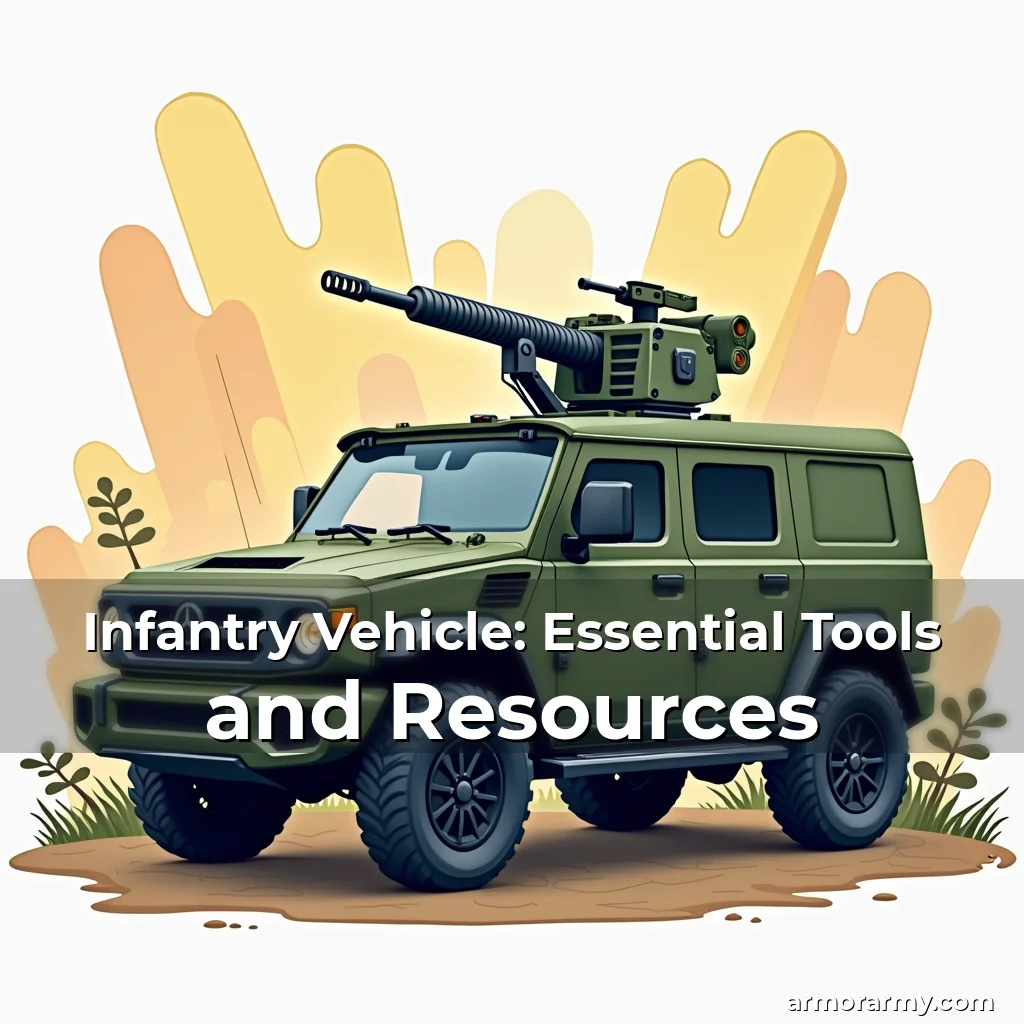
The Evolution and Role of Infantry Vehicles in Modern Warfare
Infantry vehicles have become indispensable assets in contemporary military strategy, offering unparalleled mobility, protection, and firepower for ground troops. From traversing hostile terrains to providing critical cover during offensives, these vehicles bridge the gap between traditional foot soldier tactics and high-tech mechanized warfare.
As conflicts evolve toward faster-paced, multidimensional battlespaces, the role of infantry vehicles continues to expand. These machines are no longer merely transports; they serve as mobile command posts, heavily armed combat units, and lifesaving evacuation tools in the most dangerous environments.
Fundamental Characteristics of Infantry Fighting Vehicles
An infantry fighting vehicle (IFV) is designed to transport a squad of soldiers safely into battle while providing heavy weaponry and armor protection. Unlike standard military trucks or jeeps, IFVs offer both offensive capability and robust defense mechanisms against modern battlefield threats.
The core attributes of an effective infantry vehicle include ballistic protection, integrated fire-support systems, and versatile mobility. Advanced armor configurations, such as composite or reactive plating, enable these vehicles to withstand hits from rifles, grenades, and even some antitank weapons.
- Ambush Resistance: The sloped hull design and angled armor reduce vulnerability to incoming projectiles, minimizing damage from attacks at close ranges.
- Firepower Integration: Most modern IFVs feature a primary weapon system capable of engaging targets up to several kilometers away, ensuring tactical superiority over lightly armed adversaries.
Diverse Classification of Infantry Vehicle Types
Military organizations classify infantry vehicles according to mission parameters, operational needs, and technological capabilities. This categorization ensures optimal deployment depending on regional geography, threat level, and strategic objectives.
Tracked infantry vehicles excel in rough terrain and provide superior cross-country performance, whereas wheeled variants prioritize speed and logistic flexibility. Amphibious models, such as the LAV-25, combine both abilities for river crossings and beach landings.
Specialist Variants of Infantry Vehicles
Certain specialized infantry vehicles cater to niche roles, such as medical evacuation (MEDEVAC), engineering support, or electronic warfare. For example, the Stryker Medical Evacuation Variant (Mevac) combines trauma care equipment with protective armor for wounded soldiers.
In urban warfare scenarios, compact infantry carriers like the Jackal 2 have proven invaluable for navigating tight spaces and delivering rapid response teams to hot zones. Their lightweight frames and agility give them a distinct advantage in cityscapes.
Military Applications of Infantry Vehicles in Battle
On the battlefield, infantry vehicles perform multiple functions simultaneously – transporting troops, providing suppressive fire, and acting as mobile emplacements for ambushes. They can swiftly respond to changing frontlines and adapt to fluid combat situations.
One of the most common uses involves supporting infantry assaults by laying down covering fire while moving forward. This tactic minimizes exposure time for soldiers and maximizes the element of surprise when approaching fortified enemy positions.
Tactical Roles in Combined Arms Operations
Within a larger force structure, infantry vehicles often operate alongside main battle tanks, air support, and artillery batteries to create coordinated strikes. This synergy enhances overall effectiveness through synchronized maneuverability and layered defensive capabilities.
During counterinsurgency operations, certain infantry carrier configurations are modified to integrate surveillance gear and non-lethal weapons. These adaptations help distinguish friendlies from hostiles without resorting solely to lethal force.
Historical Development of Infantry Vehicle Technology
The origins of infantry vehicles date back centuries, though modern iterations began taking shape in the mid-20th century after observing limitations in conventional transport methods during World War II. Early examples included the Soviet BMP series and U.S.-developed Bradley Fighting Vehicle.
Technological breakthroughs like improved suspension systems, better communication suites, and enhanced armor plating propelled infantry vehicle design toward greater sophistication. By the 1980s, many militaries had transitioned from open-topped troop carriers to enclosed, heavily armed IFVs.
Pivotal Advancements Over Decades
Kinetic energy penetrators revolutionized onboard weapon systems by enabling effective engagement of armored targets. Digital fire-control computers further elevated accuracy rates, especially during dynamic engagements where manual calculations were impractical.
Recent years have witnessed the emergence of hybrid powertrains combining diesel engines with electric propulsion. These next-generation vehicles promise reduced noise signatures and higher stealth profiles essential for low-intensity conflict zones.
Strategic Importance in Contemporary Conflicts
Modern armies increasingly rely on infantry vehicles to maintain momentum during offensive operations and ensure secure withdrawal routes during retreats. Their ability to navigate diverse landscapes reduces reliance on fixed infrastructure vulnerable to sabotage attempts.
Beyond direct combat applications, these vehicles contribute significantly to humanitarian relief efforts. Modular interior compartments allow swift reconfiguration for medical aid delivery or disaster response scenarios involving natural calamities or civil unrest.
Evolving Threat Landscape for Infantry Vehicles
Rising proliferation of improvised explosive devices (IEDs) presents persistent dangers to unarmored components of infantry carriers. Manufacturers now incorporate blast-resistant floors and reinforced windows to mitigate injuries caused by roadside bombs.
Cybersecurity concerns also grow increasingly pertinent as digitization improves data transmission speeds among unit members. Ensuring encrypted channels prevents enemy forces from intercepting sensitive tactical information shared through integrated radio networks.
Operational Challenges Facing Infantry Vehicle Users
Maintaining readiness requires meticulous upkeep schedules given the high stress placed upon mechanical systems operating in extreme conditions. Dust accumulation, corrosion from saltwater expo
Limited crew capacity represents another drawback considering current warfighting doctrines emphasizing smaller squads. Expanding troop compartment sizes compromises vehicle weight limits impacting overall performance metrics.
Logistical Constraints and Supply Chain Issues
Sustained operations demand reliable access to spare parts supply chains located globally. In remote regions lacking established logistical hubs, resupply delays can severely hamper combat effectiveness until reinforcements arrive via air drops or convoys.
Moreover, refueling stations remain scattered across vast territories, posing additional hurdles whenever unexpected encounters arise forcing abrupt changes in planned operation timelines.
Future Prospects for Infantry Vehicle Design
Ongoing research explores ways to lighten armor while preserving adequate protection levels using nanomaterial composites or self-healing coatings applied externally. Such innovations could lead to significant improvements in maneuverability and fuel economy figures.
Visionary projects envision incorporating autonomous subsystems managing routine tasks like navigation pathfinding or basic diagnostics checks remotely monitored by central command centers. These semi-autonomous features aim to free human operators’ attention for mission-critical decisions.
Environmental Sustainability Initiatives
Green initiatives influence future directions regarding power sources employed within these armored platforms. Experimental prototypes utilize biofuels mixed with hydrogen combustion cells promising lower carbon emissions compared to traditional petroleum-based alternatives.
Waste reduction strategies focus on recyclable materials constituting vehicle bodies along with biodegradable lubricant compounds replacing hazardous chemicals formerly required for engine maintenance procedures.
Training Regimens Specific to Operating Infantry Vehicles
Crew members must undergo extensive training covering driving techniques adapted for different road surfaces, shooting drills utilizing integrated weapon mounts, and emergency protocols addressing potential failures ranging from fire suppression measures to ejection seat functionality tests.
Simulator programs play pivotal roles teaching operators how to manage complex sensor suites comprising thermal imaging cameras, laser rangefinders, and radar mapping interfaces crucial for situational awareness during night operations or adverse weather events.
Cross-Unit Coordination Exercises
Regular exercises emphasize seamless cooperation between infantry vehicle crews and other service branches such as aviation or special forces units. Coordinated movements demonstrate interoperability enhancing chances of successful joint operations under pressure-filled circumstances.
Cybersecurity modules form part of mandatory curricula ensuring all personnel understand network vulnerabilities affecting communication systems thereby reducing susceptibility to cyberattacks aiming to disrupt field operations digitally.
Industry Trends Shaping Infantry Vehicle Manufacturing
Private sector involvement intensifies competition among manufacturers vying for lucrative government contracts through innovation showcases highlighting cutting-edge features surpassing existing offerings available internationally.
Collaborative ventures between military agencies and private firms drive development cycles shorter than before thanks to agile methodologies facilitating quicker prototyping phases preceding final product approvals conducted rigorously by authoritative testing facilities worldwide.
Global Market Analysis and Projections
Market analysts predict steady growth rates exceeding annual percentages primarily fueled by replacement needs arising from aging fleets plus increasing demand stemming from geopolitical tensions escalating global security expenditures across various nations preparing for unforeseen crises.
Emerging economies investing heavily in modernizing national defense capabilities present lucrative opportunities expanding market reach beyond traditionally dominant Western countries currently dominating production quotas observed annually through international trade reports.
Conclusion
Infantry vehicles stand at the forefront of modern warfare, embodying the convergence of mobility, protection, and firepower necessary for success in contemporary combat scenarios. As technology evolves, so too will the capabilities of these remarkable machines.
Understanding the intricacies behind infantry vehicle design and application provides valuable insight into how military forces execute operations efficiently amid rapidly shifting battlefield realities. Continued interest and education surrounding these developments benefit not only professionals but enthusiasts eager to grasp the nuances defining future wars fought on land.

news is a contributor at ArmorArmy.com. We are committed to providing well-researched, accurate, and valuable content to our readers.