Chest Rig Best Practices 2025
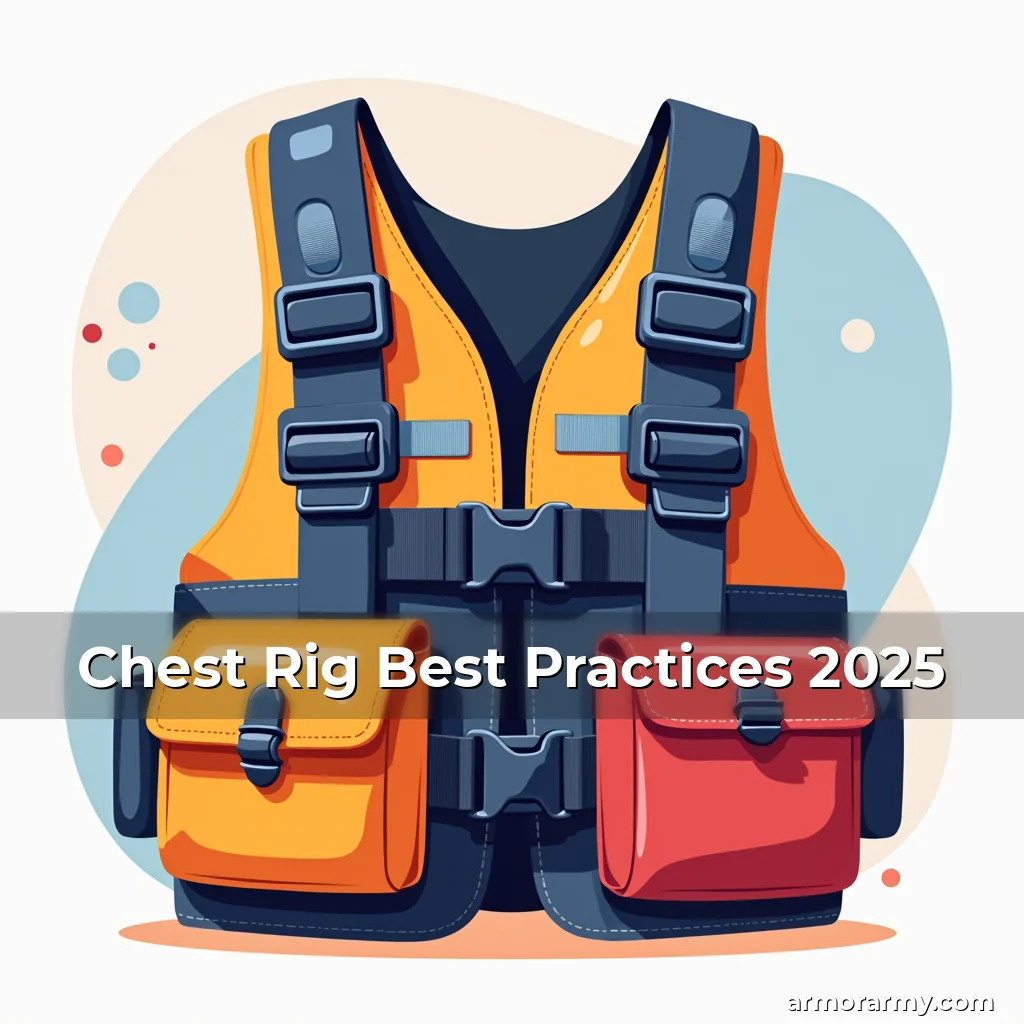
Chest Rig Best Practices 2025
In an era where tactical gear is evolving rapidly, mastering chest rig best practices has become essential for anyone involved in military operations, law enforcement, or survival scenarios. The right setup can mean the difference between efficiency and chaos under pressure.
The chest rig is not merely a piece of equipment—it’s a lifeline that organizes tools, magazines, and critical supplies within reach. As we dive deeper, you’ll discover how to optimize your loadout for peak performance.
The Evolution of Chest Rigs
Chest rigs have come a long way since their inception in the early 20th century. Initially designed as simple leather harnesses, modern chest rigs are now complex systems featuring advanced materials and modular designs.
This evolution reflects changing needs in both combat and civilian applications. From basic storage solutions to high-tech platforms integrating GPS, communication devices, and even medical kits, today’s chest rigs offer unparalleled versatility.
Materials used in contemporary chest rigs range from lightweight polymers to reinforced nylon fabrics. These choices prioritize durability while keeping weight manageable—crucial considerations for any operator.
The integration of modular components allows users to customize their rigs according to mission requirements. This adaptability ensures that each individual can configure their system uniquely without compromising functionality.
- Durability: Modern chest rigs are built to withstand harsh environments, including extreme weather conditions and rough terrain.
- Modularity: Users can add or remove attachments based on situational demands, enhancing flexibility during missions.
- Ergonomics: Improved ergonomic design reduces fatigue by distributing weight evenly across the body.
- Compatibility: Many rigs are compatible with standard-issue gear, allowing seamless integration with existing equipment.
A significant milestone in this evolution was the introduction of MOLLE-compatible systems, which revolutionized how operators attach accessories to their gear.
MOLLE stands for Modular Lightweight Load-carrying Equipment. It enables quick attachment and detachment of pouches, ensuring rapid access to essential items when they’re most needed.
Selecting the Right Chest Rig
Choosing the appropriate chest rig depends largely on its intended use. Operators must consider factors such as mission duration, environmental conditions, and personal comfort levels before making a selection.
The first step in selecting a chest rig involves identifying primary functions required during typical deployments. For instance, urban warfare might necessitate different configurations compared to wilderness expeditions.
Weight capacity is another crucial factor; lighter rigs may be preferable for extended missions where minimizing physical strain becomes paramount.
Comfort features play a vital role too. Padded straps, breathable fabrics, and adjustable fit mechanisms contribute significantly to user experience over prolonged periods.
Evaluating brand reputation can provide insight into build quality and reliability. Established manufacturers often adhere to stringent standards that ensure product longevity.
User reviews serve as invaluable resources when deciding between various models available in the market today.
Testing potential options through hands-on trials whenever possible gives firsthand knowledge about handling characteristics and overall suitability.
Essential Components of a Chest Rig System
A well-designed chest rig typically consists of several key components working together seamlessly. Understanding these parts helps users make informed decisions regarding customization and maintenance.
The main frame forms the backbone of the entire system, providing structural support and serving as mounting points for other accessories. It usually comprises durable plastic or metal elements configured ergonomically for optimal wearability.
Pouches form the heart of any effective chest rig configuration. They vary widely—from small magazine holders to larger compartments housing food, water bottles, and electronic devices.
Straps and buckles facilitate secure fastening around the torso area. Adjustable tension controls allow personalized fitting depending on body type and desired mobility level.
Buckles made from corrosion-resistant materials enhance durability against moisture exposure common in field operations.
Safety mechanisms such as locking clasps prevent accidental disengagement during intense activities or sudden movements.
Each component plays a distinct yet interconnected role within the broader context of operational effectiveness and safety assurance.
Customization Options
Modern chest rigs offer extensive customization opportunities tailored towards individual preferences or specialized roles. Customizing one’s rig enhances usability and improves task execution capabilities significantly.
Operators frequently modify their setups using additional panels attached via Velcro or snap connectors. These additions enable expanded storage capacities or enhanced accessibility depending upon need.
Variations include vertical versus horizontal layouts influencing ease-of-access patterns suited for particular tasks like close-quarters combat situations.
Some units feature integrated hydration bladders positioned strategically near central areas promoting efficient fluid intake without disrupting balance or movement coordination.
Advanced models incorporate lighting modules mounted either externally or internally inside designated housings suitable for low-light navigation purposes.
These customizations reflect ongoing advancements aimed at improving user interface interactions alongside functional enhancements relevant to diverse operational contexts.
Optimizing Your Load Distribution
Properly balancing weights distributed along the chest rig prevents undue stress on specific regions of the body, reducing risk factors associated with musculoskeletal injuries.
Heavier loads should ideally rest closer toward core muscle groups rather than being placed disproportionately higher up above shoulder blades which could lead to posture issues overtime.
Leveraging gravity assist principles means arranging heavier items lower down so natural gravitational forces aid stabilization instead of opposing it actively.
Strategic placement also considers frequency of item usage; commonly accessed tools require quicker retrieval times thus benefiting from proximity relative to dominant hand side locations.
Regular reassessment intervals help maintain equilibrium adjustments necessary due to shifting priorities amidst dynamic operational landscapes encountered daily.
Utilizing dual-layered structures provides secondary reinforcement zones capable of bearing supplementary burdens safely away from primary contact surfaces engaged constantly during movement sequences.
Training and Familiarization with Your Chest Rig
Familiarity with every aspect of your gear translates directly into confidence during real-world engagements. Comprehensive training sessions devoted exclusively towards understanding all facets contributes immensely towards mastery development processes.
Beginner-level exercises concentrate primarily upon identification routines recognizing each element comprising full ensemble sets accurately regardless ambient distractions potentially present during emergencies.
Intermediate phases transition progressively onto practical application drills simulating actual deployment scenarios requiring swift responses involving multi-task management simultaneously executing numerous concurrent objectives efficiently.
Expertise attainment requires consistent repetition cycles reinforcing procedural memory retention abilities essential maintaining reflexive actions devoid conscious deliberation when facing urgent threats threatening life security parameters.
Periodic refresher courses reacquaint individuals refresh foundational knowledge bases previously acquired enabling them update themselves latest technological innovations impacting current generation apparatus designs continually emerging marketplace offerings.
Simulation software programs mimic virtual reality experiences approximating authentic battlefield simulations aiding cognitive preparation stages preceding live-fire exercise implementations conducted controlled environments regulated protocols safeguarding participant welfare interests protected thoroughly beforehand.
Maintenance and Care for Longevity
Ensuring your chest rig remains in top condition requires regular maintenance schedules incorporating cleaning routines addressing dirt accumulation likely occurring after repeated exposures outdoor environments.
Routine inspections identify signs wear deterioration prompting timely repairs preventing further degradation cascading effects accelerating failure probabilities otherwise avoidable through proactive intervention measures undertaken promptly.
Applying protective coatings resistant UV radiation extends lifespan polymer-based constituents susceptible fading discoloration subjected prolonged sunlight exposure durations exceeding manufacturer recommendations guidelines provided documentation accompanying products received initially.
Storing appropriately protects against humidity mold growth damaging fabric integrity preserving dimensional stability dimensions maintained consistently despite seasonal climatic variations affecting regional geographical locations inhabited respective populations utilizing said equipment regularly.
Following official care instructions meticulously guarantees compliance warranties offered producers ensuring recourse avenues accessible when defects arise attributable manufacturing flaws inherent initial production stages improperly executed assembly procedures violating prescribed specifications outlined technical manuals supplied alongside purchases made officially authorized retailers.
Future Trends in Chest Rig Technology
Ongoing research developments promise exciting future trajectories shaping upcoming generations advanced weaponry systems integral segments tactical infantry outfitting necessities considered indispensable assets modern warfare paradigms prevalent global conflicts unfolding continuously across varied geopolitical frontiers worldwide.
Emerging technologies such as smart textiles embedded sensors monitoring physiological indicators represent cutting-edge approaches optimizing human-machine interfaces facilitating adaptive responses environmental stimuli perceived through digital analytics processing algorithms interpreting biometric data streams generated continuous feedback loops established neural networks trained predictive modeling techniques forecasting behavioral tendencies exhibited subjects undergoing assessment protocols.
Integration AI-powered assistants voice command functionalities streamline workflow efficiencies eliminating manual input requirements simplifying complex decision-making processes typically demanding intricate multitasking coordination among team members operating synchronized frequencies transmitting encrypted signals securely across expansive battlefields monitored satellite surveillance networks tracking movements tracked entities flagged suspicious behaviors warranting immediate attention dispatched countermeasures deployed accordingly.
Biodegradable materials aim reduce ecological footprint pollution concerns linked traditional synthetic composites contributing microplastic contaminants accumulating marine ecosystems jeopardizing biodiversity conservation efforts pursued international agreements ratified multilateral treaties binding signatories commit sustainable resource utilization policies aligning economic growth developmental projects environmentally responsible initiatives prioritizing planetary health holistic wellbeing communities inhabiting affected regions experiencing direct consequences anthropogenic activities industrialization acceleration rates observed recent decades.
Advancements material science anticipate self-healing fabrics possessing regenerative properties restoring damaged sections autonomously eliminating necessity replacement components thereby decreasing waste volumes generated discarded obsolete equipment rendered non-functional beyond repair thresholds exceeded cumulative damage accrued over time period elapsed service life expectancy estimates projected industry benchmarks calibrated empirical testing results derived laboratory experiments replicating real-world conditions simulated accelerated aging methods applied degrade samples predictively analyze degradation curves extrapolate remaining useful lifespans forecasted.
As technology progresses, expect greater emphasis on sustainability, intelligence, and adaptive capabilities in future chest rig designs. These trends will redefine what it means to carry and utilize tactical gear effectively.
Conclusion
Mastering chest rig best practices equips operators with the tools needed to perform confidently in high-stakes environments. A properly configured and maintained rig can transform chaotic situations into controlled ones.
Whether you’re preparing for a mission or simply looking to enhance your gear, investing time and effort into understanding your chest rig is never wasted. Stay ahead by embracing new technologies and refining your approach continuously.