Armored Vehicle: Essential Tools and Resources
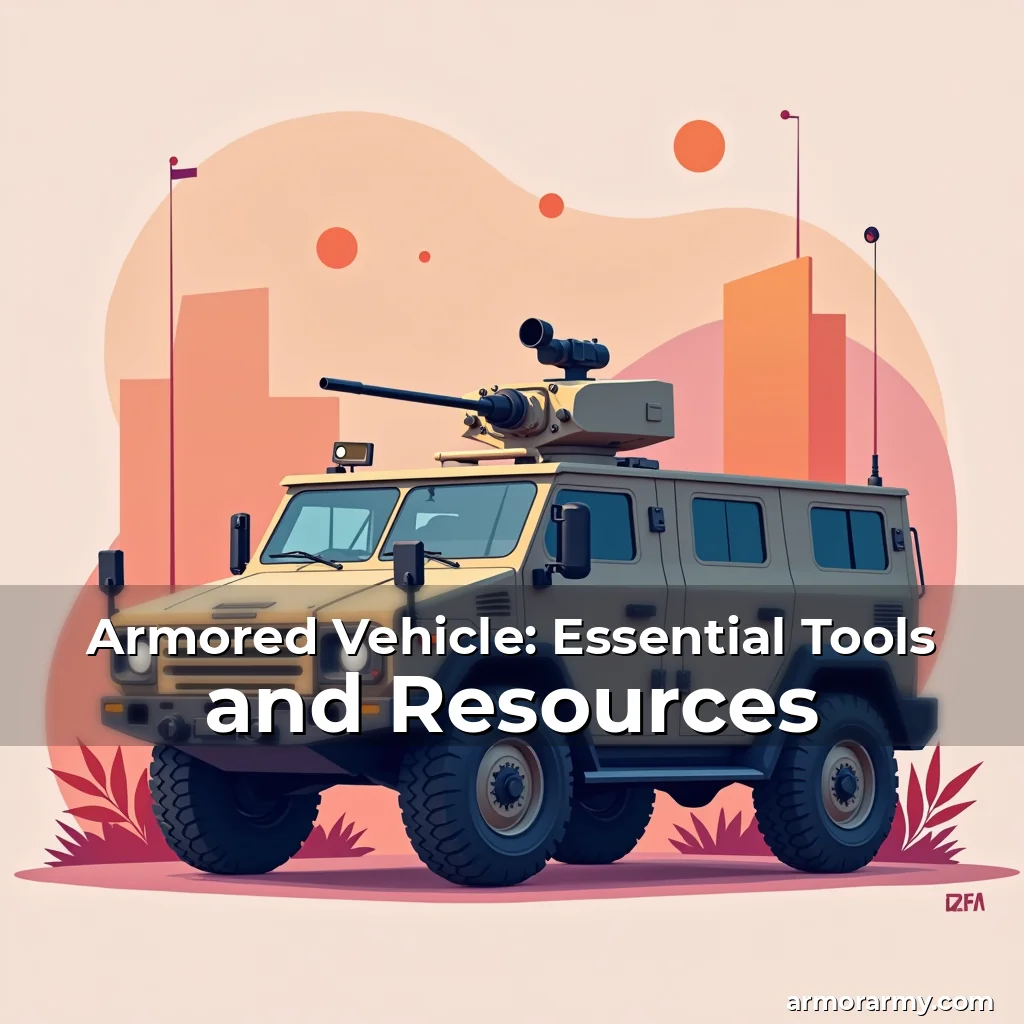
The Evolution and Tactical Significance of Armored Vehicles in Modern Warfare
In modern military operations, armored vehicles stand as pillars of strength, offering protection, mobility, and firepower crucial to battlefield dominance. From the tanks of World War II to today’s advanced Main Battle Tanks (MBTs) equipped with reactive armor and precision-guided weapons, these machines have continually evolved to meet emerging threats.
Understanding their design, functionality, and strategic applications is essential for both enthusiasts and professionals within the armorarmy community. This guide explores everything from historical milestones to cutting-edge technologies shaping the future of armored warfare.
A Historical Perspective: The Birth of Armored Combat
The concept of armored vehicles dates back to ancient times when chariots were used to protect warriors during battles. However, true mechanized warfare began with the invention of the tank by Britain during World War I. These early models, such as the British Mark I, were rudimentary but marked a revolutionary shift in combat strategy.
World War II saw significant advancements in armored technology, leading to iconic tanks like Germany’s Panther and the United States’ M4 Sherman. These vehicles became central to Blitzkrieg tactics and played pivotal roles in key campaigns across Europe and North Africa.
- Early Innovations: Initial tanks had limited speed and armor, often relying on sheer numbers to overwhelm enemy lines.
- Tactical Flexibility: As designs improved, tanks could maneuver independently, supporting infantry and capturing objectives previously thought unattainable.
Post-war developments led to the creation of specialized armored units, including reconnaissance vehicles and self-propelled artillery. These innovations laid the groundwork for the diverse array of armored platforms we see today.
Modern Armored Vehicles: Design and Functionality
Contemporary armored vehicles are engineered with sophisticated materials and systems that enhance survivability, performance, and mission adaptability. Advanced composites and modular armor configurations allow these machines to withstand high-velocity projectiles and improvised explosive devices (IEDs).
Modern MBTs integrate state-of-the-art fire control systems, thermal imaging, and digital communication networks. These features enable precise targeting under adverse conditions and seamless coordination among allied forces.
One notable feature is the integration of active defense systems, which detect incoming threats and neutralize them before impact. Examples include Israel’s Trophy system, which has proven highly effective against rocket-propelled grenades and anti-tank guided missiles.
Moreover, many armored vehicles now employ stealth technologies to reduce radar cross-sections and infrared signatures, making them harder to detect and target. This evolution reflects ongoing efforts to counter increasingly capable adversary capabilities.
The Role of Armored Vehicles in Contemporary Conflicts
Today, armored vehicles play critical roles in various operational environments, ranging from conventional warfare to asymmetric conflicts. In urban settings, they provide mobile fire support while protecting troops from ambushes and roadside bombs.
During counterinsurgency operations, lighter variants such as mine-resistant ambush protected (MRAP) vehicles dominate due to their enhanced blast resistance and agility compared to traditional heavy tanks. These platforms prioritize troop safety over direct engagement with heavily armed opponents.
Case Study: Operation Iraqi Freedom
Operation Iraqi Freedom showcased how armored vehicles adapted to new challenges posed by insurgents using IEDs extensively. U.S. forces deployed MRAPs alongside upgraded Humvees, significantly reducing casualties from roadside attacks.
Data collected after the operation indicated that MRAPS reduced IED-related fatalities by up to 68% compared to standard military vehicles. This statistic underscores the importance of continuous innovation in armored vehicle design.
Furthermore, the use of unmanned ground vehicles (UGVs) in tandem with manned platforms allowed for greater situational awareness without exposing personnel to immediate danger. Such hybrid approaches exemplify the dynamic nature of modern armored warfare.
Technological Advancements Driving Future Armor Development
Rapid advances in artificial intelligence, robotics, and material science are set to redefine armored vehicle capabilities. Autonomous driving systems promise increased efficiency through real-time data processing and decision-making abilities.
Future tanks may incorporate AI-driven threat detection algorithms that analyze terrain patterns and predict potential attack vectors based on environmental cues. These predictive analytics will enhance proactive defense strategies significantly.
Additionally, additive manufacturing techniques like 3D printing offer unprecedented flexibility in producing customized components quickly. This capability reduces maintenance downtime and allows rapid deployment of tailored solutions for different missions.
As cyber threats grow more complex, integrating robust cybersecurity measures becomes imperative. Ensuring secure communication channels between armored units prevents adversaries from disrupting command structures via electronic warfare.
Maintaining Operational Readiness: Maintenance and Training Protocols
Prolonged service life requires rigorous maintenance schedules combined with regular training exercises to ensure optimal performance at all times. Comprehensive inspection routines identify wear points before they lead to catastrophic failures.
Crew readiness hinges upon familiarization with onboard systems, emergency procedures, and simulated battle scenarios conducted in controlled environments. Regular drills reinforce muscle memory crucial during high-stress situations.
Maintenance teams utilize predictive diagnostics tools that monitor component health metrics continuously. Early warning indicators help prevent unexpected breakdowns and extend equipment lifespan considerably.
Training programs also emphasize teamwork dynamics aboard armored vehicles; successful operations depend largely on synchronized actions among crew members executing coordinated maneuvers efficiently.
Ethical Considerations and International Regulations Governing Armored Technology
The proliferation of armored weaponry raises ethical questions regarding its usage in civilian-populated areas where collateral damage risks remain high. International treaties aim to regulate arms trade while allowing necessary defenses against aggression.
Compliance with humanitarian laws mandates strict adherence to rules governing proportionality and distinction—ensuring attacks only target legitimate military objectives rather than non-combatants inadvertently harmed.
Governments must balance national security needs with global peacekeeping responsibilities. Collaborative frameworks foster responsible development practices aligned with international norms promoting stability worldwide.
Ongoing dialogue among stakeholders helps shape policies addressing emerging technological dilemmas ethically. Transparent reporting mechanisms build public trust concerning military engagements involving armored assets.
Frequently Asked Questions About Armored Vehicles
What distinguishes an armored car from a military tank?
An armored car typically refers to lightly protected vehicles designed primarily for transport purposes rather than frontline combat roles. Unlike tanks, they lack powerful armament suitable for sustained offensives or prolonged engagements against fortified positions.
How do reactive armor plates work?
Reactive armor consists of explosives packed behind layers of metal plates intended to detonate upon impact from shaped charges. This explosion disrupts penetration attempts by creating shockwaves that scatter projectile energy away from vital components inside the hull.
Are there environmentally friendly alternatives being developed?
Researchers explore eco-conscious materials incorporating recycled metals along with bio-based polymers aimed at minimizing ecological footprints associated with production processes. Efforts focus simultaneously on enhancing durability without compromising sustainability goals.
Conclusion
Armored vehicles represent a cornerstone of modern military doctrine, evolving constantly to address shifting geopolitical landscapes and technological paradigms. Their significance extends beyond mere physical presence onto battlefields—they embody strategic foresight embedded within every mechanical component.
For those passionate about armored warfare or seeking deeper understanding, staying informed about latest trends remains paramount. Engaging actively within communities dedicated to advancing knowledge fosters collective growth towards safer, smarter, and more resilient defense ecosystems globally.