Armored Suv for Small Spaces
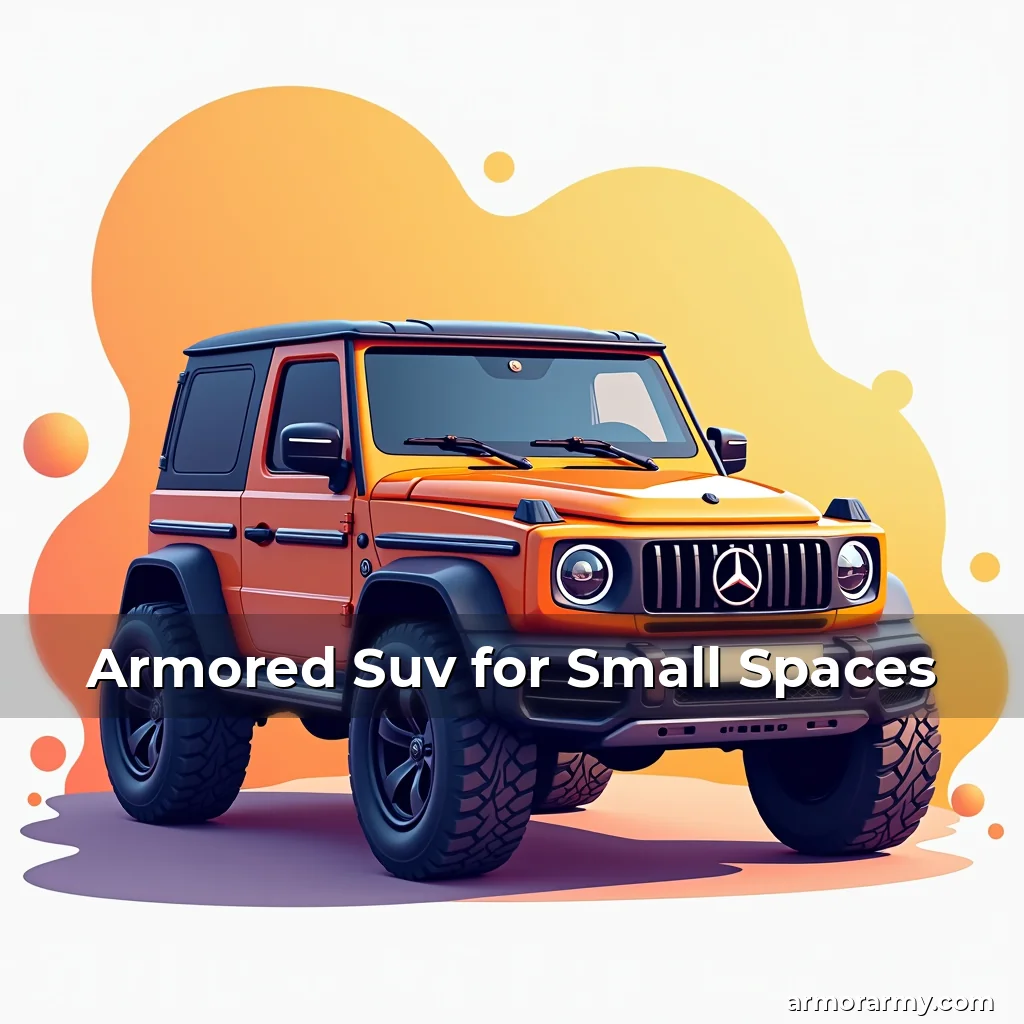
The Ultimate Armored SUV Buying Guide: Protection, Performance & Practicality
In an era where security threats are evolving faster than ever before, armored SUVs have emerged as essential vehicles for those who prioritize safety without compromising luxury. These fortified machines combine cutting-edge protection technology with refined driving experiences, making them ideal choices for individuals requiring enhanced personal security.
This comprehensive guide explores everything you need to know about armored SUVs—from their construction techniques to real-world applications. Whether you’re considering purchasing one for executive transport, family use, or special operations, understanding these vehicles’ capabilities is crucial.
Understanding Modern Armor Technology
Contemporary armored SUVs employ multi-layered composite materials that offer superior protection against ballistic threats while maintaining vehicle performance. Advanced manufacturing processes allow engineers to integrate bullet-resistant panels seamlessly into standard automotive designs.
Typical armor packages include Level IIIA body panels that can stop most handgun rounds and shrapnel from explosions. Some high-end models feature additional layers capable of resisting rifle fire through specialized ceramic composites.
- Bulletproof Glass: Reinforced laminated glass blocks projectiles while maintaining visibility
- Vault Doors: Steel-reinforced entry points prevent forced access attempts
- Run-flat Tires: Allow continued mobility after punctures or roadside attacks
The integration of active defense systems has become increasingly common. Features like electromagnetic shielding protect electronic components from jamming attempts, while explosive detection sensors alert occupants to potential threats.
Modern armor plating also incorporates blast-resistant features that minimize damage from improvised explosive devices. This includes reinforced underbody protection and shock-absorbing suspension elements designed specifically for urban environments.
Evaluating Vehicle Platforms
Selecting the right base vehicle is critical when building an armored SUV. Manufacturers typically choose platforms known for reliability, spacious interiors, and strong off-road capabilities as foundations for their armored variants.
Popular chassis selections include Land Rover Defender models for rugged terrain capability and Mercedes-Benz G-Class units renowned for durability and luxurious appointments. Both platforms provide ample space for installing necessary security enhancements.
Considerations for Different Users
For corporate executives, the primary concern often centers around discreet protection rather than overt military-style modifications. Luxury brands like Maybach and Rolls-Royce offer bespoke armor solutions that maintain elegant exteriors while ensuring occupant safety.
Families seeking armored transportation require different considerations. Vehicles must accommodate child restraint systems alongside full protective features, creating a balance between safety and practical daily use requirements.
Safety professionals working in high-risk areas demand maximum protection levels. In such cases, fully enclosed armor kits providing complete coverage from all sides become essential, even if they sacrifice some maneuverability.
Each user group requires tailored specifications based on their particular needs and threat assessments. Consulting with certified armor specialists helps ensure appropriate protection levels are implemented effectively.
Performance Characteristics of Armored Vehicles
Despite added weight from armor plating, modern armored SUVs maintain impressive handling characteristics through advanced engineering solutions. Weight distribution optimization ensures stability during both highway cruising and emergency maneuvers.
Engine power outputs have increased significantly to compensate for the additional mass carried by armored configurations. High-performance engines now commonly produce over 600 horsepower to maintain acceleration comparable to unmodified counterparts.
Braking systems undergo substantial reinforcement to handle increased stopping distances caused by heavier loads. Carbon-ceramic brakes paired with larger calipers deliver exceptional braking performance under demanding conditions.
Terrain adaptability remains a key factor in armored SUV design. Most models retain four-wheel drive capabilities allowing operation across various surfaces including mud, s
Security Enhancements Beyond Basic Armor
While structural armor forms the foundation of protection, numerous supplemental technologies enhance overall vehicle security. These innovations address emerging threats beyond traditional ballistic risks.
Electronic warfare systems now incorporate jam-proof communication modules that operate on encrypted frequencies resistant to interception. Such features are particularly valuable for diplomatic envoys operating in unstable regions.
Detection systems utilizing radar and thermal imaging help identify approaching hazards well before visual confirmation becomes possible. Early warning capabilities give occupants precious seconds to react to potential dangers.
Biometric authentication mechanisms control access to sensitive compartments within the vehicle. Fingerprint scanners and retinal recognition systems replace conventional keys, enhancing security against unauthorized entry attempts.
Cybersecurity protections guard onboard computers from hacking attempts. With increasing reliance on connected car technologies, protecting digital infrastructure has become as important as physical defenses.
Cost Considerations and Value Proposition
Purchasing an armored SUV involves significant financial investment compared to regular luxury sedans or SUVs. The cost varies greatly depending on the level of protection required and the chosen base platform.
Basic protection packages starting at $50,000 add-on costs increase substantially for higher-tier armor options. Full-scale military-grade protection may push total expenses above six figures depending on customization levels requested.
However, many buyers find that the long-term benefits justify the initial outlay. Enhanced security reduces risk exposure associated with transporting valuable cargo or personnel in hazardous locations.
Maintenance costs tend to be higher due to specialized parts and repair procedures required for armored vehicles. Regular inspections by certified technicians ensure continued effectiveness of protective measures over time.
Legal and Regulatory Aspects
Ownership of armored vehicles comes with several legal considerations that vary by jurisdiction. Understanding local regulations regarding armor installation is essential before any modifications commence.
Many countries require permits for certain types of armor upgrades, especially those offering protection against small arms fire. Compliance with international export controls applies to vehicles intended for overseas use.
Insurance policies for armored vehicles differ significantly from standard automobile coverage. Specialized insurance providers understand the unique nature of these modified vehicles and offer appropriate policy structures accordingly.
Law enforcement agencies often conduct periodic checks on armored vehicles to verify compliance with applicable laws. Maintaining documentation showing all modifications made to the original vehicle structure proves invaluable in these situations.
Real-World Applications and Case Studies
Armored SUVs serve diverse purposes ranging from diplomatic missions to private security operations. Examining actual deployment scenarios provides insight into how these vehicles perform in operational settings.
A notable example occurred during peacekeeping missions in conflict-ridden areas where armored SUVs protected UN officials moving between locations. Their ability to withstand sporadic gunfire proved vital in ensuring mission success.
In business contexts, CEO transport vehicles equipped with advanced security features have prevented numerous kidnapping attempts worldwide. Real-time GPS tracking combined with emergency response protocols saved lives in multiple documented incidents.
Private citizens facing targeted threats have successfully used armored vehicles to evade capture by armed assailants. Survivors frequently report that the combination of passive armor and active defense systems was decisive in their escape efforts.
Future Trends in Armored Vehicle Development
Ongoing technological advancements promise exciting developments in armored vehicle capabilities. Researchers continuously explore ways to improve protection while minimizing impact on vehicle performance.
Nanotechnology shows great potential for developing lighter yet stronger armor materials that could revolutionize current standards. Experimental prototypes already demonstrate improved energy absorption properties compared to traditional composites.
Autonomous driving technology may soon play a role in armored vehicle evolution. Self-driving features could reduce human error factors while enabling safer navigation through dangerous territories.
Integration of artificial intelligence promises smarter threat detection systems that analyze patterns and predict potential attack vectors ahead of time. Machine learning algorithms will likely become integral components of future security architectures.
Conclusion
Armored SUVs represent a sophisticated blend of protection, comfort, and mobility that continues to evolve with advancing technology. Their importance spans from everyday personal security needs to high-stakes professional applications.
When choosing an armored vehicle, careful consideration of individual requirements and consultation with experts remain essential steps toward acquiring optimal protection. The right choice balances personal preferences with practical security necessities in today’s complex world.