The Ultimate Guide to MRAP Trucks: Understanding Their Role in Modern Defense Operations
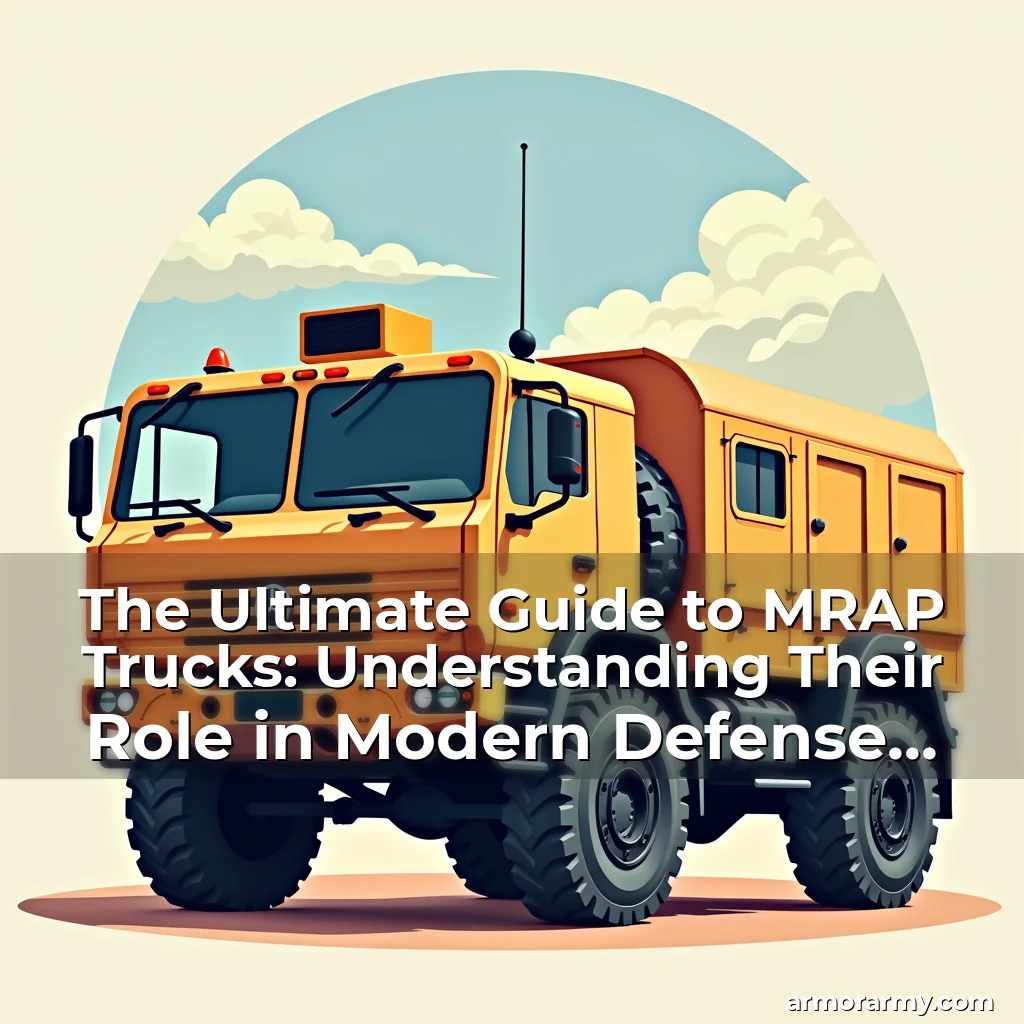
In recent years, the term “MRAP truck” has become synonymous with advanced military mobility and protection against improvised explosive devices (IEDs). These vehicles are not your typical armored cars; they represent cutting-edge engineering designed to ensure the safety of soldiers in high-risk environments.
Originally developed as a response to the increasing threat posed by IEDs during conflicts such as those in Iraq and Afghanistan, MRAP trucks have evolved into a staple of modern defense forces worldwide. Their unique design combines speed, agility, and robust security features that set them apart from conventional armored personnel carriers.
Origins and Development of MRAP Trucks
The concept of Mine-Resistant Ambush Protected (MRAP) vehicles emerged in the early 2000s amid rising concerns over roadside bombings. The U.S. Department of Defense initiated rapid development programs to address these threats, leading to the creation of specialized vehicles tailored for counter-IED operations.
Military contractors quickly responded by designing MRAP trucks with V-shaped hulls, which help deflect blast energy away from occupants. This innovation marked a significant shift in vehicle design philosophy, prioritizing crew survivability above traditional mobility considerations.
- V-Shaped Hull Design: This feature redirects blast force downward rather than toward the vehicle’s interior, significantly reducing injury risk.
- Rapid Deployment Capabilities: Many models include modular configurations allowing quick reconfiguration based on mission requirements.
Key Features That Define an MRAP Truck
An effective MRAP must balance protection with practicality. One defining characteristic is its ability to withstand both mine detonations and ambush attacks while maintaining operational efficiency across diverse terrains.
Beyond physical resilience, many modern MRAP variants incorporate advanced communication systems and surveillance equipment essential for real-time situational awareness. These enhancements allow crews to respond swiftly to potential threats without compromising their position.
Armor Specifications and Protection Levels
Depending on the model, MRAP trucks can be equipped with different levels of ballistic resistance ranging from light infantry protection up to full NBC (nuclear, biological, chemical) shielding capabilities.
For instance, the High Mobility Multipurpose Wheeled Vehicle (HMMWV), commonly known as the Humvee, was initially less protected but later received upgrades including additional steel plating and reactive armor packages.
Diverse Variants of MRAP Trucks
The versatility of MRAP technology allows for various specialized versions catering to distinct battlefield roles. From troop transporters to mobile command centers, each variant serves a unique function within military operations.
One notable example is the Joint Light Tactical Vehicle (JLTV), which represents next-generation improvements over older models by integrating enhanced armor, improved off-road performance, and upgraded electronic warfare suites.
Operational Advantages of Using MRAP Trucks
When deployed effectively, MRAP trucks offer several strategic benefits that enhance overall combat effectiveness. Their primary advantage lies in providing a safe means of transporting troops through hostile territory where traditional vehicles would be vulnerable.
Additionally, MRAPs often come equipped with remote-controlled weapon stations (RCWS), enabling gunners to engage targets safely from inside the vehicle. This capability minimizes exposure risks associated with direct engagement scenarios.
Tactical Applications Across Different Conflict Zones
MRAVs have been extensively used in asymmetric warfare settings characterized by non-state actors employing unconventional tactics. In regions like Syria and Ukraine, these vehicles play critical roles in urban and rural engagements alike.
Urban operations benefit particularly from MRAP capabilities due to the increased likelihood of encountering IEDs placed near civilian infrastructure. Specialized units rely heavily on these platforms for patrol missions requiring sustained presence in volatile areas.
Evolving Threat Landscape and Future Developments
As adversaries continue developing new forms of weaponry and attack strategies, ongoing research focuses on enhancing existing MRAP designs to meet emerging challenges. Innovations may include artificial intelligence integration for predictive threat analysis or autonomous driving features to reduce human error.
Potential future developments might also involve hybrid power solutions combining internal combustion engines with electric propulsion systems, offering greater fuel efficiency and reduced noise signatures crucial for stealth operations.
Safety Considerations and Crew Training
While MRAPs provide substantial protection, proper training remains vital for maximizing their effectiveness. Soldiers must understand how best to utilize onboard technologies and maintain readiness under pressure-filled situations.
Crew members receive extensive instruction covering everything from basic maintenance procedures to complex tactical maneuvers involving coordinated convoy movements. Regular drills reinforce muscle memory necessary for responding rapidly during emergencies.
Cost Implications and Procurement Strategies
The acquisition cost of MRAP trucks varies widely depending on specifications and production volume. Governments typically invest millions annually towards procuring fleets capable of sustaining long-term deployment cycles.
Some nations opt for domestic manufacturing partnerships while others pursue international collaborations aiming at cost-sharing agreements among allied states seeking similar defensive assets.
Environmental Impact and Sustainability Efforts
With growing emphasis on environmental stewardship, manufacturers increasingly explore eco-friendly alternatives without sacrificing protective integrity. Initiatives range from using recycled materials in construction processes to implementing waste reduction protocols during assembly lines.
Electrically powered prototypes currently under testing aim to decrease dependence on fossil fuels while simultaneously lowering emissions output compared to conventional diesel-powered counterparts.
Community Engagement and Public Perception
Public perception plays a significant role in shaping policies regarding armed forces procurement decisions. Open dialogues between defense agencies and local communities foster trust and support for national security initiatives.
Transparency efforts include showcasing technological advancements made possible through public funding investments aimed at improving soldier welfare conditions via better-equipped transportation options available today.
Conclusion
This exploration highlights why MRAP trucks remain indispensable tools within contemporary military arsenals despite evolving threats faced globally.
Understanding their multifaceted nature—from technical specifications down to broader socio-political implications—enables informed discussions around future defense planning priorities concerning mobility solutions suitable for any terrain challenge encountered abroad.