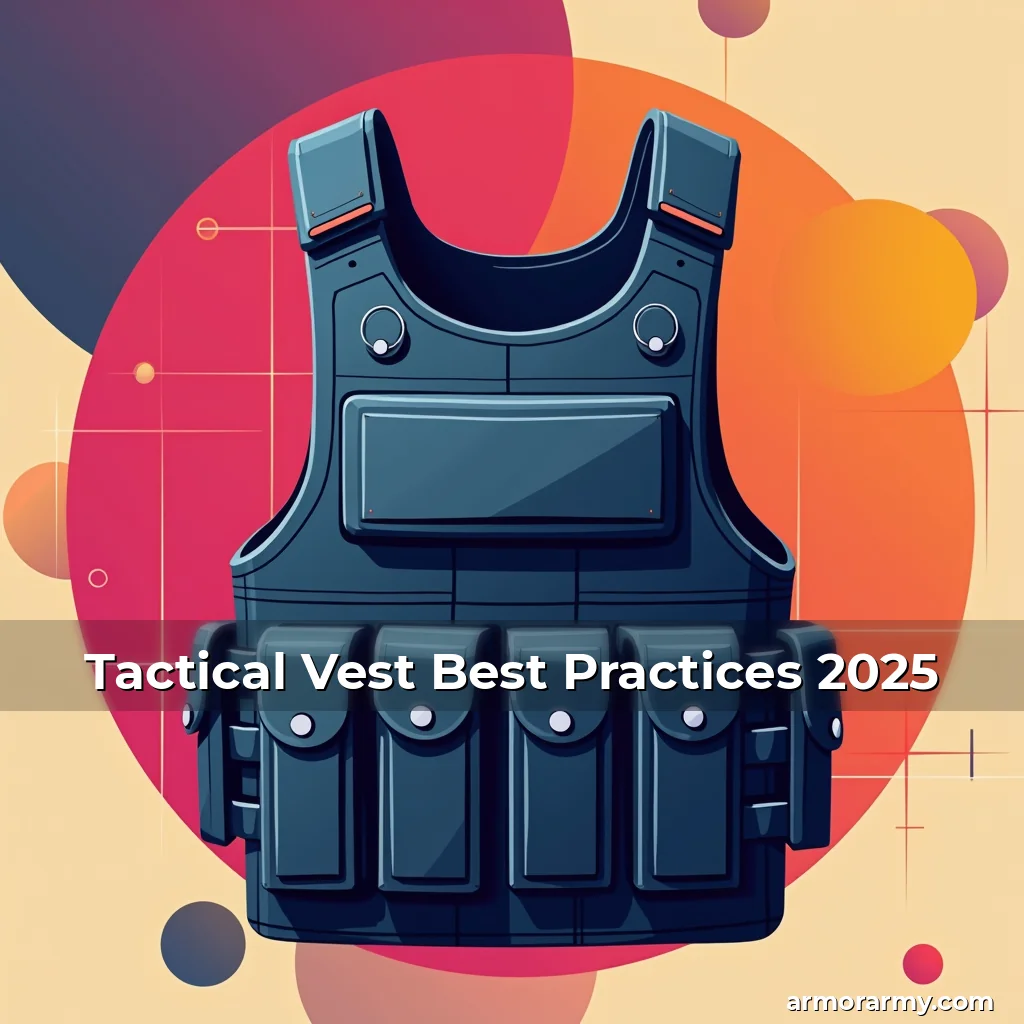
Tactical Vest Best Practices 2025
In an era where personal safety is paramount, tactical vests have evolved from simple gear to essential components of modern defense strategies. Whether you’re preparing for outdoor adventures, urban survival scenarios, or professional law enforcement duties, selecting the right tactical vest can mean the difference between security and vulnerability.
The year 2025 brings new innovations that redefine what we expect from tactical vests. From advanced materials to integrated technology features, understanding these developments ensures you stay ahead in any situation requiring protection and mobility.
Evolving Role of Tactical Vests
Tactical vests have transitioned from being purely defensive tools to multifunctional equipment designed for both utility and comfort. Modern designs now incorporate lightweight fabrics combined with high-performance ballistic protections, allowing wearers to move freely while remaining shielded against potential threats.
This evolution reflects changing operational needs across military personnel, first responders, and civilians who require reliable protection during emergencies. As situations become increasingly unpredictable, having adaptable gear becomes crucial for maintaining situational awareness and readiness at all times.
Manufacturers are responding by creating vests that offer not only enhanced protective capabilities but also improved ergonomics. Features such as adjustable straps, breathable panels, and modular attachment points contribute significantly towards user experience without compromising on safety standards.
A notable trend observed in recent years involves integrating smart technologies within traditional vest frameworks. These include GPS tracking systems embedded discreetly inside the fabric layers, enabling real-time location monitoring even under challenging conditions.
- Ballistic Protection Ratings: Understanding NIJ Level ratings helps determine appropriate coverage based on expected threat levels; higher numbers indicate greater resistance against projectiles.
- Material Innovations: Advanced polymers like Kevlar® or newer alternatives provide superior impact absorption properties compared to conventional steel plates used previously.
- Mobility Enhancements: Ergonomic design elements ensure freedom of movement necessary for combat operations or rescue missions involving physical exertion.
- Smart Integration: Embedded sensors allow monitoring vital signs or environmental hazards through connected devices accessible remotely.
Choosing the Right Tactical Vest for Your Needs
Selecting an ideal tactical vest begins with assessing individual requirements accurately. Factors including intended use cases – whether casual carry versus active duty – play pivotal roles in determining which model will best suit your lifestyle or profession.
Consideration must extend beyond basic functionality when evaluating options available today. Elements like weight distribution mechanisms influence long-term usability especially over extended periods spent wearing them continuously.
Vest sizing remains another critical factor often overlooked initially yet profoundly affects overall performance. Proper fit prevents discomfort issues arising due to ill-fitting garments which could lead to reduced effectiveness during critical moments.
To further assist users making informed decisions regarding their choice of vest type, consulting professionals specializing in protective clothing might prove beneficial particularly if unsure about specifications relevant specifically to one’s role.
Ballistic Protection Standards and Their Implications
Familiarizing oneself with standardized testing procedures employed globally ensures accurate interpretation of product labels indicating degrees of protection offered by various models sold commercially nowadays.
National Institute of Justice (NIJ) sets benchmark criteria defining how different types perform under controlled environments simulating realistic attack scenarios encountered regularly among those working hazardous jobs daily.
Certification marks displayed prominently on packaging serve dual purposes: they inform buyers about compliance status relative to established norms plus act as assurance concerning manufacturer adherence toward quality control measures strictly enforced industry-wide.
It’s worth noting however that despite rigorous evaluations conducted prior release dates, actual field performances may vary slightly depending upon factors such as age-related degradation affecting material integrity overtime unless maintained properly according to guidelines provided by makers themselves.
Different Levels of Ballistic Resistance
Understanding varying classifications enables consumers make educated choices matching precisely anticipated risks faced commonly within particular sectors involved heavily relying upon body armor solutions consistently.
Type IIA offers minimal shielding suitable primarily against low velocity rounds typically associated non-lethal confrontations whereas Type III provides robust enough safeguards sufficient repelling most handgun calibers frequently utilized crime scenes worldwide currently.
Type IV represents top-tier defense capable stopping rifle bullets although generally heavier bulkier than lower grade counterparts necessitating careful consideration relating tradeoffs between added mass burden versus increased survivability odds during lethal encounters.
Prioritizing correct level selection depends largely upon assessed danger profiles prevalent geographical regions inhabited individuals planning acquisition process itself ensuring optimal balance achieved between adequate defense provisions available resources allocated accordingly.
Materials Used in Contemporary Tactical Vests
Advancements made recently revolutionized construction techniques leading emergence cutting-edge composites enhancing durability simultaneously reducing overall weights considerably compared historical predecessors reliant solely metallic reinforcements alone.
Kevlar®, once dominant standard material chosen widely because exceptional tensile strength characteristics exhibited naturally occurring fibers derived plants originally developed mid-century now gradually replaced newer generations synthetic polymers offering similar benefits improved flexibility attributes.
Ultra-High Molecular Weight Polyethylene (UHMWPE), known commercially DuPont™ Dyneema®, stands out amongst competitors due remarkable combination lightness resilience surpasses traditional woven fabrics significantly improving wearer agility without sacrificing core functionalities required emergency response protocols.
Carbon fiber composites represent latest breakthroughs providing additional advantages besides weight reduction including electromagnetic interference suppression qualities useful contexts requiring secure communication channels intact throughout hostile surroundings potentially compromised otherwise.
Design Considerations Affecting Comfort & Mobility
Despite technological progressions aimed increasing efficiency regarding protective capabilities, achieving seamless integration between form function still poses considerable challenges manufacturers striving optimize end-user experiences consistently.
Strap configurations play vital role dictating ease adjustments needed accommodate diverse body shapes sizes effectively distributing pressure evenly minimizing localized stress concentrations areas prone fatigue development prolonged usage duration.
Breathable mesh inserts strategically placed key locations promote air circulation preventing excessive sweating buildup underneath layers contributing negatively morale concentration levels sustained effort periods.
Modular attachment systems facilitate customization according personal preferences augmenting base unit versatility accommodating accessories ranging holsters flashlight holders pouches tailored specific mission objectives pursued individually.
Integration of Smart Technologies Within Tactical Gear
Emerging trends spotlight growing interest embedding digital enhancements traditional protective apparel transforming static objects interactive platforms delivering real-time data crucial decision-making processes amidst dynamic threats unfolding rapidly around operators engaged frontline activities.
GPS locators incorporated internally enable precise geolocation tracking facilitating coordination efforts among team members operating dispersed locations simultaneously enhancing collective situational awareness dramatically.
Bio-sensors monitored heart rate respiration patterns alert medical staff promptly whenever anomalies detected early intervention possible preventing escalation injuries becoming life-threatening circumstances.
Communication modules built-in support encrypted transmissions guaranteeing confidentiality sensitive information exchanged securely regardless ambient noise disturbances typical battlefield conditions encountered routinely.
Training and Maintenance Protocols for Optimal Performance
Regular inspection routines scheduled periodically verify structural integrity confirm absence damage cracks tears threatening reliability assurances promised initial purchase agreements.
Cleaning procedures specified meticulously prevent accumulation debris dirt obstructive functioning mechanical parts responsible maintaining stability positioning critical components positioned correctly aligned consistently.
Lubrication applications applied sparingly moving joints reduce friction resistance prolong lifespan movable segments subjected repeated movements everyday wear cycles.
Storage conditions optimized away direct sunlight moisture sources preserve longevity materials exposed natural elements degrading prematurely impairing future utility potential indefinitely.
Environmental Impact and Sustainability Efforts in Manufacturing Processes
Increasing consciousness surrounding ecological footprints prompted numerous producers adopt eco-friendly methodologies aiming minimize waste emissions produced throughout lifecycle products distributed marketplaces internationally.
Recycling programs implemented encourage returning obsolete units processed responsibly extracting reusable elements reintegrated production lines decreasing reliance virgin raw materials consumed traditionally.
Biodegradable coatings experimented upon surfaces susceptible decomposition eventually disintegrating safely decomposing organic matter rather persisting harmful substances contaminating ecosystems adversely affected long-term.
Energy consumption tracked closely manufacturing facilities transitioning renewable power sources harness solar wind energies replacing fossil fuels previously depended extensively powering machinery involved assembly stages completed efficiently sustainably.
Future Trends Shaping Next Generation Tactical Equipment
Ongoing research pursuits focused developing self-healing materials possessing innate ability repair minor damages autonomously restoring full functional capacity instantly without external interventions normally required conventional restoration methods.
Nanotechnology applications explored microscopic scales manipulating atomic structures altering physical properties enhance performance metrics exceeding current benchmarks set industry leaders pioneering advancements sector historically.
Holistic approach embraced merging disparate technologies together forming unified systems addressing multidimensional aspects challenges faced contemporary users demanding versatile responses complex evolving landscapes encountered frequently.
Collaborative initiatives launched between governmental agencies private enterprises pooling expertise accelerating innovation rates expediting delivery timelines novel inventions reaching public domains sooner benefiting broader communities impacted regularly heightened security concerns present day society.
Conclusion
Tactical vests remain indispensable assets safeguarding lives confronting uncertain dangers looming ever-present reality global populations navigating increasingly volatile environments characterized unpredictability.
By staying abreast latest developments embracing forward-thinking approaches cultivating proactive mindset equipping oneself adequately prepared face whatever adversities await confidently assured capable overcoming obstacles successfully wherever deployed circumstances demand presence steadfast resolve unwavering determination.