Understanding Ballistic Helmets
A ballistic helmet is a type of headgear engineered to provide protection against high-velocity projectiles, blasts, and physical trauma. Unlike standard helmets used in sports or industrial settings, ballistic helmets are specifically constructed to withstand the rigors of combat and extreme environments. They are typically composed of advanced composite materials, including Kevlar, ceramics, and metals, which offer superior resistance to penetration and blunt force injuries.
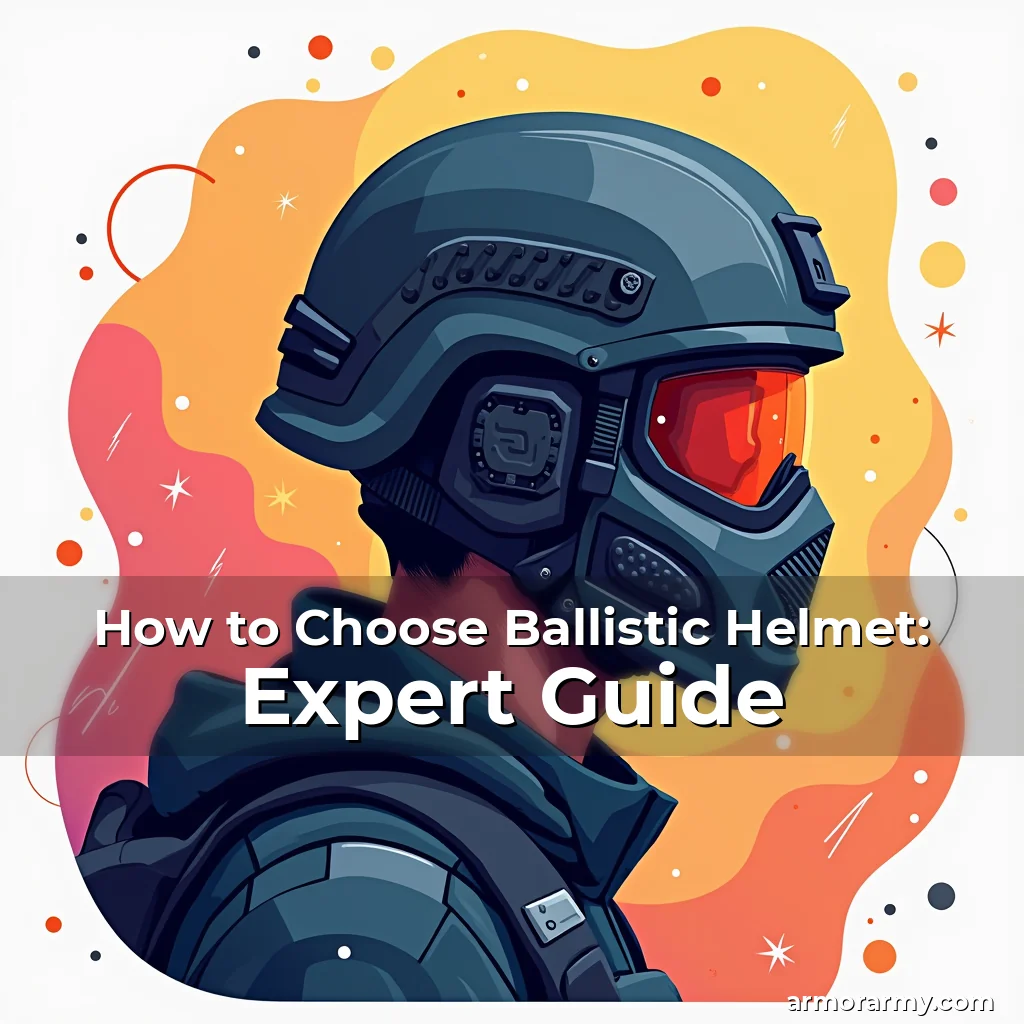
These helmets are not merely passive barriers; they incorporate sophisticated design elements to enhance both functionality and user experience. For instance, many modern models feature integrated visors, communication systems, and adjustable suspension mechanisms that allow for optimal fit and mobility. Additionally, they are often equipped with modular attachments, enabling users to customize their gear according to mission-specific requirements.
- Material Composition: Ballistic helmets utilize a combination of lightweight yet durable materials. Kevlar fibers, known for their tensile strength, form the primary structure, while ceramic plates add additional resistance against penetrating objects. Steel components may also be incorporated for enhanced protection in certain applications.
- Purpose and Application: These helmets serve diverse purposes beyond traditional military roles. Law enforcement agencies rely on them during active shooter incidents, riot control scenarios, and hostage negotiations. Civilians working in high-risk occupations such as firefighting or construction may also benefit from wearing ballistic helmets tailored to their specific hazards.
Types of Ballistic Helmets
Ballistic helmets vary widely depending on their intended use, level of protection, and technological advancements. One common classification is based on the National Institute of Justice (NIJ) standards, which categorize helmets into several levels ranging from IIA to IV. Each level corresponds to the degree of threat the helmet can withstand, allowing users to select the most appropriate option for their operational environment.
Another distinction lies within specialized variants catering to particular activities. Tactical helmets designed for military personnel often prioritize durability and compatibility with night vision goggles, body armor, and radios. Conversely, sport-specific helmets used in motorsports or extreme sports might focus more on aerodynamics and shock absorption rather than bulletproof qualities.
Categorizing Based on Threat Levels
Helmets rated under the NIJ standard represent varying degrees of protection against firearms calibers. Level II offers basic defense against low-powered handgun rounds, whereas Level III provides greater resilience against rifle fire from.223 Remington cartridges. At the highest end, Level IV helmets can resist shots fired by powerful rifles like the 7.62x51mm NATO round, making them ideal for elite units operating in high-threat areas.
Beyond standardized classifications exist custom-built versions crafted through independent manufacturers aiming to surpass conventional benchmarks. Such innovations frequently emerge from special forces programs experimenting with new composites or hybrid constructions blending organic polymers with synthetic compounds for improved performance characteristics.
Key Features & Specifications
When evaluating ballistic helmets, attention must be paid to key specifications that determine overall quality and suitability for specific tasks. Material composition plays a central role here; higher-grade Kevlar woven fabrics combined with reinforced polymer matrices tend to yield stronger outcomes compared to lower-quality alternatives commonly found in mass-produced models.
Ergonomic considerations significantly influence user satisfaction and effectiveness in real-world applications. Anatomically contoured shells ensure snug fits reducing slippage risk especially during intense movements typical among frontline operatives. Adjustable cheek pads alongside multi-point retention systems contribute towards achieving personalized comfort without sacrificing structural integrity.
- Impact Absorption Capabilities: Advanced designs employ layered structures incorporating energy-dissipating foam cores sandwiched between outer shell reinforcements. These configurations help mitigate concussive effects caused by blast waves or indirect hits via shrapnel debris.
- Mobility Enhancements: Innovations such as flexible neck collars coupled with articulated joint articulations enable natural movement patterns minimizing restriction while still providing robust safeguards against potential injuries resulting from sudden directional changes.
Selecting the Right Protection Level
Determining the correct protection level begins with assessing actual risks encountered regularly in one’s profession or recreational pursuits. Military personnel deployed overseas face far greater exposure than those stationed domestically hence necessitating higher-tier helmets capable of repelling heavy-caliber ammunition. Similarly individuals engaged in civil unrest situations require adequate shielding measures aligned with anticipated weaponry types present on scene.
Consultation resources available online facilitate comparisons amongst certified products listing relevant NIJ compliance data alongside technical parameters detailing thickness tolerances and tested projectile velocities. However caution remains paramount because some unscrupulous vendors may misrepresent product attributes leading consumers astray regarding genuine capabilities versus advertised claims.
Assessing Threat Scenarios
To accurately gauge required protection levels consider geographical locations frequented along with prevailing conflict dynamics existing thereat. Urban centers experiencing frequent terrorist attacks warrant consideration of Level IIIA rated gear whereas rural regions characterized by sporadic insurgent activity could suffice with lesser protections unless intelligence reports indicate imminent escalation.
Moreover environmental factors influencing choice extend beyond mere ballistic concerns. Extreme temperatures demand heat-resistant materials preventing melting episodes particularly prevalent during prolonged sun exposure scenarios impacting thermal conductivity properties adversely thereby diminishing efficacy substantially.
Comfort and Fit Considerations
Ensuring proper fit constitutes another pivotal aspect governing successful integration of ballistic helmets into daily routines irrespective whether serving actively or passively awaiting activation status updates concerning duty assignments. Ill-fitting headpieces increase likelihoods of dislodgement mid-operation potentially exposing vulnerable cranial regions to unforeseen dangers thereby negating entire purpose behind procurement efforts altogether.
Variety exists regarding sizing methodologies adopted industry-wide though most adhere closely similar principles involving measurement techniques centered around circumferential dimensions obtained through precise tools ensuring accurate representation devoid distortions attributable faulty execution methods employed manually otherwise.
- Adjustable Straps Systems: Modern iterations integrate quick-release buckles facilitating swift removal/replacement cycles crucial amidst dynamic field engagements demanding rapid transitions between defensive stances and offensive maneuvers.
- Interior Padding Options: Customizable lining inserts cater toward accommodating differing skull shapes maximizing contact surface area thus distributing applied pressures uniformly decreasing localized stress points susceptible causing discomfort fatigue accumulation overtime.
Maintenance and Care Instructions
Proper maintenance ensures longevity extending service lives considerably surpassing initial expectations derived solely upon manufacturing warranties alone. Regular inspections conducted periodically reveal early signs degradation manifesting visually identifiable anomalies like frayed edges or discolorations indicative compromised structural soundness requiring immediate replacement interventions regardless perceived insignificance initially observed phenomena.
Cleaning protocols follow strict guidelines formulated by original equipment manufacturers specifying permissible agents safe utilization preserving chemical stability inherent within fabric compositions utilized constructing exterior surfaces defining principal defense barrier functionalities effectively.
Storage Conditions Recommendations
Optimal storage conditions maintain pristine condition mitigating deterioration accelerated by improper handling practices commonplace within chaotic operational theaters lacking controlled climate regulation facilities accessible conveniently nearby bases located remote locations experiencing severe weather fluctuations regularly.
Humidity control becomes imperative component safeguarding against mold proliferation threatening adhesive bonds securing internal cushioning elements properly affixed within designated compartments destined receiving regular scrutiny assessments determining necessity reapplication procedures restoring optimal sealing efficiency previously established benchmarks prior installation phases commenced.
Testing and Certification Processes
Rigorous testing regimens authenticate authenticity validating compliance adherence stringent regulations enforced globally encompassing international treaties ratified multilateral agreements binding signatories obligate conformity mandatory thresholds delineated therein governing acceptable performance metrics measurable quantitatively verifiable scientifically irrefutable manner.
Laboratory simulations replicate battlefield conditions precisely replicating trajectories projectiles traversing mediums simulating atmospheric densities comparable encountered authentic combat circumstances thereby generating equivalent kinetic energies transferred impacting test subjects subjected evaluations conducted impartially unbiased entities entrusted authority administering certification proceedings.
- Independent Verification Agencies: Third-party institutions perform extensive analyses cross-referencing submitted samples against reference datasets maintained continuously updated reflecting latest advancements emerging technologies revolutionizing protective gear development landscape continually evolving rapidly adapting novel approaches addressing unprecedented challenges confronting contemporary security paradigms.
- Field Trials Integration: Practical trials conducted concurrently theoretical examinations guarantee holistic comprehension practical applicability derived empirical evidence gathered firsthand experiences corroborating laboratory findings aligning seamlessly together forming coherent narrative illustrating true capabilities attainable realistic contexts diverging substantially controlled environments.
Conclusion
In conclusion, selecting an appropriate ballistic helmet involves careful evaluation considering multitude variables spanning from fundamental protection necessities dictated situational demands through intricate nuances influencing day-to-day utility effectiveness ultimately culminating decision rooted firm foundation factual information grounded scientific principles guiding rational choices steering away misconceptions perpetuated misinformation disseminated unreliable sources.
Ultimately prioritization personal safety remains paramount factor shaping final determination despite economic constraints imposing limitations budgetary allocations available allocating funds judiciously directing investments towards acquiring gear fulfilling essential criteria meeting minimum threshold requirements ensuring survivability scenarios worst-case contingencies unfold unexpectedly without warning whatsoever.