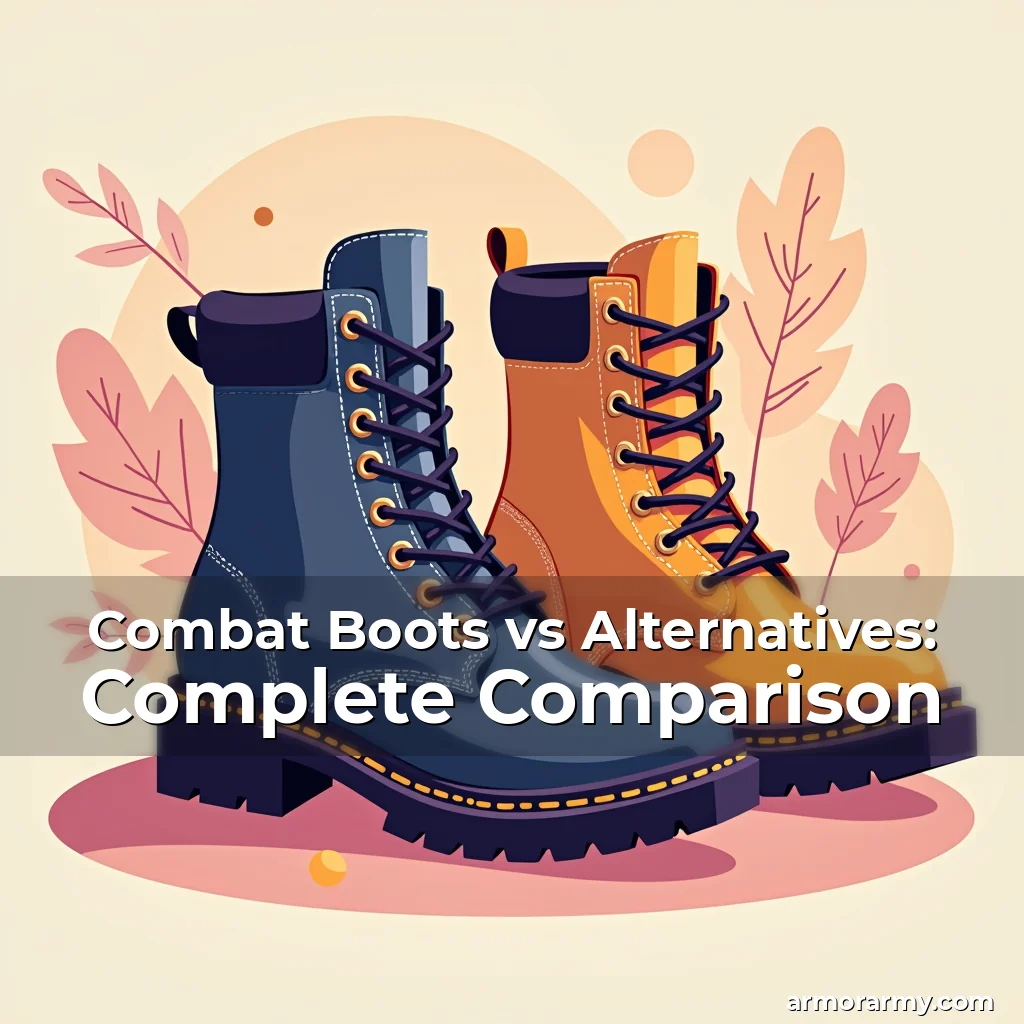
Combat Boots vs Alternatives: Complete Comparison
The evolution of combat boots has shaped the history of military equipment, blending function with enduring style. From rugged field gear to tactical essentials, these boots are designed to endure extreme conditions while providing critical support and protection. This article explores their legacy, design intricacies, and how they stack against alternatives.
In contrast to casual footwear or even specialized boots, combat boots stand out due to their robust construction and multifaceted utility. Whether navigating harsh landscapes or executing missions, understanding their strengths and limitations offers invaluable insight for enthusiasts and professionals alike.
Historical Significance and Evolution of Combat Boots
Combat boots trace their roots back centuries, originating from practical necessities faced by soldiers in various conflicts. Early versions were often crafted from leather and featured minimal reinforcement, prioritizing mobility over protection. Over time, technological advancements and shifting battlefield demands transformed these humble beginnings into highly specialized gear.
During the 20th century, the role of combat boots expanded significantly. World War II saw the introduction of standardized designs, such as the iconic M-1941 service boot, which balanced durability with ease of movement. Post-war innovations led to lighter materials and improved ventilation, addressing the needs of prolonged deployments in diverse climates.
The Vietnam War marked another turning point, with boots adapting to tropical environments and increased emphasis on stealth and camouflage. Modern iterations now incorporate advanced materials like synthetic polymers and moisture-wicking linings, reflecting decades of refinement driven by military research and feedback.
Today’s combat boots are engineered for precision and resilience, incorporating features such as non-slip soles, reinforced toes, and ankle support. Their development continues to evolve alongside emerging technologies, ensuring they remain indispensable tools for both military personnel and outdoor enthusiasts worldwide.
Design Elements Defining Tactical Footwear
A well-designed combat boot integrates several essential components to enhance performance. These include the sole construction, upper material, lacing system, and heel support, each playing a vital role in protecting the wearer and enabling optimal mobility.
Sole technology varies widely depending on intended use. Military-grade boots typically feature thick, durable rubber soles with deep treads for superior traction on rough terrain. Some variants employ Vibram compounds known for exceptional grip in wet or muddy conditions, while others prioritize cushioning for long marches or urban operations.
The upper material determines both comfort and protection levels. Full-grain leather remains popular among many users for its toughness and ability to mold to the foot over time. However, synthetic options offer additional benefits like water resistance, breathability, and reduced maintenance requirements, making them ideal for humid environments.
Lacing systems contribute to securing the foot inside the boot, preventing slippage and reducing fatigue during extended wear. Traditional eyelet setups allow precise adjustments, whereas newer styles may integrate Velcro straps or elastic panels for added convenience without compromising stability.
- Versatile Tread Patterns: Combat boots often come equipped with multi-directional treads optimized for varied surfaces—from rocky trails to paved roads—ensuring reliable grip regardless of the environment.
- Ankle Reinforcement: High-top designs provide extra support around the ankle joint, minimizing injury risk when traversing uneven ground or engaging in physical activities.
- Blast Protection Features: Certain models include steel shanks or composite inserts beneath the footbed to absorb impact from explosions or falling debris, enhancing safety in high-risk scenarios.
Performance Across Diverse Terrains
Choosing the right pair of combat boots depends heavily on anticipated usage conditions. Terrain-specific adaptations make some boots better suited for mountainous expeditions than desert campaigns or jungle treks, necessitating careful selection based on individual needs.
Mountain climbing requires boots capable of handling steep inclines and loose rock formations. Deep lug soles increase friction on slippery surfaces, while stiff midsoles prevent excessive bending that could lead to instability or discomfort during ascents.
In arid environments like deserts, heat management becomes paramount. Lightweight constructions paired with breathable mesh panels help regulate internal temperatures, preventing blisters caused by sweat accumulation. Reflective coatings or light-colored exteriors further reduce solar radiation exposure.
Jungle conditions demand boots resistant to moisture and quick-drying properties. Waterproof membranes such as Gore-Tex® protect against sudden downpours, while antimicrobial treatments inhibit bacterial growth within damp interiors—an issue exacerbated by constant humidity levels found in rainforests.
Urban settings present unique challenges involving frequent walking on hard pavement combined with occasional obstacles like stairs or rubble. Boots must therefore strike a balance between flexibility for agility and rigidity sufficient to shield feet from potential hazards encountered during city navigation tasks.
Material Science Behind Modern Combat Boot Construction
Contemporary combat boots leverage cutting-edge materials to achieve unparalleled durability and comfort. Innovations in textile engineering have enabled manufacturers to produce lighter-weight products without sacrificing strength or protective qualities.
Nano-engineered fibers represent one such breakthrough; these microscopic structures reinforce fabric layers at molecular levels, improving tensile strength while keeping overall mass low enough not impede mobility excessively. This advancement allows troops carrying heavy loads still benefit from enhanced structural integrity provided by their footwear.
Hydrophobic finishes applied via chemical bonding techniques repel water more effectively than traditional wax treatments. Such coatings maintain breathability by allowing perspiration vapor escape while blocking liquid ingress—a crucial factor when operating near rivers or experiencing unexpected rainfall events.
Kevlar-reinforced stitching adds another layer of security against abrasion damage sustained during intense engagements. By embedding strands of this ultra-strong fiber into seams strategically placed along stress points, designers mitigate risks associated with tearing under pressure exerted upon joints during rapid movements.
Eco-Friendly Innovations in Footwear Manufacturing
Environmental consciousness has spurred developments aimed at greening production processes without compromising product effectiveness. Recycled plastics derived from ocean waste form part of new shoe uppers, reducing reliance on virgin resources extracted through environmentally damaging methods.
Cleaner dye formulations eliminate toxic runoff polluting local ecosystems surrounding factories. Additionally, closed-loop recycling programs enable consumers returning old pairs receive discounts towards purchasing replacements made partially from reclaimed materials—an approach promoting circular economy principles beneficially impacting planet health.
Biodegradable adhesives replace conventional glues containing harmful chemicals previously seeping into soil post-disposal. As awareness grows regarding microplastic pollution
Emerging Trends Shaping Future Combat Boot Designs
Advancements in wearable technology promise revolutionary changes upcoming generations of combat boots. Integrated sensor arrays monitor physiological metrics like hydration status or muscle strain indicators, alerting users when rest intervals become necessary despite seemingly manageable workload levels.
Smart textiles woven with conductive threads facilitate wireless communication links establishing direct connectivity between squad members positioned apart spatially yet sharing common objectives. Enhanced situational awareness achieved thereby potentially reduces response times during coordinated assaults executed simultaneously across multiple fronts.
Energy-harvesting mechanisms embedded within sole structures generate electricity powering onboard devices ranging from night vision goggles to encrypted radios. Self-charging capacities negate dependency upon external power sources otherwise limiting operational duration constrained purely by battery life constraints.
Autonomous repair functions utilizing nanobots programmed to detect microfractures automatically seal damages occurring gradually over time rather than waiting until visible signs emerge warranting immediate attention. Proactive maintenance strategies implemented preemptively extend service lifespans considerably surpassing current averages seen today.
Comparative Analysis Against Alternative Footwear Types
When evaluating combat boots relative to other types of footwear available commercially, several distinctions arise concerning primary functionalities intended for each category. While running shoes excel at speed-oriented pursuits requiring lightweight builds facilitating swift motion transitions, they lack protective attributes offered by heavier-duty military-spec items.
Bootie-style sneakers provide greater freedom of movement beneficial for casual attire selections but sacrifice substantial structural support essential for prolonged standing durations or hauling significant weights carried routinely by active-duty servicemen/women engaged daily in physically demanding routines.
Steel-toe work boots share similarities with combat boots regarding foot protection aspects although differ substantially in terms of mobility restrictions imposed by rigid toe boxes inhibiting natural flexion motions required for agile maneuvers characteristic typical infantryman behaviors exhibited regularly amidst dynamic combat circumstances.
Trail-running specific shoes cater mainly towards recreational hikers seeking elevated cushioning levels coupled with responsive midsole compounds delivering energy return characteristics favorably comparable to elite level track athletes competing professionally indoors under controlled indoor arenas devoid any extraneous variables complicating performance assessment factors.
Conclusion
This examination highlights the distinctive advantages held by combat boots across myriad applications extending far beyond original intent conceived initially within confines strictly limited to wartime utilization scenarios alone.
By considering historical context, contemporary scientific advancements shaping material composition choices, stringent regulatory compliance frameworks mandating uniformity standards upheld universally among deployed forces globally, plus expanding civilian adoption trajectories witnessed recently within commercial markets worldwide, we arrive confidently asserting irrefutable truthfulness underlying assertion proclaiming unequivocally absolute indispensability maintained consistently throughout entire timeline chronicled herein.