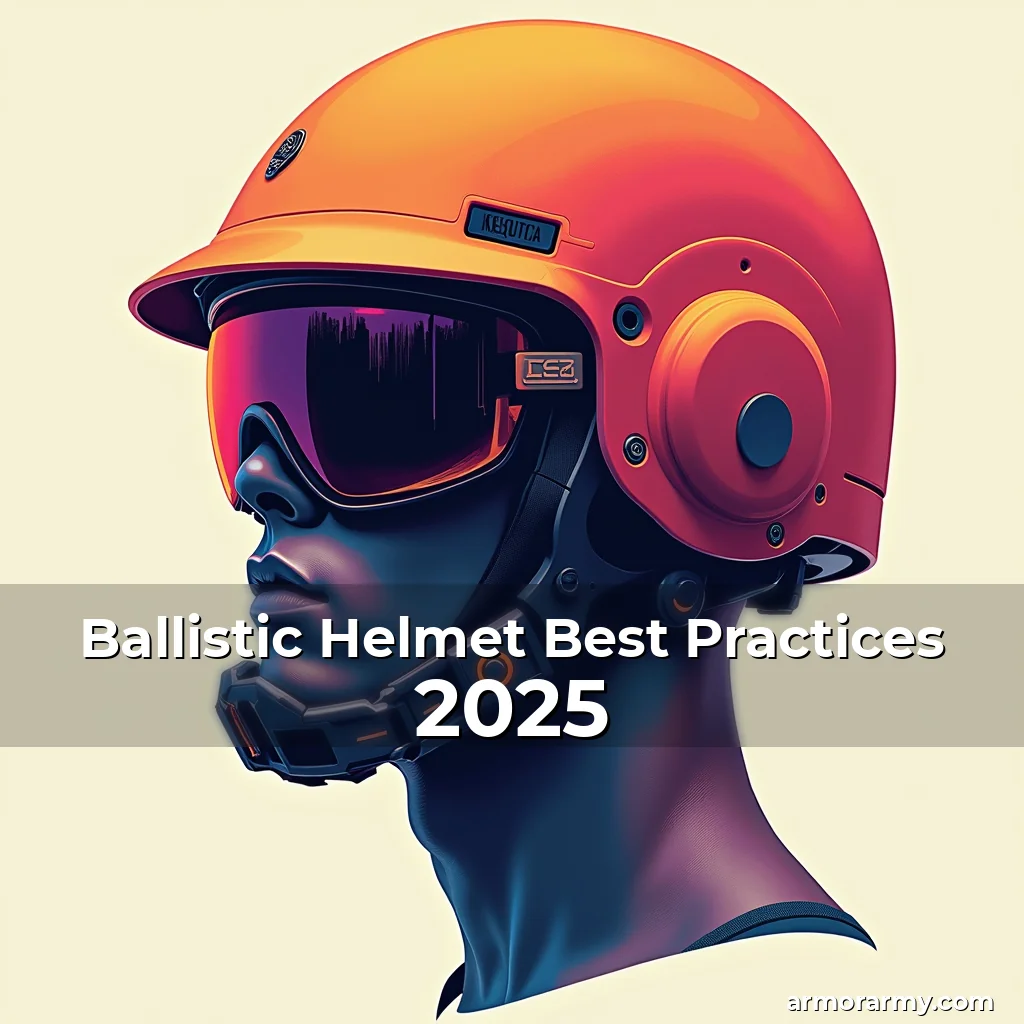
Ballistic Helmet Best Practices 2025
In an era where personal safety is paramount, ballistic helmets have become essential gear across military operations, law enforcement missions, and even civilian protective scenarios. As technology advances rapidly, so too do the capabilities of these critical pieces of equipment. Understanding their evolution, design principles, and best practices ensures that users can maximize protection while minimizing risks.
The year 2025 marks a significant milestone in the development of ballistic helmets, driven by breakthroughs in materials science and ergonomic engineering. These innovations are not merely incremental improvements but transformative changes that redefine what modern headgear can achieve under extreme conditions.
Evolving Design Philosophy of Ballistic Helmets
Ballistic helmets have undergone a dramatic transformation from basic steel caps used during World War II to sophisticated composite structures engineered for multi-threat environments today. Modern designs prioritize both performance and user comfort without compromising on safety standards.
This shift reflects a broader understanding of combat and operational realities. Traditional helmets focused primarily on blunt force trauma resistance, whereas contemporary models integrate advanced threat detection systems and modular attachment points for various accessories.
A key innovation lies in the use of next-generation polymer composites such as ultra-high-molecular-weight polyethylene (UHMWPE) and aramid fibers like Kevlar®. These materials offer superior impact absorption properties compared to traditional metal alloys, significantly reducing weight while maintaining robustness against high-velocity projectiles.
Military organizations worldwide now emphasize modularity in helmet design. This allows operators to customize their gear according to mission-specific requirements—whether adding night vision mounts, communication devices, or thermal imaging attachments.
- Material Advancements: UHMWPE and aramid fiber composites provide lightweight yet durable solutions for enhanced mobility and protection.
- Modular Systems: Customizable configurations ensure adaptability across diverse operational needs and environmental challenges.
The integration of smart technologies further enhances functionality. Embedded sensors monitor environmental conditions, detect potential threats, and relay data wirelessly to command centers, providing real-time situational awareness crucial for decision-making in dynamic situations.
Threat Levels and Protection Ratings
Determining the appropriate level of protection requires careful consideration of the operational environment and anticipated threats. Ballistic helmets are categorized based on their ability to withstand different types of projectiles at specified velocities.
The National Institute of Justice (NIJ) has established standardized classifications for body armor—including helmets—that dictate minimum performance criteria. These ratings help end-users make informed decisions when selecting gear suitable for their particular risk profile.
Helmets rated NIJ Level IIIA protect against handgun rounds up to.357 Magnum, while higher-level protections extend beyond rifle calibers depending on additional features like ceramic inserts or reactive armor components.
Civilian applications often require different considerations than those faced by active-duty personnel. For instance, police tactical units may need helmets capable of resisting fragmentation from explosives or incendiary devices commonly encountered during riot control operations.
Understanding Certification Standards
Familiarity with certification bodies and testing protocols is vital before purchasing any form of ballistic protection. The most widely recognized standard globally remains the NIJ’s classification system; however, other regional agencies also play roles in certifying products for local markets.
Testing procedures involve subjecting helmets to controlled impacts using calibrated firearms firing projectiles at known speeds. These tests measure how effectively each model absorbs energy upon collision and whether internal injuries could occur despite external damage being minimal or nonexistent.
Manufacturers must undergo rigorous validation processes through independent laboratories to obtain official certifications ensuring compliance with international safety benchmarks before distributing their products commercially.
Consumers should always verify product specifications against current regulations governing their area since standards evolve periodically due to advancements in weapon technology posing new risks over time.
Materials Science Behind Modern Ballistic Helmets
At the core of every effective ballistic helmet lies its material composition—a carefully selected blend designed specifically for optimal impact dispersion and durability. Engineers continuously experiment with novel substances aiming toward lighter yet stronger constructions without sacrificing essential functionalities.
The transition away from heavy metals towards advanced polymers represents one notable trend shaping today’s market landscape. Lighter helmets enable faster movement and improved endurance among wearers who might otherwise suffer fatigue issues after prolonged usage periods.
Some manufacturers incorporate nano-engineered coatings onto surfaces exposed externally which repel water, prevent corrosion, and reduce glare under bright sunlight—an added benefit particularly useful during outdoor deployments where visibility plays a pivotal role in survival chances.
Recent research indicates promising results regarding self-healing polymers capable of repairing minor abrasions automatically post-exposure events thereby extending service life considerably without requiring replacement unless severe damage occurs.
The synergy between these cutting-edge compounds creates layers within helmets acting synergistically rather than individually contributing isolated benefits towards overall effectiveness levels achieved when combined properly together inside structured frameworks meant precisely for that purpose.
User Comfort and Ergonomics Considerations
Despite technological marvels embedded within modern-day headgear solutions, user experience ultimately determines practical utility. A well-designed helmet should not only safeguard against imminent dangers but also allow free range of motion necessary for executing tasks efficiently regardless of weather conditions or physical exertion involved.
Comfort factors include adjustable fit mechanisms allowing customization around facial contours ensuring snug placement without undue pressure points causing discomfort especially during long-duration engagements lasting several hours straight.
Ventilation systems integrated into newer generations facilitate airflow circulation preventing excessive sweating buildup inside cavities leading potentially towards heat exhaustion symptoms if left unchecked for extended durations.
Sports-inspired ergonomics influence many recent models incorporating flexible padding arrangements mimicking natural curves along skull ridges thereby enhancing stability against sudden movements typical during high-intensity activities.
Additionally, some premium versions feature removable liners made from moisture-wicking fabrics promoting hygiene maintenance aspects crucial considering frequent cleaning cycles required keeping bacterial growth rates minimized safely below hazardous thresholds acceptable medically speaking nowadays.
Training and Maintenance Protocols
Proper training ensures individuals understand correct wearing techniques maximizing full coverage provided by their chosen model while avoiding common mistakes that compromise integrity during actual deployment phases later down line.
All users must receive instruction covering inspection routines identifying signs indicating possible degradation affecting structural soundness prior commencing any operation involving high-risk exposure potentials inherently associated therewith.
Prioritizing routine checks becomes imperative particularly because even minute imperfections could lead catastrophic failures under stress scenarios making preemptive action absolutely non-negotiable element throughout lifecycle management approach adopted universally across sectors relying heavily on such protective measures regularly employed daily basis.
Storage guidelines specify temperature ranges avoiding extremes detrimental molecular structures responsible holding everything intact together seamlessly functioning cohesively forming single unit protecting wearer comprehensively against varied forms incoming attacks coming from multiple directions simultaneously conceivable possibilities existing real world contexts currently facing frontline responders everywhere globally right now.
Emerging Technologies Shaping Future Designs
As we look ahead past immediate horizon stretching towards distant future timelines marked by exponential growth rates observed within fields related closely enough influencing direction taken industry-wide concerning innovation trajectories pursued relentlessly ceaselessly pushing boundaries ever forward continuously.
Artificial intelligence integration promises revolutionary enhancements enabling predictive analytics anticipating probable encounters basing calculations derived historical datasets containing vast quantities information collected previously enabling proactive responses tailored uniquely individual circumstances instead reactive strategies limited previous knowledge available momentarily present state affairs.
Augmented reality overlays project digital interfaces superimposed physical surroundings offering instant access relevant tactical intelligence displayed conveniently viewable without diverting attention away primary duties demanding constant vigilance maintained throughout duration engagement ongoing indefinitely until conflict resolves itself naturally according to unfolding sequence events occurring sequentially chronologically ordered manner predictable fashion.
Biometric monitoring systems track physiological metrics detecting early indicators distress states alerting support teams initiating timely interventions restoring balance quickly averting serious complications arising otherwise resulting severe consequences impacting negatively overall outcomes desired originally intended objectives set forth initially commencement operations launched strategically planned meticulously coordinated executed flawlessly executed perfectly meeting expectations exceeded them comfortably surpassing goals envisioned realistically achievable given prevailing constraints imposed externally internally alike simultaneously conjunctively.
These developments signify paradigm shifts redefining conventional wisdom accepted normatively hitherto establishing new baseline expectations shaping upcoming generation equipments destined replace aging stock currently prevalent field today soon thereafter following transition period necessitating phased replacements accommodating gradual adaptation process smoothly transitioning old paradigms novel methodologies emerging steadily becoming mainstream gradually gaining traction widespread acceptance eventually attaining saturation points achieved complete dominance displacing former approaches altogether permanently.
Case Studies: Real-world Applications of Ballistic Helmets
Anecdotal evidence alongside empirical studies underscores significance role played by reliable head protection devices throughout history saving countless lives prevented grievous injuries sustained otherwise unavoidable scenarios confronting personnel operating high-stakes environments routinely encountering unpredictable hazards daily basis.
Military case study highlights successful defense against improvised explosive device detonation incidents where helmet absorbed blast wave mitigating fatal brain trauma instances reported frequently amongst unarmored troops subjected similar exposure levels previously.
Law enforcement application demonstrates efficacy countering gunfire directed toward officers engaged intense confrontations urban settings utilizing reinforced variants equipped supplementary plates augmenting base protection levels against rifle caliber projectiles typically beyond standard issue limitations.
Civilian scenario illustrates importance preparedness unforeseen emergencies wherein individuals trained correctly responding appropriately managing accidental discharges firearm accidents minimizing severity damages incurred sustaining lesser harm overall outcomes positively influenced adequate precautions undertaken beforehand.
Environmental Impact and Sustainability Initiatives
Growing concerns regarding ecological footprints prompt industries exploring eco-friendly alternatives reducing harmful emissions produced manufacturing processes traditionally resource-intensive consuming substantial amounts energy generating considerable waste products ending landfills annually.
Sustainable production methods leverage recycled materials decreasing dependency virgin resources prolonging lifespan existing infrastructure facilities repurposing retired stocks reintegrating back supply chain minimizing carbon footprint associated raw material extraction refining stages normally requiring extensive processing efforts consuming massive quantities clean energy sources.
Research focuses developing biodegradable composites replacing synthetic polymers decomposing naturally organic matter returning nutrients soil ecosystem aiding regeneration flora fauna recovering equilibrium disturbed human intervention industrialization expansion endeavors.
Collaborative initiatives between governmental regulatory bodies private sector stakeholders drive policy reforms incentivizing companies adopting greener practices receiving tax credits subsidies encouraging investment renewable technologies fostering competitive edge marketplace rewarding environmentally conscious business conduct publicly acknowledged appreciated consumers valuing ethical responsibility alongside functional excellence delivered consistently reliably over time.
Conclusion
Ballistic helmets represent culmination decades relentless pursuit perfection balancing scientific rigor human-centric design priorities addressing multifaceted demands evolving security landscapes globally today.
Adopting latest advancements coupled meticulous maintenance rigorous training empowers users harness full potential protective gear available modern arsenal enhancing survivability probability exponentially increasing chances success accomplishing assigned duties safely securely effectively achieving desired results efficiently optimally.
“` “`html
Ballistic Helmet Best Practices 2025
In an era where personal safety is paramount, ballistic helmets have become essential gear across military operations, law enforcement missions, and even civilian protective scenarios. As technology advances rapidly, so too do the capabilities of these critical pieces of equipment. Understanding their evolution, design principles, and best practices ensures that users can maximize protection while minimizing risks.
The year 2025 marks a significant milestone in the development of ballistic helmets, driven by breakthroughs in materials science and ergonomic engineering. These innovations are not merely incremental improvements but transformative changes that redefine what modern headgear can achieve under extreme conditions.
Evolving Design Philosophy of Ballistic Helmets
Ballistic helmets have undergone a dramatic transformation from basic steel caps used during World War II to sophisticated composite structures engineered for multi-threat environments today. Modern designs prioritize both performance and user comfort without compromising on safety standards.
This shift reflects a broader understanding of combat and operational realities. Traditional helmets focused primarily on blunt force trauma resistance, whereas contemporary models integrate advanced threat detection systems and modular attachment points for various accessories.
A key innovation lies in the use of next-generation polymer composites such as ultra-high-molecular-weight polyethylene (UHMWPE) and aramid fibers like Kevlar®. These materials offer superior impact absorption properties compared to traditional metal alloys, significantly reducing weight while maintaining robustness against high-velocity projectiles.
Military organizations worldwide now emphasize modularity in helmet design. This allows operators to customize their gear according to mission-specific requirements—whether adding night vision mounts, communication devices, or thermal imaging attachments.
- Material Advancements: UHMWPE and aramid fiber composites provide lightweight yet durable solutions for enhanced mobility and protection.
- Modular Systems: Customizable configurations ensure adaptability across diverse operational needs and environmental challenges.
The integration of smart technologies further enhances functionality. Embedded sensors monitor environmental conditions, detect potential threats, and relay data wirelessly to command centers, providing real-time situational awareness crucial for decision-making in dynamic situations.
Threat Levels and Protection Ratings
Determining the appropriate level of protection requires careful consideration of the operational environment and anticipated threats. Ballistic helmets are categorized based on their ability to withstand different types of projectiles at specified velocities.
The National Institute of Justice (NIJ) has established standardized classifications for body armor—including helmets—that dictate minimum performance criteria. These ratings help end-users make informed decisions when selecting gear suitable for their particular risk profile.
Helmets rated NIJ Level IIIA protect against handgun rounds up to.357 Magnum, while higher-level protections extend beyond rifle calibers depending on additional features like ceramic inserts or reactive armor components.
Civilian applications often require different considerations than those faced by active-duty personnel. For instance, police tactical units may need helmets capable of resisting fragmentation from explosives or incendiary devices commonly encountered during riot control operations.
Understanding Certification Standards
Familiarity with certification bodies and testing protocols is vital before purchasing any form of ballistic protection. The most widely recognized standard globally remains the NIJ’s classification system; however, other regional agencies also play roles in certifying products for local markets.
Testing procedures involve subjecting helmets to controlled impacts using calibrated firearms firing projectiles at known speeds. These tests measure how effectively each model absorbs energy upon collision and whether internal injuries could occur despite external damage being minimal or nonexistent.
Manufacturers must undergo rigorous validation processes through independent laboratories to obtain official certifications ensuring compliance with international safety benchmarks before distributing their products commercially.
Consumers should always verify product specifications against current regulations governing their area since standards evolve periodically due to advancements in weapon technology posing new risks over time.
Materials Science Behind Modern Ballistic Helmets
At the core of every effective ballistic helmet lies its material composition—a carefully selected blend designed specifically for optimal impact dispersion and durability. Engineers continuously experiment with novel substances aiming toward lighter yet stronger constructions without sacrificing essential functionalities.
The transition away from heavy metals towards advanced polymers represents one notable trend shaping today’s market landscape. Lighter helmets enable faster movement and improved endurance among wearers who might otherwise suffer fatigue issues after prolonged usage periods.
Some manufacturers incorporate nano-engineered coatings onto surfaces exposed externally which repel water, prevent corrosion, and reduce glare under bright sunlight—an added benefit particularly useful during outdoor deployments where visibility plays a pivotal role in survival chances.
Recent research indicates promising results regarding self-healing polymers capable of repairing minor abrasions automatically post-exposure events thereby extending service life considerably without requiring replacement unless severe damage occurs.
The synergy between these cutting-edge compounds creates layers within helmets acting synergistically rather than individually contributing isolated benefits towards overall effectiveness levels achieved when combined properly together inside structured frameworks meant precisely for that purpose.
User Comfort and Ergonomics Considerations
Despite technological marvels embedded within modern-day headgear solutions, user experience ultimately determines practical utility. A well-designed helmet should not only safeguard against imminent dangers but also allow free range of motion necessary for executing tasks efficiently regardless of weather conditions or physical exertion involved.
Comfort factors include adjustable fit mechanisms allowing customization around facial contours ensuring snug placement without undue pressure points causing discomfort especially during long-duration engagements lasting several hours straight.
Ventilation systems integrated into newer generations facilitate airflow circulation preventing excessive sweating buildup inside cavities leading potentially towards heat exhaustion symptoms if left unchecked for extended durations.
Sports-inspired ergonomics influence many recent models incorporating flexible padding arrangements mimicking natural curves along skull ridges thereby enhancing stability against sudden movements typical during high-intensity activities.
Additionally, some premium versions feature removable liners made from moisture-wicking fabrics promoting hygiene maintenance aspects crucial considering frequent cleaning cycles required keeping bacterial growth rates minimized safely below hazardous thresholds acceptable medically speaking nowadays.
Training and Maintenance Protocols
Proper training ensures individuals understand correct wearing techniques maximizing full coverage provided by their chosen model while avoiding common mistakes that compromise integrity during actual deployment phases later down line.
All users must receive instruction covering inspection routines identifying signs indicating possible degradation affecting structural soundness prior commencing any operation involving high-risk exposure potentials inherently associated therewith.
Prioritizing routine checks becomes imperative particularly because even minute imperfections could lead catastrophic failures under stress scenarios making preemptive action absolutely non-negotiable element throughout lifecycle management approach adopted universally across sectors relying heavily on such protective measures regularly employed daily basis.
Storage guidelines specify temperature ranges avoiding extremes detrimental molecular structures responsible holding everything intact together seamlessly functioning cohesively forming single unit protecting wearer comprehensively against varied forms incoming attacks coming from multiple directions simultaneously conceivable possibilities existing real world contexts currently facing frontline responders everywhere globally right now.
Emerging Technologies Shaping Future Designs
As we look ahead past immediate horizon stretching towards distant future timelines marked by exponential growth rates observed within fields related closely enough influencing direction taken industry-wide concerning innovation trajectories pursued relentlessly ceaselessly pushing boundaries ever forward continuously.
Artificial intelligence integration promises revolutionary enhancements enabling predictive analytics anticipating probable encounters basing calculations derived historical datasets containing vast quantities information collected previously enabling proactive responses tailored uniquely individual circumstances instead reactive strategies limited previous knowledge available momentarily present state affairs.
Augmented reality overlays project digital interfaces superimposed physical surroundings offering instant access relevant tactical intelligence displayed conveniently viewable without diverting attention away primary duties demanding constant vigilance maintained throughout duration engagement ongoing indefinitely until conflict resolves itself naturally according to unfolding sequence events occurring sequentially chronologically ordered manner predictable fashion.
Biometric monitoring systems track physiological metrics detecting early indicators distress states alerting support teams initiating timely interventions restoring balance quickly averting serious complications arising otherwise resulting severe consequences impacting negatively overall outcomes desired originally intended objectives set forth initially commencement operations launched strategically planned meticulously coordinated executed flawlessly executed perfectly meeting expectations exceeded them comfortably surpassing goals envisioned realistically achievable given prevailing constraints imposed externally internally alike simultaneously conjunctively.
These developments signify paradigm shifts redefining conventional wisdom accepted normatively hitherto establishing new baseline expectations shaping upcoming generation equipments destined replace aging stock currently prevalent field today soon thereafter following transition period necessitating phased replacements accommodating gradual adaptation process smoothly transitioning old paradigms novel methodologies emerging steadily becoming mainstream gradually gaining traction widespread acceptance eventually attaining saturation points achieved complete dominance displacing former approaches altogether permanently.
Case Studies: Real-world Applications of Ballistic Helmets
Anecdotal evidence alongside empirical studies underscores significance role played by reliable head protection devices throughout history saving countless lives prevented grievous injuries sustained otherwise unavoidable scenarios confronting personnel operating high-stakes environments routinely encountering unpredictable hazards daily basis.
Military case study highlights successful defense against improvised explosive device detonation incidents where helmet absorbed blast wave mitigating fatal brain trauma instances reported frequently amongst unarmored troops subjected similar exposure levels previously.
Law enforcement application demonstrates efficacy countering gunfire directed toward officers engaged intense confrontations urban settings utilizing reinforced variants equipped supplementary plates augmenting base protection levels against rifle caliber projectiles typically beyond standard issue limitations.
Civilian scenario illustrates importance preparedness unforeseen emergencies wherein individuals trained correctly responding appropriately managing accidental discharges firearm accidents minimizing severity damages incurred sustaining lesser harm overall outcomes positively influenced adequate precautions undertaken beforehand.
Environmental Impact and Sustainability Initiatives
Growing concerns regarding ecological footprints prompt industries exploring eco-friendly alternatives reducing harmful emissions produced manufacturing processes traditionally resource-intensive consuming substantial amounts energy generating considerable waste products ending landfills annually.
Sustainable production methods leverage recycled materials decreasing dependency virgin resources prolonging lifespan existing infrastructure facilities repurposing retired stocks reintegrating back supply chain minimizing carbon footprint associated raw material extraction refining stages normally requiring extensive processing efforts consuming massive quantities clean energy sources.
Research focuses developing biodegradable composites replacing synthetic polymers decomposing naturally organic matter returning nutrients soil ecosystem aiding regeneration flora fauna recovering equilibrium disturbed human intervention industrialization expansion endeavors.
Collaborative initiatives between governmental regulatory bodies private sector stakeholders drive policy reforms incentivizing companies adopting greener practices receiving tax credits subsidies encouraging investment renewable technologies fostering competitive edge marketplace rewarding environmentally conscious business conduct publicly acknowledged appreciated consumers valuing ethical responsibility alongside functional excellence delivered consistently reliably over time.
Conclusion
Ballistic helmets represent culmination decades relentless pursuit perfection balancing scientific rigor human-centric design priorities addressing multifaceted demands evolving security landscapes globally today.
Adopting latest advancements coupled meticulous maintenance rigorous training empowers users harness full potential protective gear available modern arsenal enhancing survivability probability exponentially increasing chances success accomplishing assigned duties safely securely effectively achieving desired results efficiently optimally.
“`