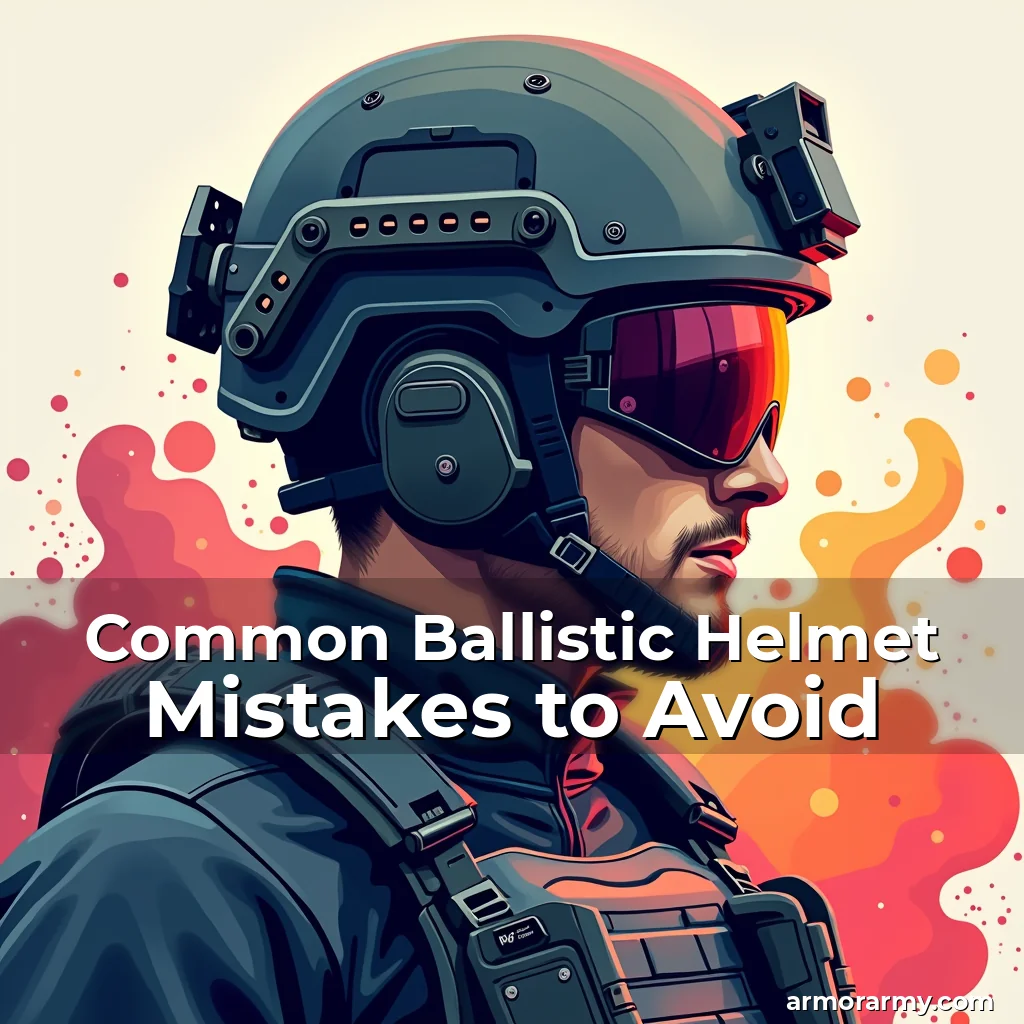
Common Ballistic Helmet Mistakes to Avoid
The modern battlefield demands gear that can withstand extreme conditions while offering optimal protection. Among the most critical pieces of equipment is the ballistic helmet, designed to safeguard against high-velocity projectiles and blasts from improvised explosive devices (IEDs). However, even the best helmets are rendered ineffective when used incorrectly.
Mistakes in selection, maintenance, or usage patterns can compromise safety significantly. Whether you’re an active military personnel, law enforcement officer, or part of a civilian defense group, understanding these common pitfalls is essential for maximizing your helmet’s performance and longevity.
Selecting the Wrong Size or Fit
A properly fitting ballistic helmet is crucial for both comfort and effectiveness. A helmet that doesn’t fit well may shift during movement, reducing its protective capabilities in critical situations. This misalignment could expose vulnerable areas of the head to potential harm.
To ensure a correct fit, measure your head circumference accurately using a flexible measuring tape. Compare this measurement to the manufacturer’s size chart before purchasing. Always test the helmet by wearing it without any additional gear first.
- Measure precisely: Head measurements vary slightly between individuals; take the time to get accurate numbers.
- Prioritize comfort: While snugness matters, excessive tightness can cause discomfort leading to improper wear over time.
Some manufacturers offer adjustable retention systems such as ratchet straps or dial adjustments which allow fine-tuning once fitted correctly. These features help maintain consistent pressure distribution across the skull surface area.
Ignoring the importance of proper sizing often leads users down a path where they prioritize aesthetics or convenience rather than actual protection needs. Remember that there is no standard one-size-fits-all solution here.
Overlooking Certification Standards
Not all ballistic helmets meet international standards for protection levels. Many off-the-shelf options available online do not undergo rigorous testing required by recognized organizations like NIJ (National Institute of Justice) or EN (European Norm).
Helmets certified under these programs have undergone extensive evaluation against various threats including bullets fired at different velocities and blast pressures associated with IED detonations. Non-certified helmets might provide false sense of security due to misleading marketing claims.
Beware of products claiming to be’military grade’ but lacking official certification marks. True military-grade helmets will carry visible insignias indicating compliance with established protocols.
Always verify certifications through reliable sources such as government websites or authorized retailers who exclusively sell verified protective gear items.
Failing to Inspect Regularly
Regular inspection routines form a vital aspect of maintaining functional integrity within any piece of personal armor system. Over time, minor damages accumulate unnoticed unless systematic checks become routine practice.
Look closely at each component – from visor attachments to chinstraps – ensuring everything remains secure and free from cracks or deformities caused by repeated use or accidental impacts.
Degree of damage varies depending upon exposure level; however, even small imperfections can weaken structural rigidity considerably affecting overall performance metrics negatively.
Establish a schedule based on operational frequency guidelines provided by manufacturers regarding recommended intervals between thorough inspections sessions.
Neglecting Proper Cleaning Procedures
Cleaning methods employed play direct role in determining lifespan expectancy along side functionality aspects related towards future utility value retained post-maintenance cycles.
Use only mild soap solutions mixed with clean water instead opting harsh chemicals capable dissolving necessary coatings applied during manufacturing process aimed enhancing durability characteristics inherently present material composition itself.
Never submerge entire unit inside liquid containers since internal electronics components may suffer irreparable consequences resulting complete failure modes rendering previously viable asset useless permanently thereafter.
Rinse thoroughly after cleaning steps undertaken ensuring removal residual substances left behind potentially causing corrosion issues later stages utilization timeline.
Incorrect Storage Conditions
Proper storage environment significantly influences preservation efforts made toward retaining original condition state prior deployment scenarios encountered real-world applications contexts.
Avoid exposing helmets near heat sources or direct sunlight because prolonged contact increases risk degradation occurring polymer compounds forming base structure framework utilized construction purposes specifically designed resisting penetration attempts originating external aggression vectors targeting human cranial regions.
Store units preferably upright position allowing adequate airflow circulation preventing moisture accumulation promoting mold growth damaging exterior finishes compromising visual appeal aside physical robustness parameters equally affected detrimental manner similarly noted earlier points discussed concerning maintenance requirements.
Utilize breathable fabric covers rather plastic bags which trap humidity creating ideal breeding ground bacteria colonies thriving underneath confined spaces leading eventual deterioration processes accelerated timelines compared ambient air exposed counterparts stored differently otherwise.
Using Outdated Models Without Upgrades
Advancements continue occurring rapidly field relating technological innovations introduced regularly updating existing designs incorporating latest research findings discovered through ongoing experimental studies conducted globally among relevant scientific communities involved development phases new generation protective apparatuses.
Outdated models lack enhancements developed subsequent releases addressing shortcomings identified previous iterations thereby failing deliver same degree reliability expected contemporary versions currently deployed frontline operations worldwide.
Manufacturers periodically release updated variants featuring improved materials compositions combined enhanced ergonomic layouts facilitating better user experience outcomes measured subjective satisfaction ratings collected feedback mechanisms integrated product lifecycle management strategies implemented effectively.
Stay informed about current model specifications via official channels maintained producers ensuring awareness latest developments enabling timely replacements whenever necessary circumstances arise necessitating upgrade decisions taken promptly avoiding unnecessary risks borne outdated technology limitations.
Improper Adjustment Techniques
Adjustment techniques determine how securely fastened helmet sits atop wearer’s head influencing stability factors critical moments requiring absolute immobility amidst chaotic environments frequently experienced combat zones.
Inadequate tightening procedures result loose fittings permitting undue motion relative skull movements increasing chances injury occurrence especially severe blows directed targeted locations unprotected gaps formed improperly secured configurations.
Leverage adjustable retention systems offered modern designs adjusting tension according individual preferences balancing snugness necessity versus comfort considerations simultaneously addressed optimally.
Refer technical manuals accompanying purchased units containing step-by-step instructions detailing precise methodology achieving desired fit levels tailored personal anatomical structures ensuring universal applicability across diverse demographic groups represented end-users categories encompassed broader spectrum population utilizing similar types protective equipment solutions.
Disregarding Additional Protective Accessories
While primary function revolves around shielding cerebral tissues from penetrating forces generated projectile impact events, secondary accessories contribute substantially augmenting overall efficacy achieved composite protection strategy devised professionals specializing domain expertise.
Vision enhancement tools such as visors equipped anti-scratch treatments coupled polarized filters mitigate glare interference improving situational awareness capacities essential decision-making sequences executed split-second reaction times demanded dynamic threat landscapes characterized unpredictability elements.
Communication modules embedded within earpieces facilitate seamless coordination amongst team members operating complex missions demanding synchronized actions executed flawlessly irrespective environmental variables disrupting conventional auditory signals transmitted traditionally unaided means.
These supplementary features should never considered optional additions merely aesthetic embellishments providing superficial allure devoid substantive contribution core defensive functionalities originally intended purpose design objectives initially conceived engineering blueprints guiding production assembly lines transforming raw materials into finished goods ready deployment scenarios.
Conclusion
Ballistic helmets remain indispensable element modern tactical arsenal empowering individuals navigate hostile territories safely executing duties entrusted respective roles assigned professional capacities.
By steering clear aforementioned pitfalls outlined throughout preceding discourse, users enhance probability survival encounters hazardous incidents occurring unpredictable nature warfare experiences inherent occupation domains engaged perilous activities daily basis.
“`html
Common Ballistic Helmet Mistakes to Avoid
The modern battlefield demands gear that can withstand extreme conditions while offering optimal protection. Among the most critical pieces of equipment is the ballistic helmet, designed to safeguard against high-velocity projectiles and blasts from improvised explosive devices (IEDs). However, even the best helmets are rendered ineffective when used incorrectly.
Mistakes in selection, maintenance, or usage patterns can compromise safety significantly. Whether you’re an active military personnel, law enforcement officer, or part of a civilian defense group, understanding these common pitfalls is essential for maximizing your helmet’s performance and longevity.
Selecting the Wrong Size or Fit
A properly fitting ballistic helmet is crucial for both comfort and effectiveness. A helmet that doesn’t fit well may shift during movement, reducing its protective capabilities in critical situations. This misalignment could expose vulnerable areas of the head to potential harm.
To ensure a correct fit, measure your head circumference accurately using a flexible measuring tape. Compare this measurement to the manufacturer’s size chart before purchasing. Always test the helmet by wearing it without any additional gear first.
- Measure precisely: Head measurements vary slightly between individuals; take the time to get accurate numbers.
- Prioritize comfort: While snugness matters, excessive tightness can cause discomfort leading to improper wear over time.
Some manufacturers offer adjustable retention systems such as ratchet straps or dial adjustments which allow fine-tuning once fitted correctly. These features help maintain consistent pressure distribution across the skull surface area.
Ignoring the importance of proper sizing often leads users down a path where they prioritize aesthetics or convenience rather than actual protection needs. Remember that there is no standard one-size-fits-all solution here.
Overlooking Certification Standards
Not all ballistic helmets meet international standards for protection levels. Many off-the-shelf options available online do not undergo rigorous testing required by recognized organizations like NIJ (National Institute of Justice) or EN (European Norm).
Helmets certified under these programs have undergone extensive evaluation against various threats including bullets fired at different velocities and blast pressures associated with IED detonations. Non-certified helmets might provide a false sense of security due to misleading marketing claims.
Beware of products claiming to be’military grade’ but lacking official certification marks. True military-grade helmets will carry visible insignias indicating compliance with established protocols.
Always verify certifications through reliable sources such as government websites or authorized retailers who exclusively sell verified protective gear items.
Failing to Inspect Regularly
Regular inspection routines form a vital aspect of maintaining functional integrity within any piece of personal armor system. Over time, minor damages accumulate unnoticed unless systematic checks become routine practice.
Look closely at each component – from visor attachments to chinstraps – ensuring everything remains secure and free from cracks or deformities caused by repeated use or accidental impacts.
The degree of damage varies depending upon exposure level; however, even small imperfections can weaken structural rigidity considerably, affecting overall performance metrics negatively.
Establish a schedule based on operational frequency guidelines provided by manufacturers regarding recommended intervals between thorough inspection sessions.
Neglecting Proper Cleaning Procedures
Cleaning methods employed play a direct role in determining lifespan expectancy alongside functionality aspects related to future utility value retained post-maintenance cycles.
Use only mild soap solutions mixed with clean water instead of opting for harsh chemicals capable of dissolving necessary coatings applied during manufacturing processes aimed at enhancing durability characteristics inherently present in material composition itself.
Never submerge the entire unit inside liquid containers since internal electronic components may suffer irreparable consequences, resulting in complete failure modes rendering previously viable assets useless permanently thereafter.
Rinse thoroughly after cleaning steps undertaken to ensure removal of residual substances left behind, which could potentially cause corrosion issues later in the utilization timeline.
Incorrect Storage Conditions
Proper storage environment significantly influences preservation efforts made toward retaining original condition state prior to deployment scenarios encountered in real-world applications contexts.
Avoid exposing helmets near heat sources or direct sunlight because prolonged contact increases the risk of degradation occurring in polymer compounds forming the base structure framework utilized in construction purposes specifically designed to resist penetration attempts originating from external aggression vectors targeting human cranial regions.
Store units preferably upright position allowing adequate airflow circulation preventing moisture accumulation promoting mold growth damaging exterior finishes compromising visual appeal aside physical robustness parameters equally affected detrimental manner similarly noted earlier points discussed concerning maintenance requirements.
Utilize breathable fabric covers rather than plastic bags which trap humidity creating ideal breeding ground for bacteria colonies thriving underneath confined spaces leading to eventual deterioration processes accelerated timelines compared to ambient air-exposed counterparts stored differently otherwise.
Using Outdated Models Without Upgrades
Advancements continue occurring rapidly in the field relating to technological innovations introduced regularly, updating existing designs incorporating latest research findings discovered through ongoing experimental studies conducted globally among relevant scientific communities involved in development phases of new generation protective apparatuses.
Outdated models lack enhancements developed in subsequent releases addressing shortcomings identified in previous iterations, thereby failing to deliver the same degree of reliability expected from contemporary versions currently deployed in frontline operations worldwide.
Manufacturers periodically release updated variants featuring improved materials compositions combined with enhanced ergonomic layouts facilitating better user experience outcomes measured through subjective satisfaction ratings collected via feedback mechanisms integrated into product lifecycle management strategies implemented effectively.
Stay informed about current model specifications via official channels maintained by producers to ensure awareness of latest developments, enabling timely replacements whenever necessary circumstances arise necessitating upgrade decisions taken promptly to avoid unnecessary risks borne out of outdated technology limitations.
Improper Adjustment Techniques
Adjustment techniques determine how securely fastened the helmet sits atop the wearer’s head, influencing stability factors critical during moments requiring absolute immobility amidst chaotic environments frequently experienced in combat zones.
Inadequate tightening procedures result in loose fittings permitting undue motion relative to skull movements, increasing chances of injury occurrence especially severe blows directed at targeted locations unprotected gaps formed by improperly secured configurations.
Leverage adjustable retention systems offered in modern designs adjusting tension according to individual preferences balancing snugness necessity versus comfort considerations simultaneously addressed optimally.
Refer to technical manuals accompanying purchased units containing step-by-step instructions detailing precise methodology achieving desired fit levels tailored to personal anatomical structures ensuring universal applicability across diverse demographic groups represented among end-users categories encompassed broader spectrum population utilizing similar types of protective equipment solutions.
Disregarding Additional Protective Accessories
While the primary function revolves around shielding cerebral tissues from penetrating forces generated by projectile impact events, secondary accessories contribute substantially to augmenting overall efficacy achieved through a composite protection strategy devised by professionals specializing in domain expertise.
Vision enhancement tools such as visors equipped with anti-scratch treatments coupled with polarized filters mitigate glare interference, improving situational awareness capacities essential for decision-making sequences executed in split-second reaction times demanded by dynamic threat landscapes characterized by unpredictability elements.
Communication modules embedded within earpieces facilitate seamless coordination amongst team members operating in complex missions demanding synchronized actions executed flawlessly irrespective of environmental variables disrupting conventional auditory signals transmitted traditionally via unaided means.
These supplementary features should never be considered optional additions merely aesthetic embellishments providing superficial allure devoid of substantive contribution to core defensive functionalities originally intended purpose design objectives initially conceived in engineering blueprints guiding production assembly lines transforming raw materials into finished goods ready for deployment scenarios.
Conclusion
Ballistic helmets remain an indispensable element of modern tactical arsenals, empowering individuals to navigate hostile territories safely while executing duties entrusted to their respective roles assigned in professional capacities.
By steering clear of the aforementioned pitfalls outlined throughout the preceding discourse, users enhance the probability of survival during encounters with hazardous incidents occurring in unpredictable nature of warfare experiences inherent to occupation domains engaged in perilous activities on a daily basis.
“`