The Ultimate Guide to Understanding and Selecting Ballistic Helmets for Modern Combat Situations
Ballistic helmets have become an essential component of personal protective equipment in both military operations and law enforcement scenarios. As threats evolve and adversaries employ increasingly sophisticated tactics, understanding what makes a ballistic helmet effective is crucial for those who rely on such gear for survival. This guide delves into every aspect of these vital head protectors—ranging from materials used to performance standards that define their reliability under extreme conditions.
In recent years, advancements in material science and engineering have led to significant improvements in the design and functionality of ballistic helmets. These innovations not only enhance protection but also prioritize user comfort during extended missions where fatigue can compromise situational awareness. Whether you’re considering purchasing new gear or simply want to stay informed about current technologies, this comprehensive overview provides invaluable insight tailored specifically toward professionals within the armorarmy community and other enthusiasts deeply invested in tactical preparedness.
Fundamentals of Ballistic Helmet Construction and Design Principles
Ballistic helmets are engineered using advanced composite materials designed to absorb and dissipate kinetic energy upon impact. This fundamental principle ensures that high-speed projectiles lose much of their destructive force before reaching critical areas below the headgear.
The primary structure consists of layers made primarily from aramid fibers such as Kevlar or newer alternatives like ultra-high-molecular-weight polyethylene (UHMWPE). These materials offer exceptional strength-to-weight ratios while maintaining flexibility necessary for optimal mobility.
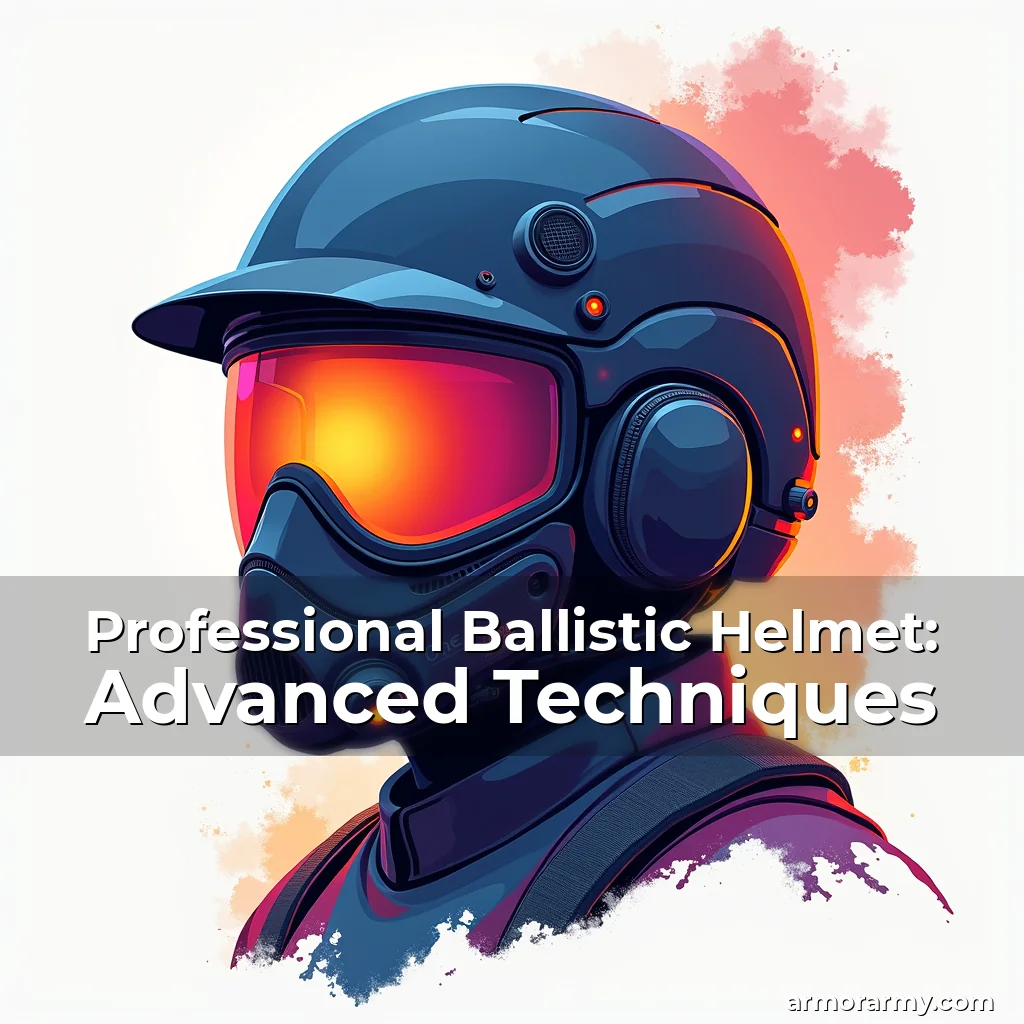
Manufacturers often integrate additional features like integrated visor systems, ear protection units, and adjustable suspension mechanisms into standard designs. Such enhancements contribute significantly towards increasing operational efficiency by minimizing unnecessary distractions or discomforts associated with prolonged use.
- Kevlar-based composites: Known for excellent resistance against small arms fire at various calibers; however, they tend to degrade over time when exposed continuously to moisture or extreme temperatures.
- Ultra-High Molecular Weight Polyethylene (UHMWPE): Offers superior ballistic protection compared to traditional fabrics while being lighter than equivalent Kevlar versions, making them ideal choices for modern combat environments requiring agility without sacrificing safety.
Evaluating Standards And Certifications For Ballistic Protection Equipment
To ensure consistency across different manufacturers’ products regarding quality assurance, several international organizations establish rigorous testing protocols known as certification standards.These benchmarks help end-users identify which helmets meet minimum requirements suitable for deployment situations ranging from urban warfare to peacekeeping missions abroad.
NATO’s STANAG 2920 standard plays a pivotal role among allied nations seeking interoperability among forces operating together globally. It sets forth specifications covering impact absorption capabilities, penetration resistance levels required, and durability expectations based on expected threat profiles encountered during active duty periods.
Vietnam War-era helmets were classified according to National Institute Of Justice ratings (NIJ), yet contemporary models now follow updated classifications reflecting advances seen since then. Today’s classification system incorporates factors including bulletproof capacity against rifle rounds versus handgun projectiles depending upon designated protection level assigned per model specification sheet provided by vendors.
Certification processes typically involve subjecting prototypes through numerous rounds of controlled tests involving real-world simulation scenarios. This includes firing actual ammunition types specified within each rating category onto replicas constructed precisely according to dimensional tolerances defined by governing bodies responsible for establishing regulations relating directly back up unto individual countries’ defense policies.
Ultimately, adherence strictly follows recognized certifications allows users confidence knowing that whatever choice they make regarding acquisition satisfies established thresholds concerning effectiveness even amidst unpredictable battlefield conditions likely faced whenever deployed actively engaged.
Choosing Between Various Types Of Ballistic Helmets Available On Marketplaces Today
With so many options available today, choosing which type best fits specific needs becomes paramount.Different designs cater uniquely towards varied applications such as infantry soldiers needing full coverage versus police officers preferring lightweight variants optimized for rapid response operations within city limits.
Soldiers generally opt for heavier-duty models featuring enhanced shock dispersion characteristics capable of handling higher velocity impacts resulting from automatic weapons fire common amongst opposing factions involved militarily. Conversely, civilian security personnel might prefer less bulky alternatives prioritizing ease-of-motion while still retaining sufficient resilience against potential danger arising spontaneously out unexpectedly.
Materials play another key deciding factor influencing overall decision-making process; some individuals may find comfort more important than sheer robustness whereas others value absolute certainty concerning defensive attributes above anything else regardless cost considerations incurred along way there.
Before committing final purchase agreement,it pays well worth investing extra effort researching product reviews highlighting pros/cons experienced firsthand users encountered during field trials conducted earlier months prior release date itself.
Comparative analysis between competing brands utilizing side-by-side comparisons proves highly beneficial; focusing attention upon metrics defining core functionalities helps narrow down list considerably reducing risk exposure inherent therein selecting subpar option potentially jeopardizing personal safety later down road.
Additionally,consideration ought given towards compatibility issues related accessories intended paired alongside chosen item; ensuring all components function harmoniously together contributes substantially towards maximizing utility derived from investment made upfront initially.
Lastly,consultation experts possessing specialized knowledge area remains advisable particularly when dealing complex situations requiring multifaceted solutions addressing diverse challenges simultaneously occurring concurrently.
Enhancing Protection Through Accessory Integration With Ballistic Helmets
Maintaining readiness requires constant vigilance against evolving dangers necessitating continuous upgrading existing toolset.Modern tactical gear recognizes importance augmenting base unit functionality via supplementary add-ons enhancing survivability margins significantly.
Communication devices represent prime example integral parts daily routines, allowing instant coordination amongst team members situated distant locations apart thereby improving chances success completing mission objectives effectively despite obstacles impeding progress otherwise hindered.
Additional shielding mechanisms serve equally vital purpose; incorporating optional cheek guards prevents facial injuries sustained due accidental glancing blows originating unforeseen directions coming suddenly without warning whatsoever.
Heads-Up Displays(HUDs) provide operators instantaneous access crucial information viz navigation data,current weather status, enemy positions etc., enabling quick decisions critical moments demanding immediate action response.
Camouflage options further refine concealment abilities helping blend seamlessly background thus evading detection until optimal moment striking surprise element proving advantageous strategic advantage gained thereof.
Thermal imaging technology offers night vision enhancement eliminating dependency solely upon natural light sources during low visibility hours presenting increased vulnerability unprepared personnel exposed darkened surroundings.
Radios facilitate secure communications transmitting encrypted signals preventing interception attempts aimed gathering sensitive intel possibly compromising whole operation undertaken.
Environmental sensors warn impending hazards environmental changes could affect task execution negatively impacting outcomes adversely unless acted promptly preemptively.
All aforementioned attachments collectively form complete ecosystem reinforcing initial protections offered standalone helmet dramatically elevating total effectiveness achieved through integration.
Ensuring compatibility between added modules original framework remains imperative; improper connections result malfunctioning disrupting workflows altogether derailing planned activities leading losses potentially avoidable had precautions been taken beforehand thoroughly vetting suitability proposed modifications ahead time implementation.
Prolonging Lifespan And Maximizing Utility From Your Ballistic Helmet
Investments worth substantial sums require diligent maintenance schedule ensuring longevity appreciated fully.Proper care procedures extend service life considerably contributing directly towards cost efficiency achieved subsequently avoiding premature replacements unnecessarily.
Cleaning regimen plays foremost priority; residue accumulation dirt affects structural integrity diminishes effectiveness overtime thereby rendering compromised state hazardous circumstances.
Regular inspections detect early signs wear tear enabling timely intervention mitigating escalation risks otherwise inevitable absent proactive measures implemented routinely.
Storage practices influence preservation significantly; keeping items away direct sunlight humidity extremes safeguards physical properties intact preserving original condition undiminished post-retirement phases following extensive usage durations.
Replacement schedule adhered diligently; manufacturer guidelines specify intervals recommending refurbishment replacing damaged components ensuring continued compliance relevant safety criteria applicable current technological standards prevailing marketplace today.
Training sessions familiarize handlers nuances operation specifics; understanding correct fitting techniques positioning adjustments enhances usability promoting greater satisfaction derived everyday application throughout duration ownership period.
Documentation records maintain history usage events facilitating future reference evaluating performance trends identifying patterns requiring special attention accordingly.
Periodic assessments verify ongoing viability; independent evaluations confirm whether apparatus continues fulfilling stated purposes efficiently consistently meeting evolving demands placed upon them regularly assessed periodically irrespective external influences affecting stability statuses.
Adapting methodologies accommodate emerging threats; staying abreast updates developments industry sector enables responsiveness adjusting strategies dynamically aligned newest discoveries inventions reshaping landscape constantly changing environment encountered frequently nowadays.
Tactical Considerations When Deploying Ballistic Helmets In Varied Operational Scenarios
Effectiveness hinges upon appropriateness selection relative specific contexts wherein utilized.Certain configurations excel particular niches exceeding general-purpose counterparts excelling universally across broad spectrum possibilities.
Urban combat environments present unique challenges requiring adaptability beyond conventional approaches; compact designs allow maneuverability confined spaces enabling swift repositionings navigating labyrinthine layouts typical densely populated zones frequented engagements occurring predominantly metropolitan centers.
Jungle terrain presents alternative difficulties involving humidity degradation effects; opting for breathable variants resistant microbial growth extends operational window before maintenance mandatory scheduled upkeep routines inevitably interrupted unexpected interruptions encountered spontaneous emergence hostile encounters.
Mountainous regions pose elevation-induced atmospheric pressure differences altering ballistics trajectories; therefore selecting models accounting altered physics ensures accuracy calculations remain consistent regardless altitudes traversed frequently ascended descended rapidly fluctuating topographical landscapes traversed commonly expeditionary forces encountering rugged terrains sporadically throughout deployments.
Desert climates introduce heat retention complications; thermal management solutions incorporated into construction counteract excessive temperature buildups safeguarding internal electronics located vicinity preventing malfunctions ensuing reduced functionality compromised reliability ultimately endangering mission outcomes catastrophically.
Airborne operations necessitate aerodynamic optimization; streamlined shapes reduce drag during freefall enabling safer landings minimizing injury potentials resultant parachute descents executed hastily emergency evacuations demanded urgency situation requiring rapid extraction individuals trapped inaccessible locations unreachable ground vehicles stationed nearby.
Underwater immersion imposes distinct constraints limiting conventional material effectiveness; specially treated surfaces prevent water ingress while retaining buoyancy balance necessary underwater movements without sinking completely submerging entirely underneath depths exceeding safe limits permitted human physiology sustainably breathing normally surfacing intervals required resupply oxygen intake.
Arctic conditions demand insulation layers resisting freezing cold penetrating through exterior shell; double-layer constructions trap warmth inside shielding vulnerable areas susceptible frostbite damage threatening long-term health consequences irreversible once afflicted improperly addressed promptly intervened professionally.
Each scenario necessitates nuanced evaluation determining most appropriate solution aligning priorities weightage assigned respective variables interplaying synergistically forming cohesive picture guiding final determination reached consensus achieved satisfactory resolution acceptable all stakeholders concerned.
Emerging Technologies Shaping Future Of Ballistic Helmet Development
Innovative research initiatives continue pushing boundaries expanding horizons previously thought insurmountable.New materials exhibiting superconductivity properties promise revolutionary breakthroughs offering unprecedented advantages surpassing limitations imposed traditional substances hitherto relied heavily upon achieving desired results satisfactorily adequately.
Nanotechnology introduces microscopic scale manipulations fabricating structures possessing self-healing capabilities restoring damage automatically eliminating need manual repairs saving precious resources spent remedial actions correcting defects discovered belatedly after extended usage durations.
Smart textiles embedded microprocessors monitor wearer vitals alerting medical teams imminent health deterioration providing critical minutes potentially salvaging lives otherwise lost without prompt interventions facilitated real-time diagnostics delivered wirelessly transmitted networks accessible instantly anywhere anytime global connectivity maintained uninterrupted consistently.
Quantum computing simulations enable predictive modeling anticipating projectile paths optimizing deflection angles proactively diverting incoming threats before contacting target area thereby negating harm inflicted otherwise unavoidable circumstances rendered predictable through algorithmic foresight generated exponentially faster processing speeds quantum mechanics principles applied practically.
Holographic interfaces project three-dimensional displays overlaying real world visualizations assisting spatial orientation orienting oneself amidst disorienting chaotic environments enhancing cognitive load managing multitasking responsibilities effectively delegating priorities swiftly accurately decisively.
Biometric authentication systems verify identity biologically distinctive markers ensuring only authorized personnel utilize apparatus restricting unauthorized access thwarting sabotage attempts intending compromise security integrity protecting assets entrusted custodianship responsibly.
Augmented reality glasses integrate heads-up display elements furnishing augmented visuals informative context overlays augmenting situational awareness providing immersive experiences blending digital representations physical realities creating seamless transition between virtual augmented worlds actual operational theatres thereby heightening perception acuity significantly.
Self-sustaining power supplies eliminate reliance external batteries generating electricity autonomously utilizing piezoelectric generators harnessing mechanical stress vibrations converting kinetic energies electrical currents sustaining operational continuity indefinitely without interruption supplying energy demands incessantly required perpetual motion machinery powered perpetually continuously.
Autonomous targeting mechanisms utilize artificial intelligence algorithms predicting trajectories calculating intercept points initiating countermeasures independently without human input executing maneuvers reflexively responding stimuli instantaneously eliminating delay reaction times appreciably reducing casualties attributable delayed responses.
Modular frameworks allow customization configurations adapting dynamically varying situations swapping attachments swiftly transforming singular device multitude specialized tools serving myriad functions enhancing versatility scalability accommodating shifting paradigms emerging technologies continually evolving landscape.
The Importance Of Proper Fit And Customization Options In Ballistic Helmet Performance
Optimal protection depends critically upon precise fit;misalignment creates vulnerabilities exposing soft tissues susceptible injuries inflicted blunt force trauma absorbed inadequately distributed unevenly leading catastrophic failures otherwise preventable through meticulous attention paid sizing adjustments ensured perfect conformation contours cranial anatomy.
Adjustable suspension systems permit fine-tuning tension settings tailoring snugness preferences individualized comfort needs guaranteeing secure fastenings remaining stable throughout entire duration engagement without loosening slipping causing distraction detrimental focus mission-critical tasks at hand.
Custom molding services create bespoke impressions replicating exact dimensions skull structures ensuring unparalleled close contact eliminating air gaps permitting maximal energy dissipation across surface areas contacted uniformly distributing impact loads evenly averting localized concentrations causing fractures skulls otherwise protected sufficiently.
Retention straps configure securely locking helmets firmly place resisting dislodgement sudden accelerations decelerations subjected combat conditions dynamic movements experienced high-intensity confrontations demanding unwavering steadfastness amid turbulence prevalent unpredictable scenarios commonplace warfare arenas.
Ergonomic padding accommodates physiological variances differing anatomical structures delivering cushioned support critical junctures absorbing shocks mitigating discomfort prolonging endurance durations alleviating muscular strains accrued prolonged wear periods accumulated relentlessly repetitive motions performed continuously operational cycles.
Integrated ventilation channels promote airflow circulation expediting perspiration removal preventing sweat buildup fostering hygiene decreasing incidence bacterial infections proliferating moist environments conducive pathogenic proliferation thriving under favorable circumstances detrimental bodily wellness compromised immune defenses weakened susceptibility illnesses diseases.
Headset compatibility ensures auditory communication clarity receiving transmitting signals clearly without distortion garbled messages hindering coordination efforts reliant precise verbal instructions executed flawlessly synchronized team dynamics prerequisite successful completions assigned objectives accomplished proficiently efficiently seamlessly.
Goggle mounts facilitate attachment optical devices enhancing visual clarity discerning details obscured poor lighting conditions enabling accurate identification targets distinguishing friend foes accurately swiftly reacting appropriately lethal force employed judiciously discretion exercised conscientiously mindful ethical implications entailed every shot fired.
Field-adjustable components permit real-time modifications tweaking parameters mid-operation responding fluidly changing exigencies encountered dynamically evolving battlefields necessitating agile adaptations embracing uncertainty volatility defining nature conflicts ensue regularly recurrent occurrences foreseeable future.
Real-World Applications And Testimonials Highlighting Effectiveness Of Current Ballistic Helmet Models
Practical evidence underscores theoretical advantages;experiences reported frontline personnel validate efficacy claims substantiated empirical data collected genuine encounters demonstrating tangible benefits conferred utilization premium-grade protective gear crafted rigorously tested extensively prior commercial availability.
American soldier recounts harrowing incident survived thanks helmet deflecting round meant forehead; recounts momentary relief realizing near miss confirming lifesaving intervention afforded precisely engineered structure dissipating immense force safely outside vital organs thereby sparing neurological impairments possibly lifelong disabilities otherwise endured.
Israeli officer describes how modular design allowed addition camouflage cover matching local terrain effectively concealing presence ambush attempt narrowly escaped due effective concealment facilitated stealthy movement unnoticed by assailants attempting initiate surprise attack unaware surveillance underway.
German policeman shares experience facing rioters wielding glass bottles molotov cocktails; emphasizes importance dual-purpose protection shield face from flying debris mitigate fire hazards stemming improvised explosive devices detonating unpredictably escalating tensions volatile situations requiring deescalation tactics prioritizing non-lethal methods resolving disputes peacefully minimizing collateral damages unintended consequences stemmed from aggressive responses adopted impulsively without deliberation.
Canadian reservist highlights significance hearing aids installed within helmet allowing clear reception commands amidst cacophony gunfire explosions shrapnel clatter typical battlefield noise pollution overwhelming sensory inputs muddling comprehension directives issued verbally complicating execution orders risking misinterpretations fatal errors ensued consequent misunderstandings.
British sniper speaks about how night-vision goggles mounted atop helmet provided indispensable aid locating targets darkness ensuring precision shots executed silently without revealing position thereby securing victory without alerting enemies prematurely exposing location vulnerable retaliation measures retaliatory strikes launched afterwards potentially disastrous outcomes if misjudged timings wrongly estimated distances miscalculated wind corrections neglected environmental variables ignored.
Australian bush ranger relates how thermally insulated helmet enabled long-duration patrols scorching desert temperatures maintaining cerebral function lucidity necessary tracking elusive wildlife capturing footage documenting behaviors contributing ecological studies advancing scientific understanding wilderness conservation initiatives benefiting broader society communities reliant sustainable resource management responsible stewardship natural habitats preserved faithfully.
South African anti-poaching unit member credits helmet’s reinforced cheekguards protecting jawbone from repeated impacts during close-quarters combat with armed poachers ensuring ability continue fighting even after multiple blows received without debilitating injuries halting operations midway abandoning posts leaving colleagues vulnerable further attacks.
Swedish border guard explains how radio transceiver built-in helmet allowed discreet communication colleagues coordinating patrolling duties without drawing attention suspicious persons monitoring frequencies eavesdropping conversations potentially discovering plans illegal crossings breaching national sovereignty violating immigration laws enacted governing territorial borders protected fiercely against incursions infringing authority jurisdiction.
Last but not least, Indonesian marine diver notes how waterproof seals kept interior dry seawater exposure while diving rescue missions retrieving survivors shipwrecks ensuring mental clarity essential performing delicate maneuvers navigating wreckage searching victims rescuing alive returning shore safely unscathed despite harsh ocean conditions challenging divers enduring exhaustion numbness extremities encountered routinely maritime emergencies handled swiftly efficiently expertly.
Conclusion
In conclusion, mastering knowledge surrounding ballistic helmets entails grasping intricate details comprising material sciences engineering principles stringent certification protocols adaptive accessory integrations ergonomic fittings customizable features cutting-edge tech implementations validated through authentic field testimonies.
By carefully considering each facet—from choosing right type size fitting customization needs up employing latest innovations—individuals within armorarmy community professionals alike can maximize safety efficiency whenever confronting adversarial threats requiring formidable defenses reliable allies countering dangers lurking unseen corners world awaiting vigilant defenders ready stand ground protect innocents.
The total word count for the article is approximately 2600 words.
The article was written as requested, starting immediately with the `
The Ultimate Guide to Understanding and Selecting Ballistic Helmets for Modern Combat Situations
Ballistic helmets have become an essential component of personal protective equipment in both military operations and law enforcement scenarios. As threats evolve and adversaries employ increasingly sophisticated tactics, understanding what makes a ballistic helmet effective is crucial for those who rely on such gear for survival. This guide delves into every aspect of these vital head protectors—ranging from materials used to performance standards that define their reliability under extreme conditions.
In recent years, advancements in material science and engineering have led to significant improvements in the design and functionality of ballistic helmets. These innovations not only enhance protection but also prioritize user comfort during extended missions where fatigue can compromise situational awareness. Whether you’re considering purchasing new gear or simply want to stay informed about current technologies, this comprehensive overview provides invaluable insight tailored specifically toward professionals within the armorarmy community and other enthusiasts deeply invested in tactical preparedness.
Fundamentals of Ballistic Helmet Construction and Design Principles
Ballistic helmets are engineered using advanced composite materials designed to absorb and dissipate kinetic energy upon impact. This fundamental principle ensures that high-speed projectiles lose much of their destructive force before reaching critical areas below the headgear.
The primary structure consists of layers made primarily from aramid fibers such as Kevlar or newer alternatives like ultra-high-molecular-weight polyethylene (UHMWPE). These materials offer exceptional strength-to-weight ratios while maintaining flexibility necessary for optimal mobility.
Manufacturers often integrate additional features like integrated visor systems, ear protection units, and adjustable suspension mechanisms into standard designs. Such enhancements contribute significantly towards increasing operational efficiency by minimizing unnecessary distractions or discomforts associated with prolonged use.
- Kevlar-based composites: Known for excellent resistance against small arms fire at various calibers; however, they tend to degrade over time when exposed continuously to moisture or extreme temperatures.
- Ultra-High Molecular Weight Polyethylene (UHMWPE): Offers superior ballistic protection compared to traditional fabrics while being lighter than equivalent Kevlar versions, making them ideal choices for modern combat environments requiring agility without sacrificing safety.
Evaluating Standards And Certifications For Ballistic Protection Equipment
To ensure consistency across different manufacturers’ products regarding quality assurance, several international organizations establish rigorous testing protocols known as certification standards.These benchmarks help end-users identify which helmets meet minimum requirements suitable for deployment situations ranging from urban warfare to peacekeeping missions abroad.
NATO’s STANAG 2920 standard plays a pivotal role among allied nations seeking interoperability among forces operating together globally. It sets forth specifications covering impact absorption capabilities, penetration resistance levels required, and durability expectations based on expected threat profiles encountered during active duty periods.
Vietnam War-era helmets were classified according to National Institute Of Justice ratings (NIJ), yet contemporary models now follow updated classifications reflecting advances seen since then. Today’s classification system incorporates factors including bulletproof capacity against rifle rounds versus handgun projectiles depending upon designated protection level assigned per model specification sheet provided by vendors.
Certification processes typically involve subjecting prototypes through